Real deliverables in 15–30 minutes.
Pick a card. Fill in your details. Paste into Claude. The agent runs the workflow with cost preview, quality gates, and a final critic verdict — you approve at each turn.
Pick a playbook
Dozens of workflows. Filter by what you need to make.
Fill the form
4–8 plain-English fields. Takes a minute.
Paste in Claude
One click copies the playbook with your details baked in.
Approve gates
Cost up-front, plan preview before spend, critic on the result.
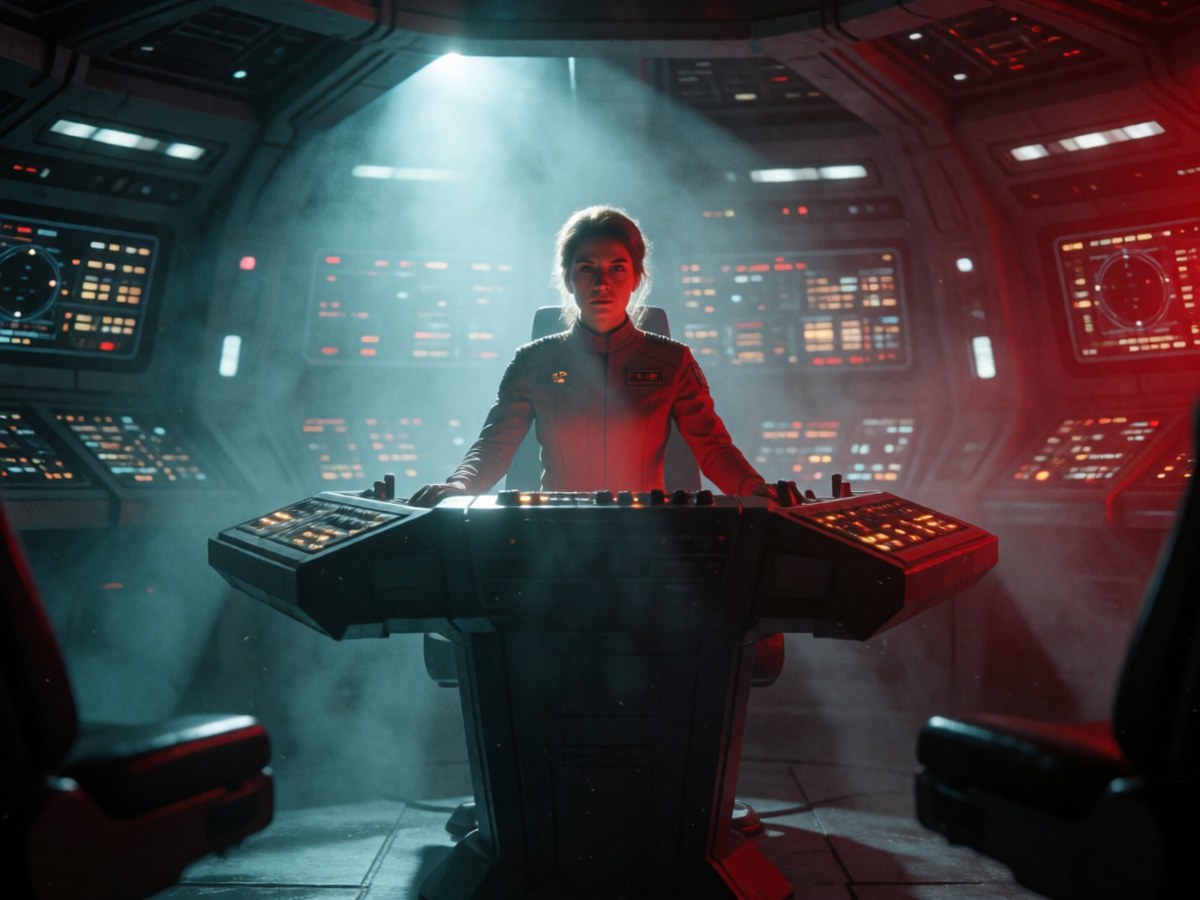
One Prompt, a Whole Scene — a script becomes a produced audio drama
Write one script — characters, lines, emotional direction, ambience, music — and Seed Audio returns a fully-produced, multi-voice scene in a single pass: every voice distinct, the SFX placed, an original score under it, all mixed. The thing that used to need 3 voice actors + a foley artist + a composer + a mixing engineer — from one text box. Then krea-2-os illustrates it and ffmpeg cuts a motion-comic.
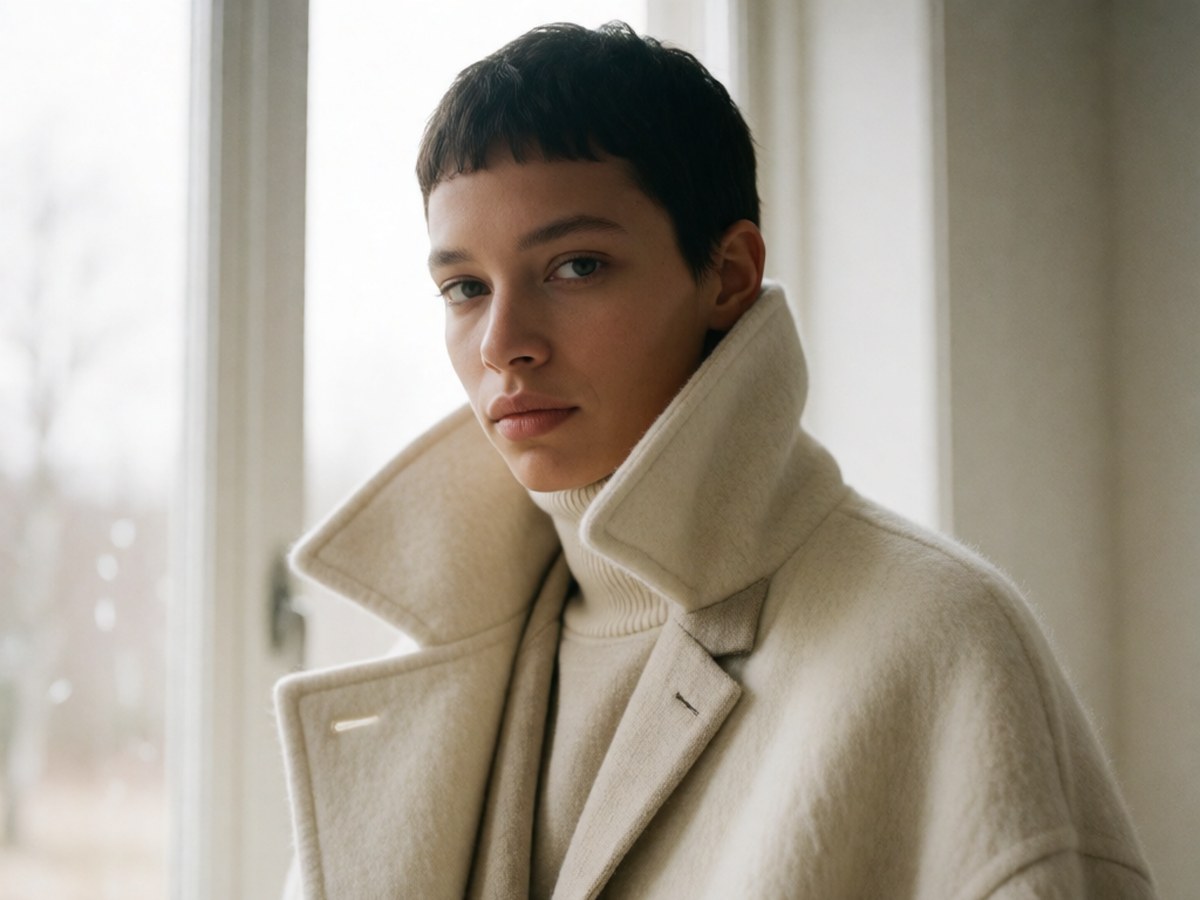
Train Your Brand Aesthetic — lock your look, ship the campaign
Krea 2 is the most aesthetic open-source image model — and the first open base you can train. Write one aesthetic sentence → krea-2-os renders a cohesive 8-shot on-brand campaign (~3s/shot). Then bg-remove a packshot, animate a teaser with kling-v3-turbo-i2v, and stitch a reel with ffmpeg. Lock the look permanently into a krea-2 LoRA so every future shot is on-brand by construction. Fashion-led; the same recipe ships real-estate, travel & education.

Talking Character, Any Language — one drawing speaks them all
Draw a character once, then make it speak — in any language you choose, as many lines as you want. Built on sync-lipsync-v3 (Sync Labs sync-3), the one cap that lip-syncs a non-photoreal still (illustration / cartoon / mascot / animated frame). gpt-image makes the face once → gemini-text translates your line per language → gemini-tts (or a cloned chatterbox-tts voice) speaks it → sync-lipsync-v3 matches the mouth. Same still, N languages, no re-drawing.
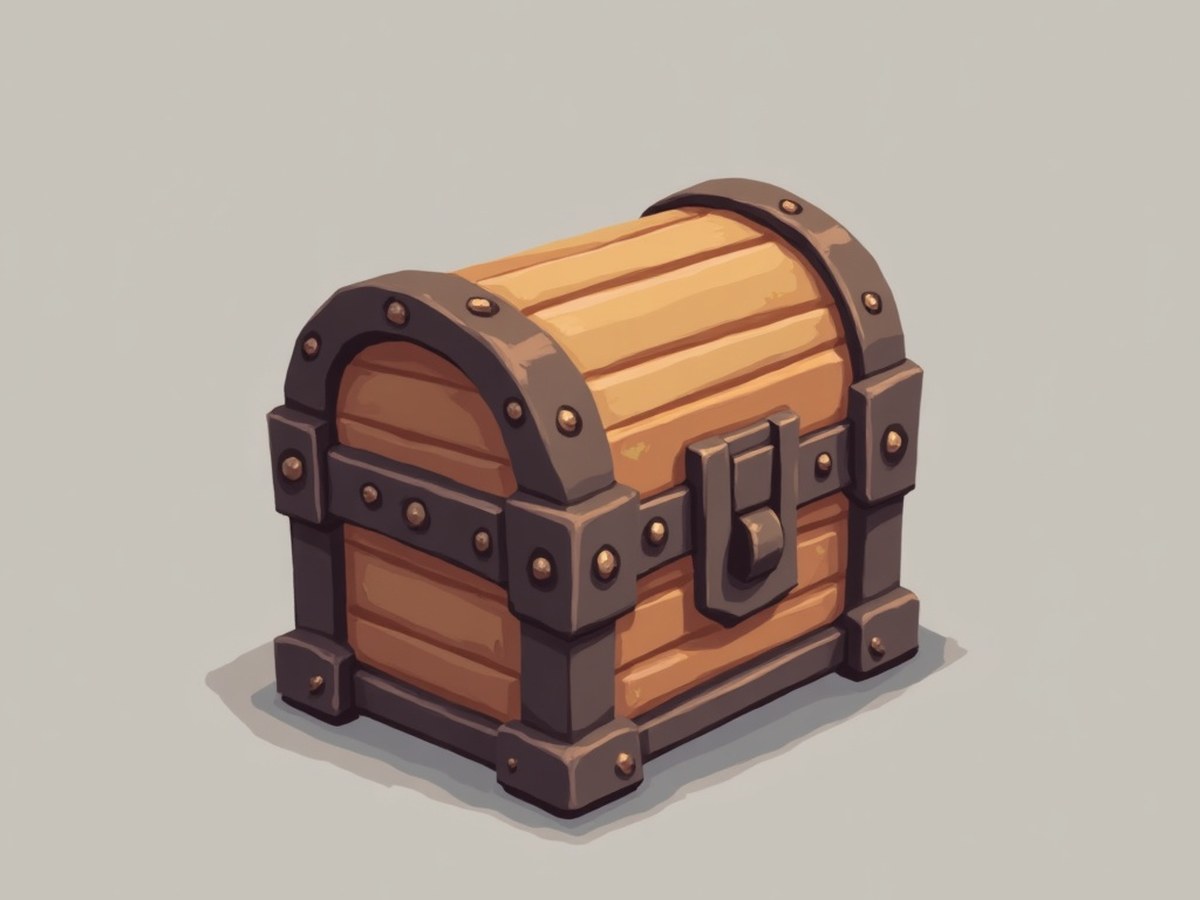
Concept → Game Asset — a described prop becomes a game-ready mesh in your engine
Describe a prop → a game-ready GLB (decimated to a tri budget, clean UVs) handed to your engine via a public manifest a community Godot bridge imports. One conversation, no tool-switching, lineage kept. Rendered live: flux-dev → tripo-i3d → blender-headless decimate 1.49M→5k tris → handoff.
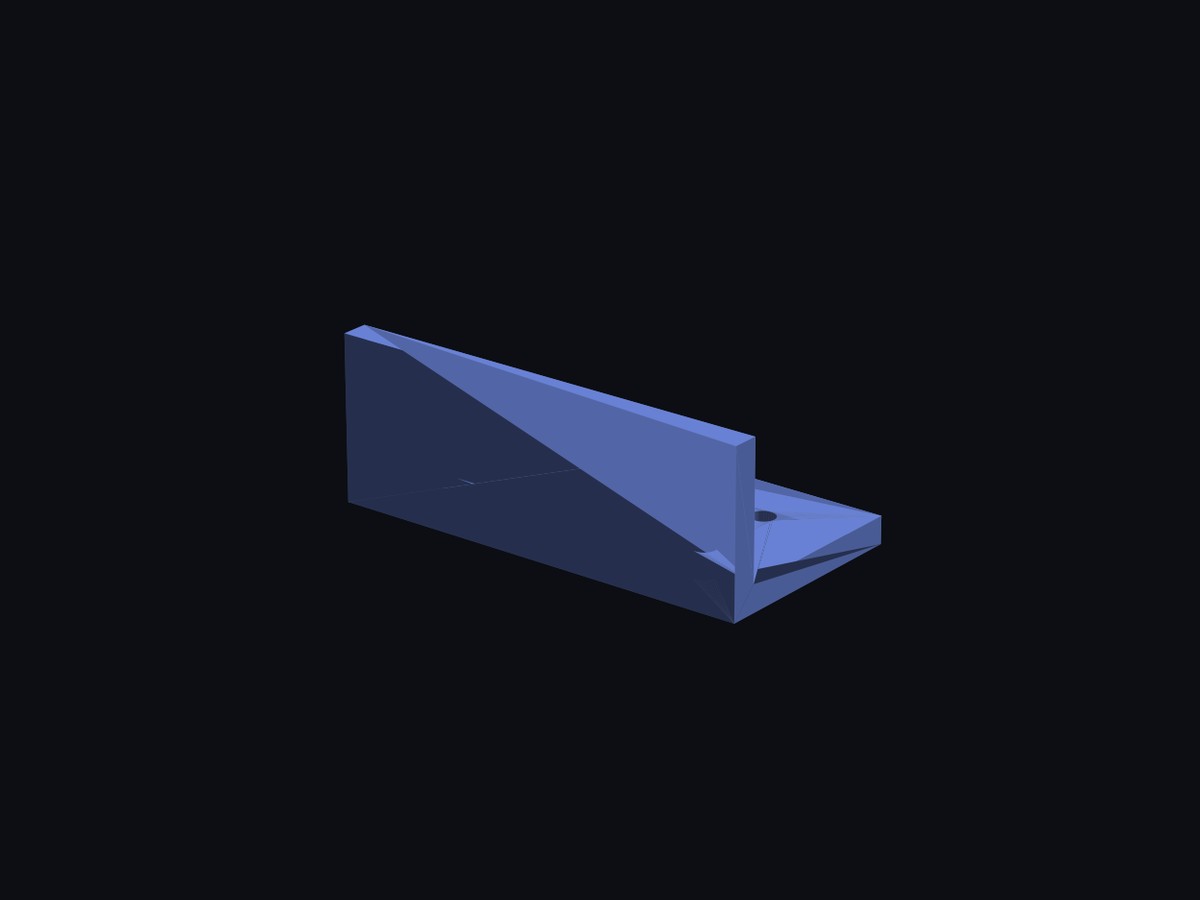
Idea → Printable Part — a described part becomes a slicer-ready STL
Describe a part → a manifold, slicer-ready STL that passes a real printability gate (watertight / bed-fit / min-wall) + a preview GLB. Rendered live: cad-render bracket (80×40×30 mm, printable ✓) → format-convert STL→GLB. STEP is the FreeCAD fast-follow.
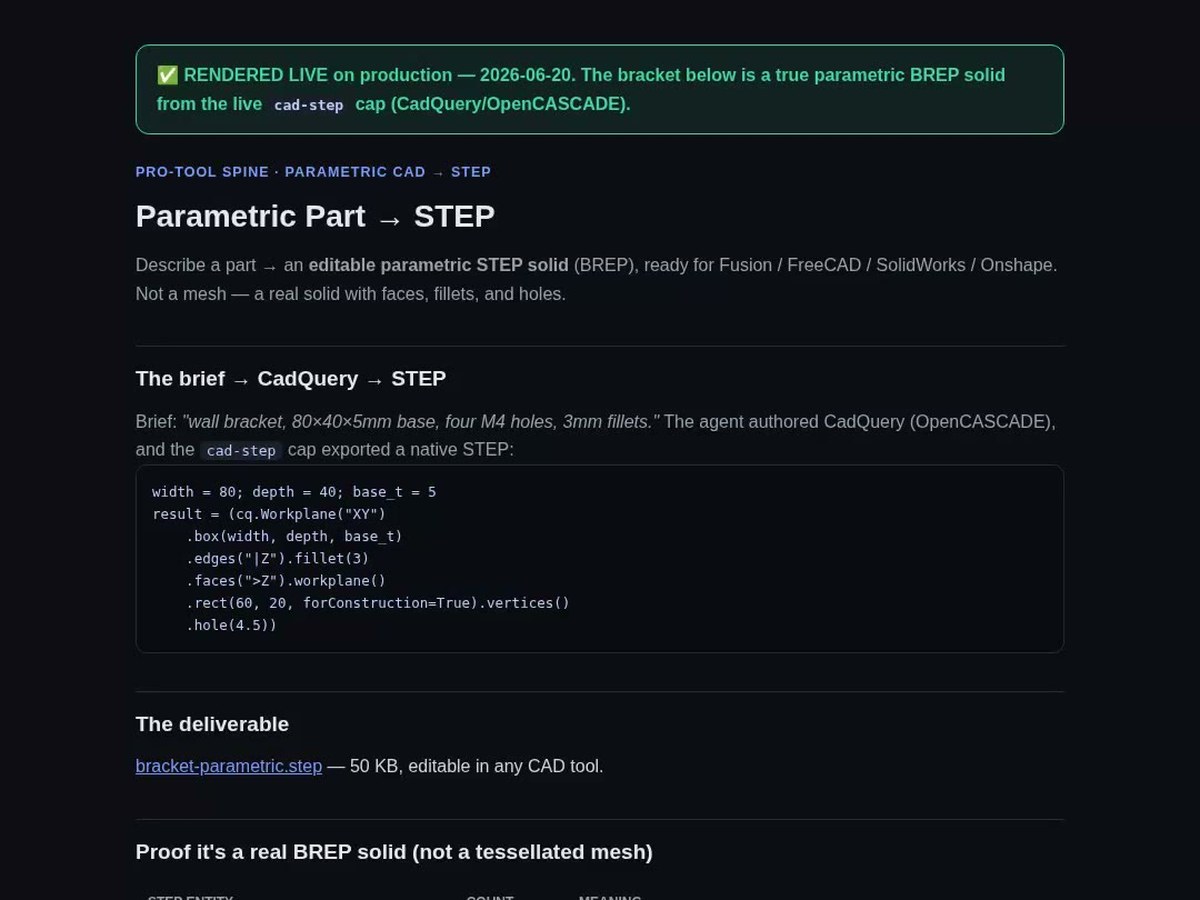
Parametric Part → STEP — an editable BREP solid for any CAD tool
Describe a part → a true parametric STEP solid (BREP), editable in Fusion / FreeCAD / SolidWorks — not a mesh. Powered by CadQuery (the OpenCASCADE kernel FreeCAD uses). Rendered live: a wall bracket with 14 ADVANCED_FACE, MANIFOLD_SOLID_BREP, watertight — zero triangulation.
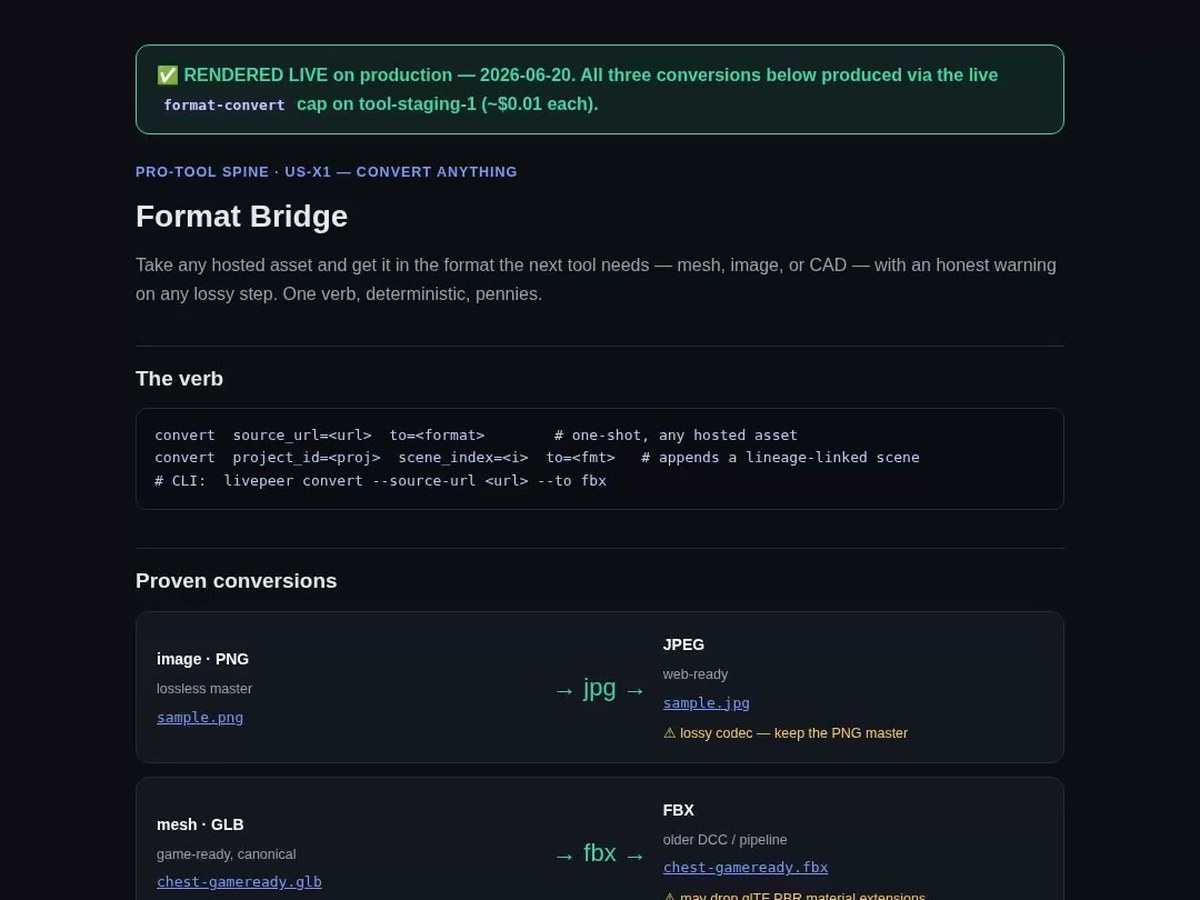
Format Bridge — convert any asset to the format your tool needs
Take any hosted asset → the format the next tool needs (mesh glb/fbx/obj/usdz, image png/exr/jpg/webp/tiff, cad stl/glb/3mf), with an honest lossy warning on any lossy step. One verb, deterministic, ~$0.01. Three conversions rendered live: png→jpg, glb→fbx, stl→glb.
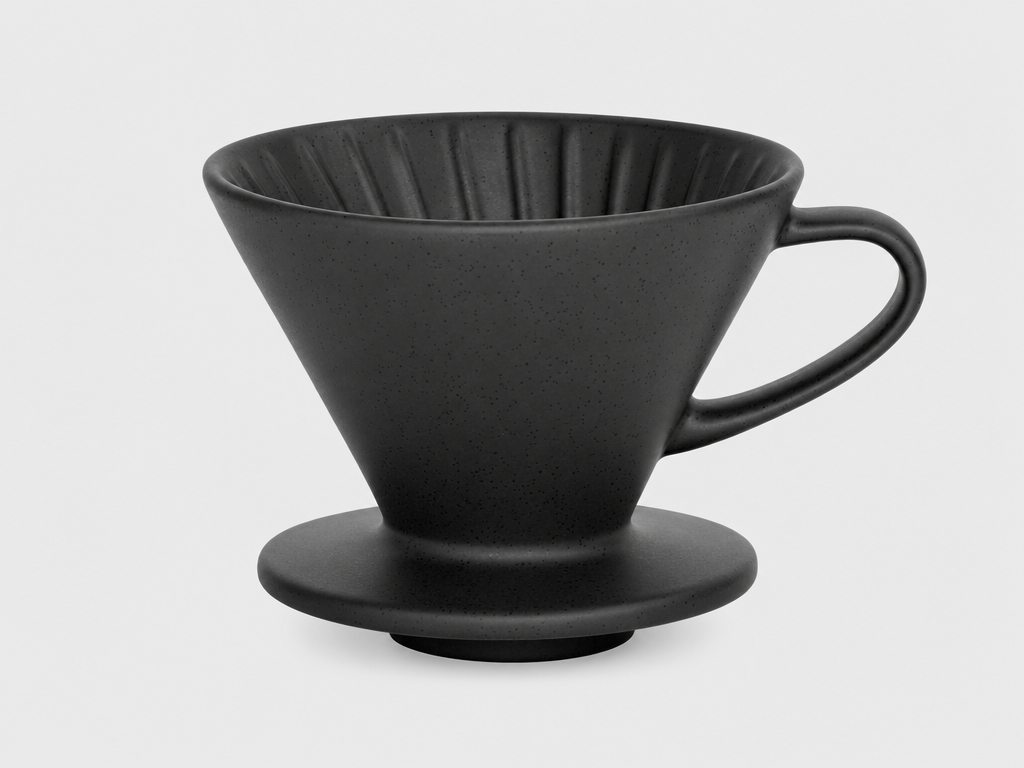
Product Photo → Hero 3D — PBR + HD, production-ready
One flat product shot becomes a rotatable, production-grade 3D model for a store page, AR, or a game. bg-remove isolates the subject → rodin-i3d (Hyper3D Rodin v2.5) builds the mesh with real PBR materials + HD textures (50K→2M triangles) → a seedance-i2v turntable reveal → ffmpeg-export + brand mark + music. Rodin is the tier above tripo: the mesh is the deliverable, not a preview.
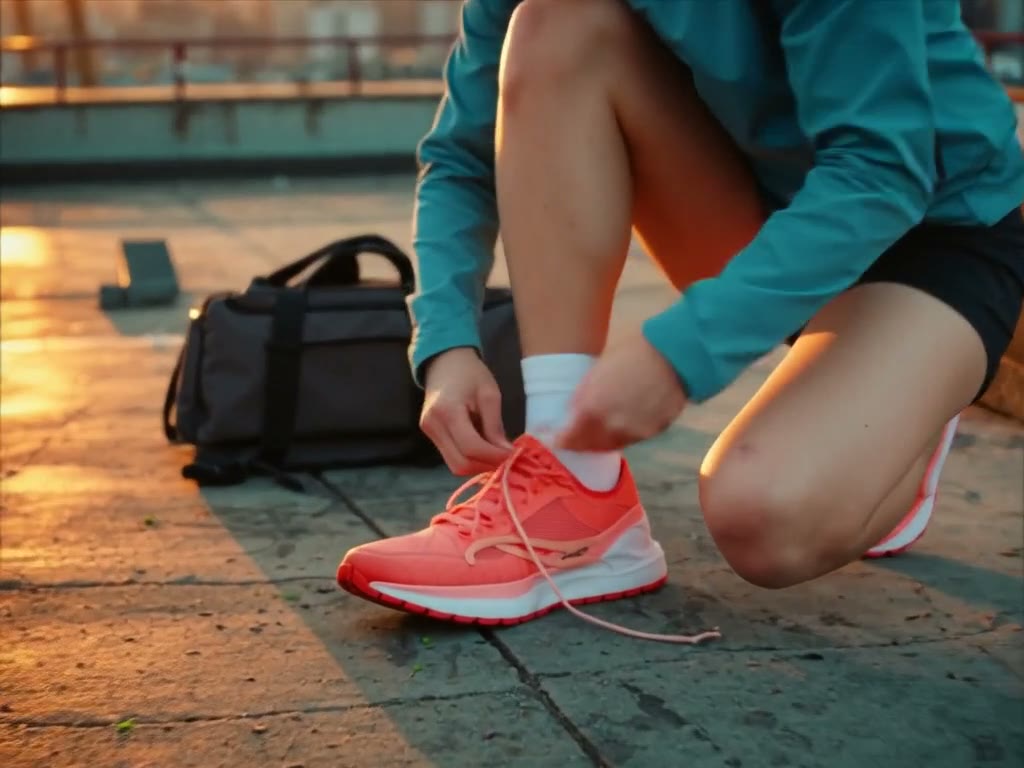
Reference Sheet → Creative Ad — your ingredients, one scene
Lay your character, product, and props onto one reference sheet, then ltx-q-ingredient (LTX 2.3 Ingredient) generates a video scene that composites them together, on-model. Build the sheet (gpt-image / pillow-grid) → ltx-q-ingredient with a scene prompt → score it (sonilo-v2m / music) → ffmpeg-export. For creative ads + character workflows where the identity of what's in the shot matters — not generic text-to-video.
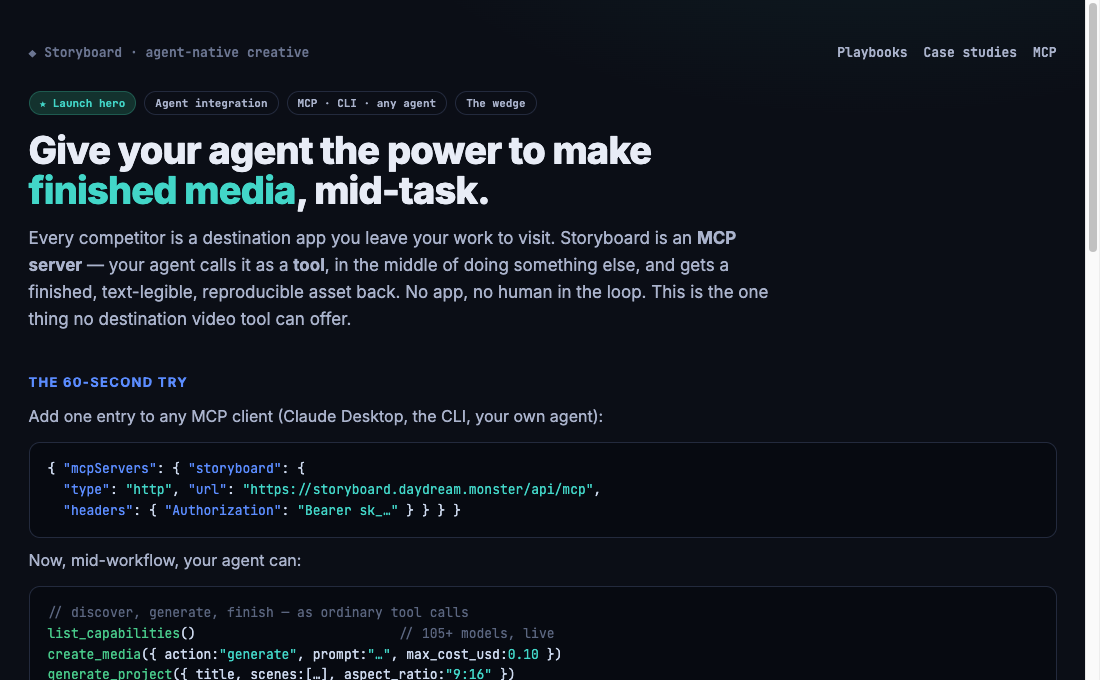
Media-as-a-Tool — finished media inside your agent
The one thing no destination app can offer. Storyboard is an MCP server — any AI agent (Claude, CLI, your own) calls create_media / generate_project / finishing tools as ordinary tool calls, mid-workflow, and gets a finished, text-legible, reproducible asset back. Metered + capped + idempotent. Add it in one line.
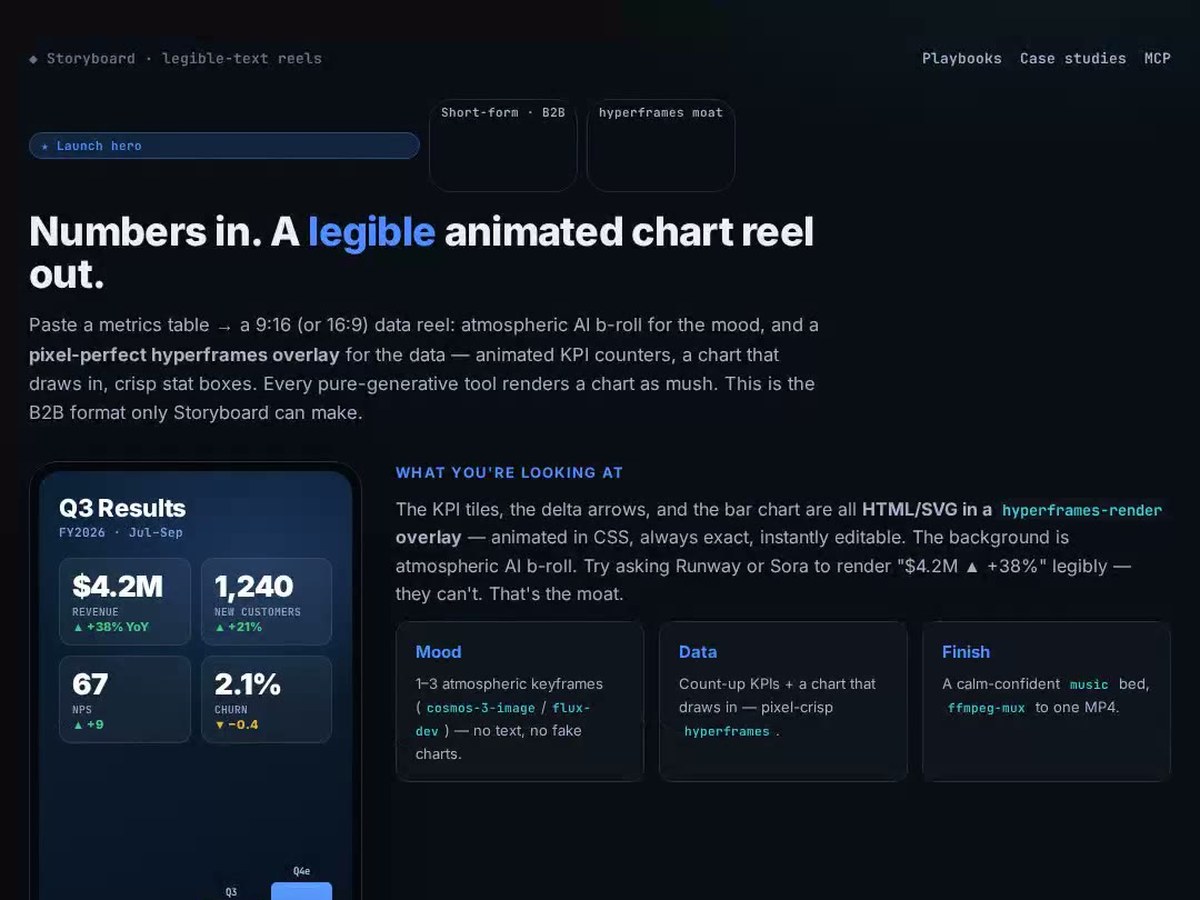
Data → Infographic Video — the legible-text reel
Numbers in, a legible animated chart reel out. Atmospheric AI b-roll for mood, a pixel-perfect hyperframes overlay for the data — animated KPI counters, a chart that draws in, crisp stat boxes. The B2B format pure-generative tools physically can't make. cosmos-3-image b-roll → hyperframes-render → music → mux.
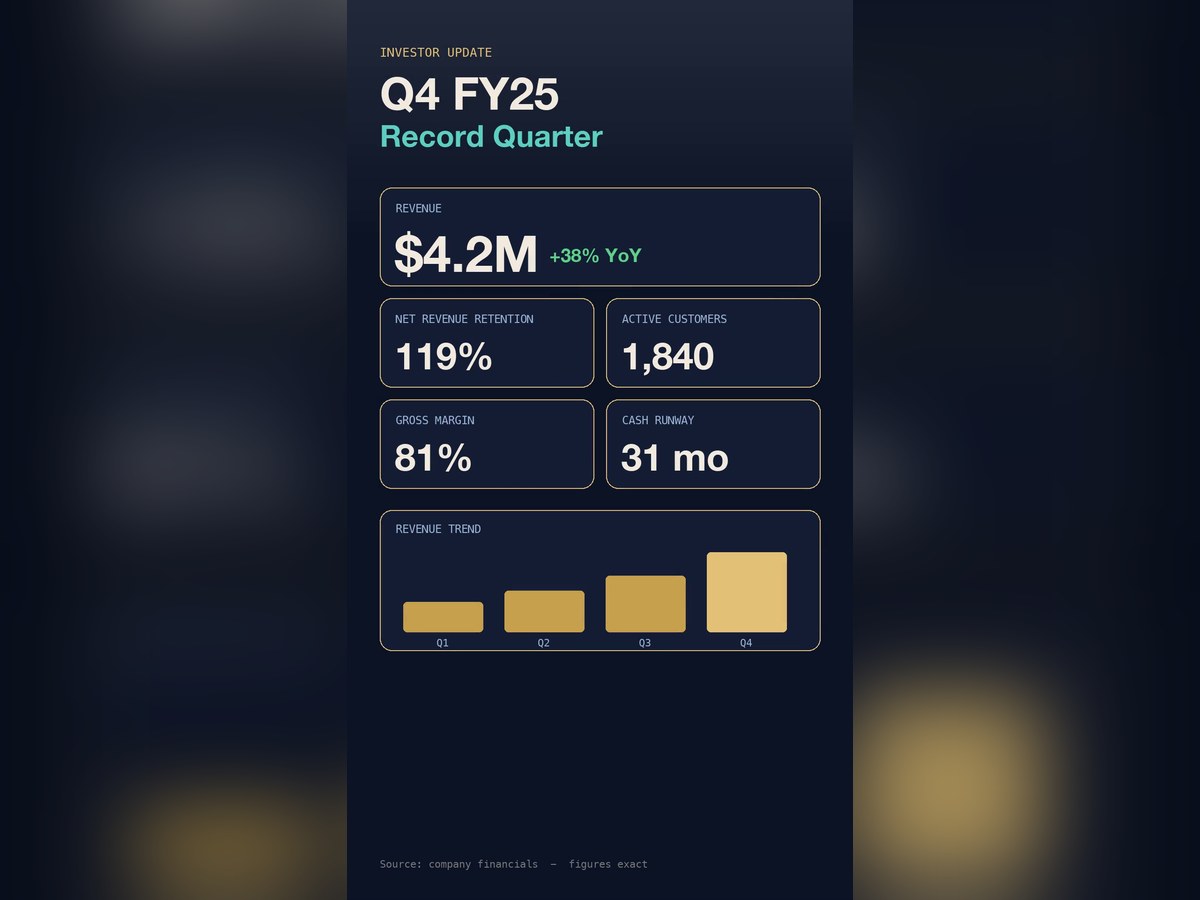
Insight Reel — data that explains itself, exact numbers
Drop in your figures → a premium reel where KPIs animate, a chart draws in, and a licensed bed plays — with every number guaranteed correct. Honest finding: SenseNova U1 nails the design but gets numbers wrong, so design (AI) and figures (deterministic) are split. The B2B format generative tools can't make. + Sonilo licensed audio.
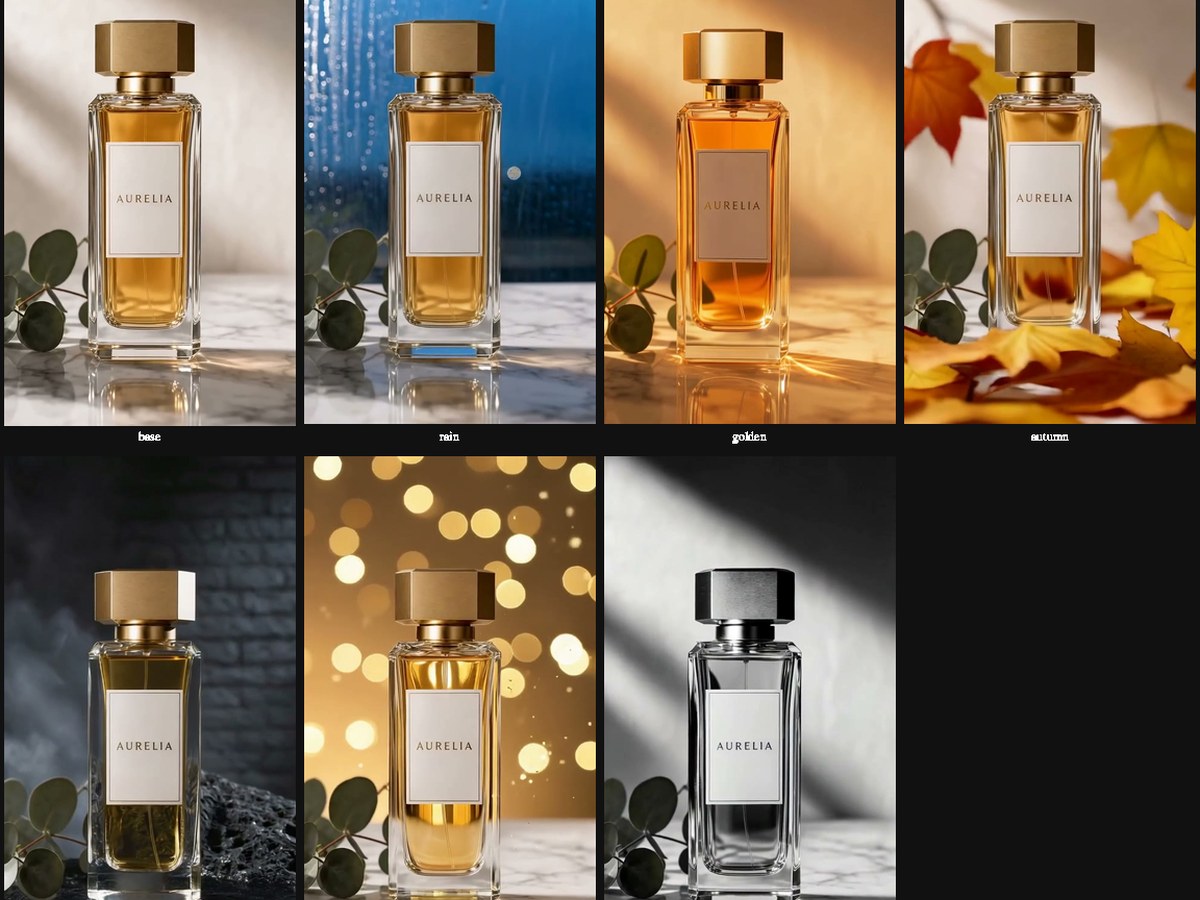
Director's Edit Pass — infinite on-brand variants from one shot
Shoot ONE product hero, then instruction-edit it into a whole matrix of worlds — rain, golden hour, autumn, black stone, festive, B&W — with the product, label, and composition identical across all of them. Twenty variants for the cost of twenty edits, not twenty shoots. Powered by Bernini-R scene-preserving video editing.
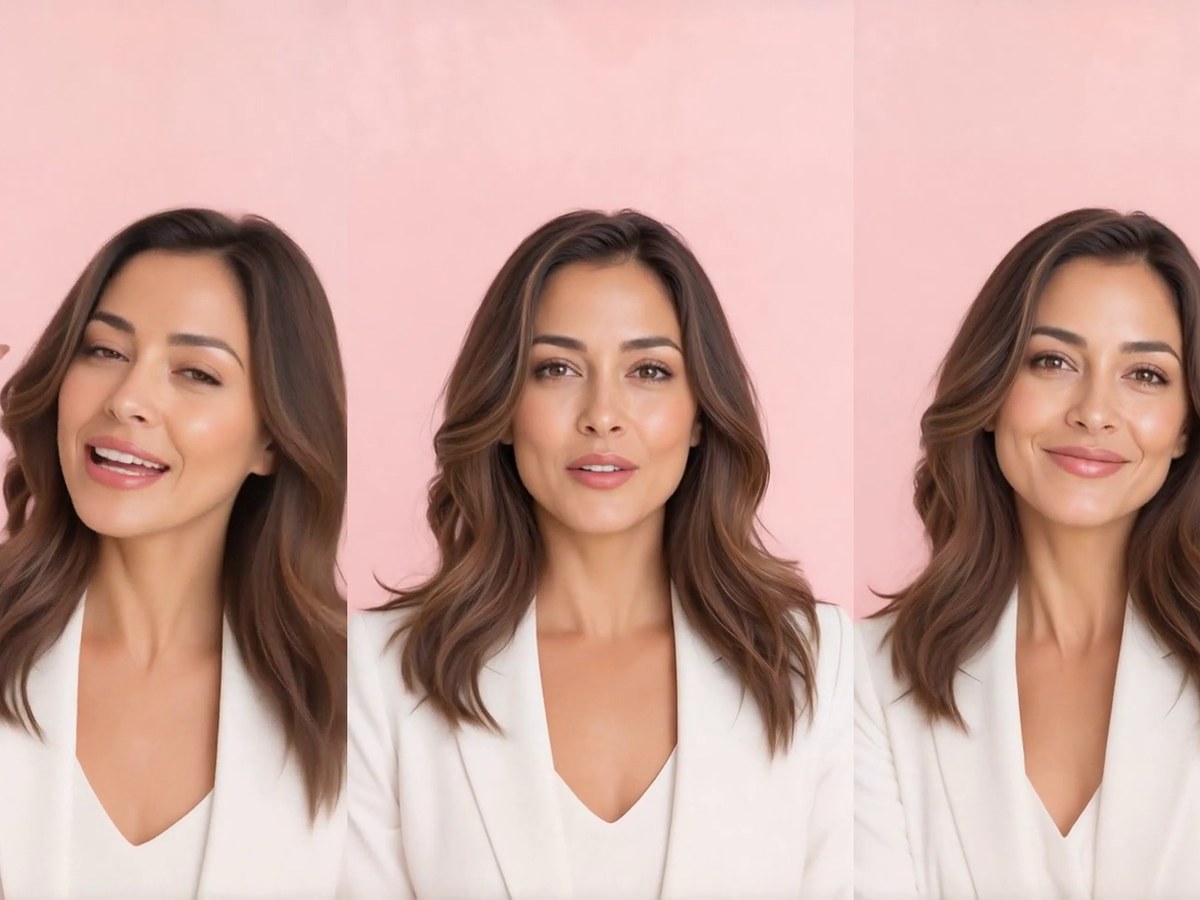
Brand Localization Studio — one ad → every market
Hand it a master spot + target markets. It transcribes (nemotron-asr), translates, re-voices each language with lip-sync to the same talent, and scores it with licensed music — delivering a localized ad set. The whole loop (today: five vendors and a week) as one flow.

Cinematic HDR Hero Film — the "it looks expensive" tier
One product still → a cinematic hero film with deliberate camera motion — dolly, light sweep, reveal — and HDR depth. Luma Ray 3.2 grades a flat photo into footage that looks like a real commercial, scored with a licensed Sonilo bed.
Green-Screen-Free Studio — any clip → any set
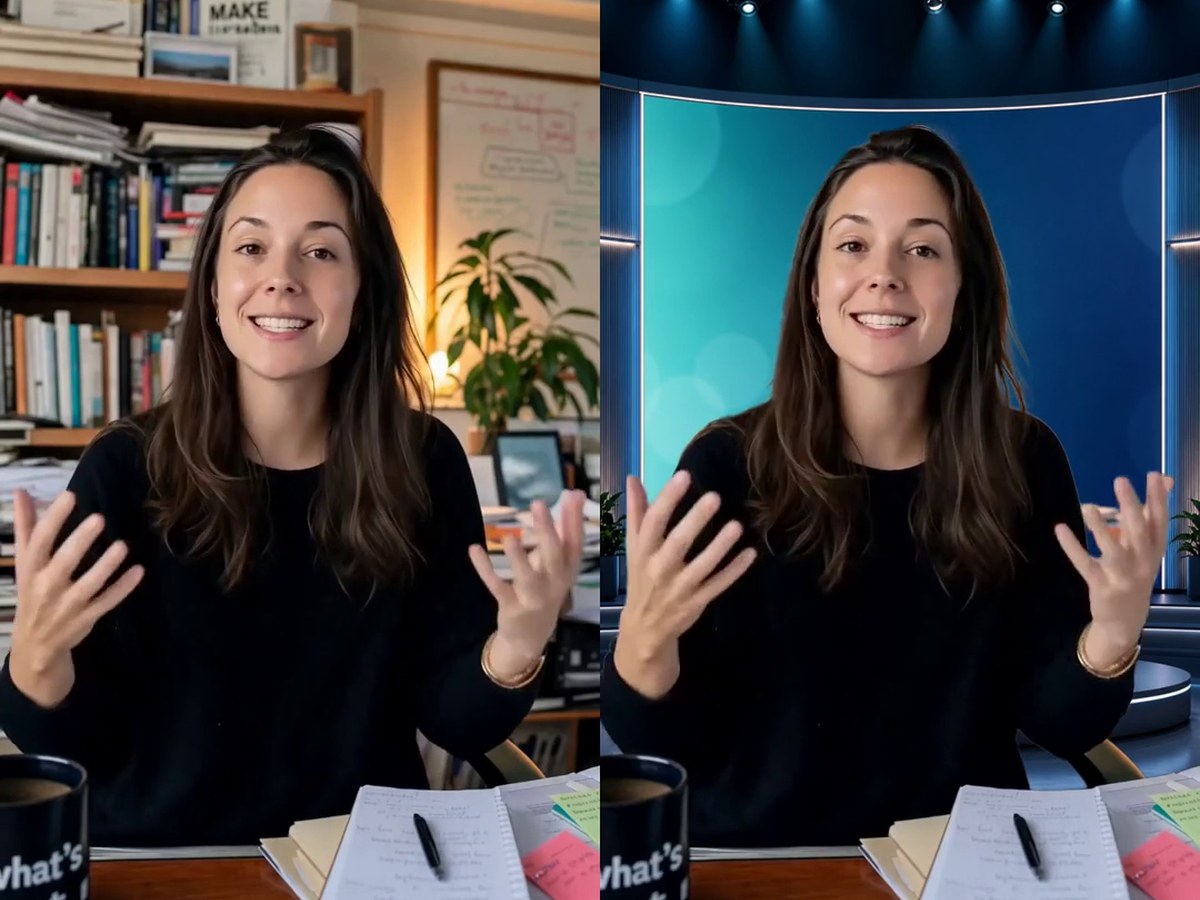
Shoot a presenter on a messy desk → drop them onto a broadcast set, a brand backdrop, a city skyline. Bria VRMBG 3.0 mattes the background in ~21s (real alpha, commercial-licensed); composite onto any backdrop you generate. The whole key-and-replace loop — no green screen, no studio.
Doc → Animation — a paragraph becomes a narrated explainer
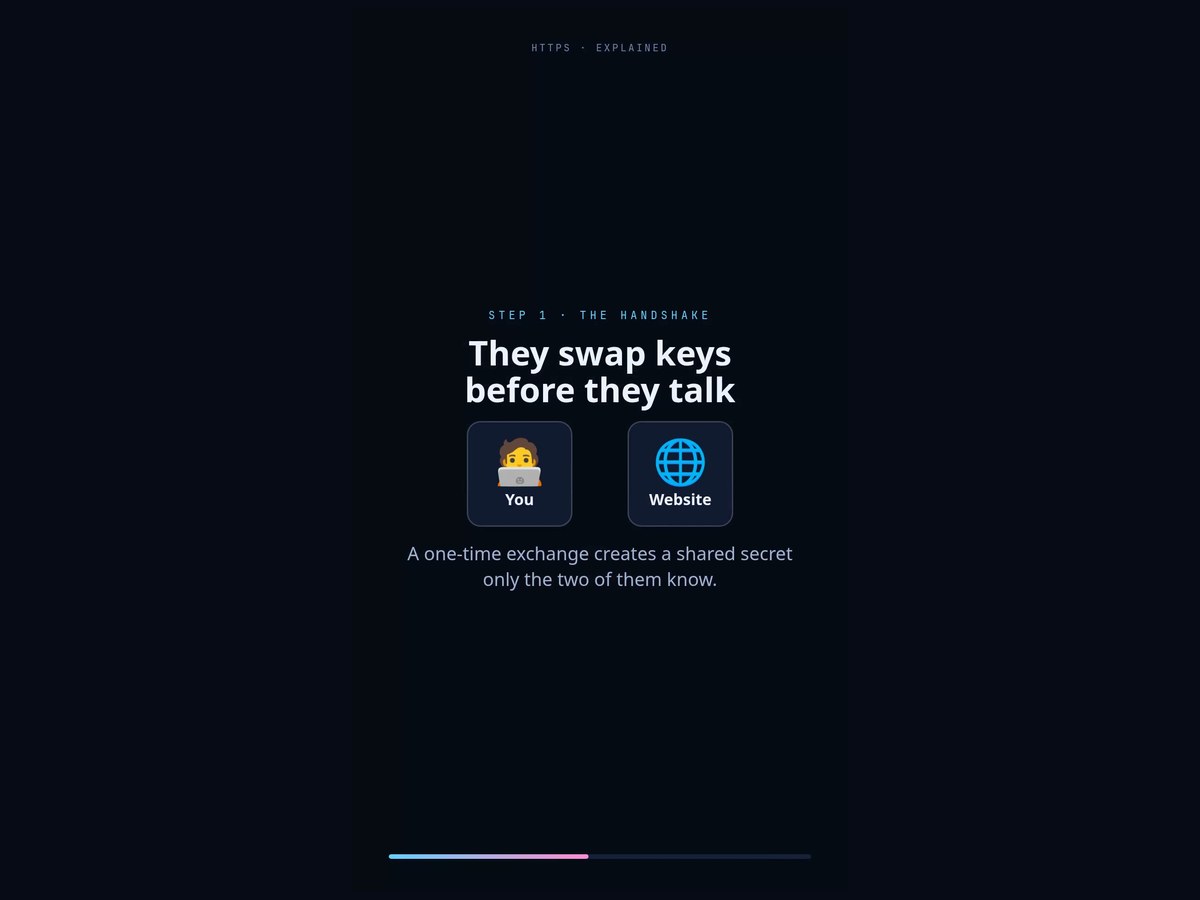
Paste a dense paragraph → a narrated 45s animated explainer where every word on screen is crisp. The animation is authored as HTML and composited to video by hyperframes-render — the one thing AI video can't do legibly — then narrated (gemini-tts) and scored. Re-editable + localizable; the text is real, not baked pixels.
Doc → Manim Animation — broadcast-grade math from code
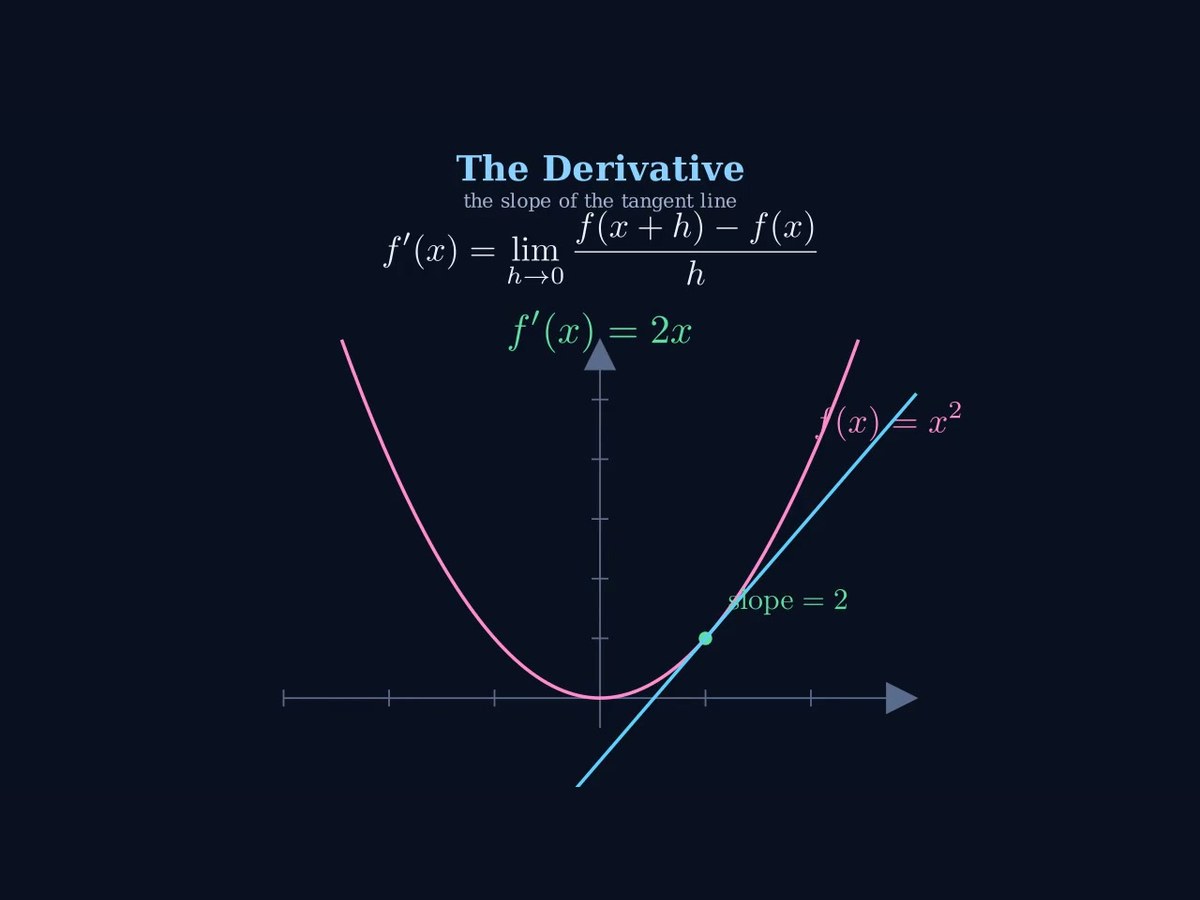
The precise STEM tier of doc-to-animation, on a brand-new manim-render tool cap. The agent writes a Manim scene → the cap renders it into real MathTex equations that move — a secant sweeping to its tangent, f'(x)=2x resolving. The 3Blue1Brown look from one prompt, where HTML can't go. Sibling to hyperframes-render.
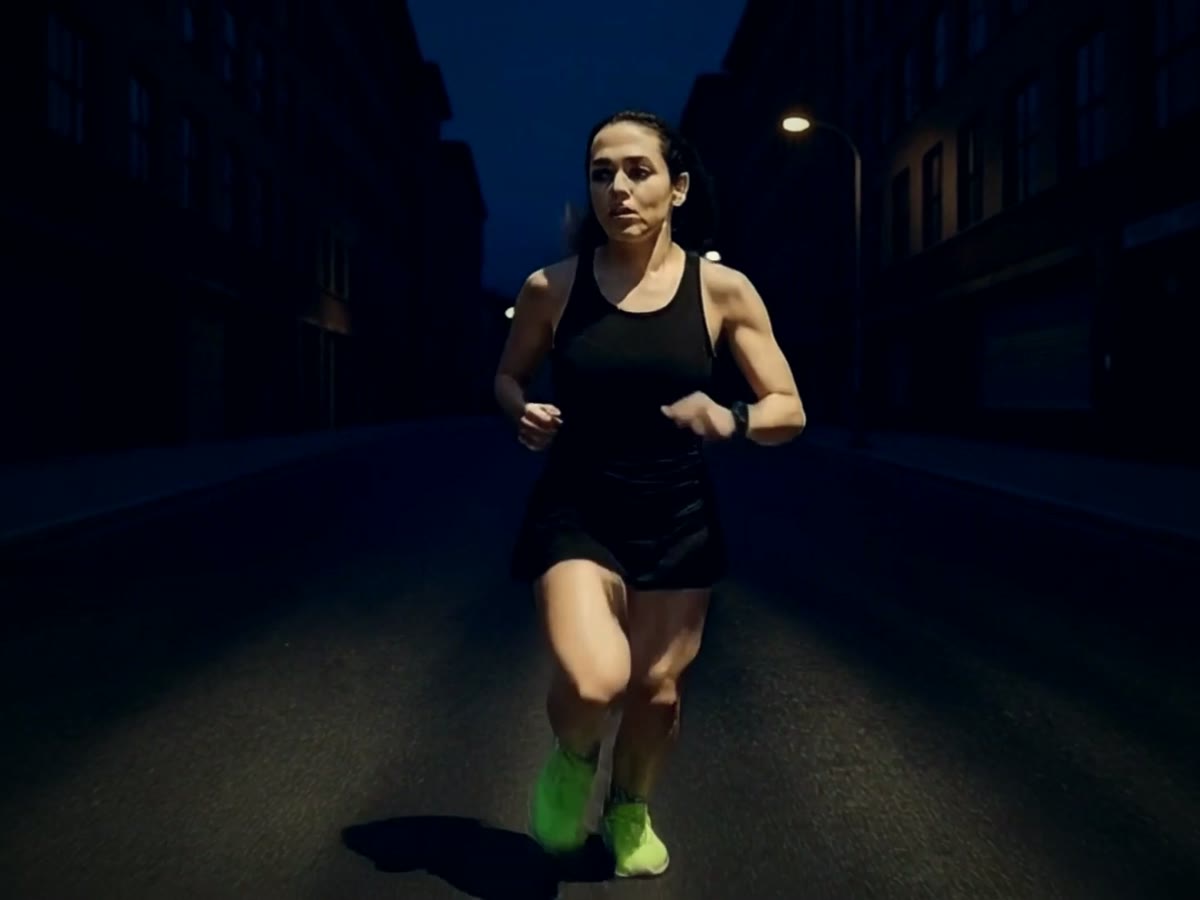
Brand Film — an agency-grade commercial set, any brand
Load the Brand Film Director skill, then run this: a product photo + a brand → a story-driven 60–90s hero film + a re-cut 30s + hook-first social, multi-aspect, multi-language. Product + hero locked & consistency-gated, one aesthetic lane, licensed score + cast VO, every ending resolved. Reports speed / cost / adaptiveness for the room. Rendered live: Nike "Keep Going" — 82s + 30s + 4 languages, ~90 min, ≈$13.
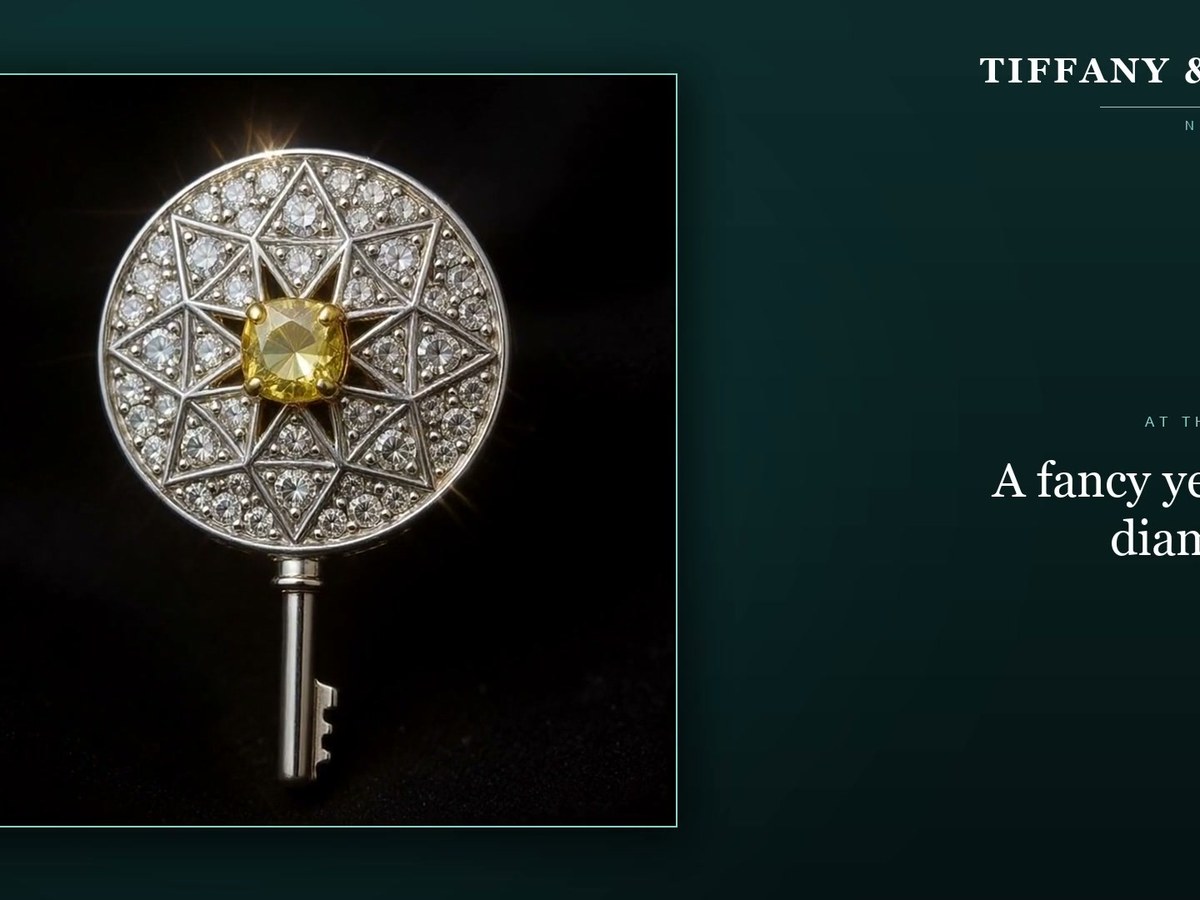
Luxury Product Ads — one locked product → a full ad set
Give it a product photo + a brand → the three ads that matter (hero film, money-shot, localized social) with the product locked and consistency-evaluated (no shot-to-shot drift) and brand text legible by construction (wordmark/price/CTA never AI-generated). The head-to-head: the three Tiffany ads, built better — ~$24 per brand, repeatable for any SKU.

端午 · 龙舟小波 — one image locks the whole reel
A chibi dragon spirit 小波 (Bo) stars in a 6-beat 端午 dragon-boat race — and looks identical in every shot, the part most AI tools get wrong. One character sheet, fanned into all 6 beats via subject-preservation, animated, stitched 9:16 for Douyin / 小红书 / Reels. The manual reference-passing recipe — existing primitives only.

端午 via Wire Graph — draw a line, it carries the character
The same reel as 龙舟小波, authored VibePaper-style: wire Bo's node into all 6 beats once instead of hand-passing his image per step. Declare the lock on the graph; re-run one beat without touching the others; add a second character with one more line. One schema on CLI · MCP · webapp. Rendered through the real engine — and it caught a character-drift bug we fixed.
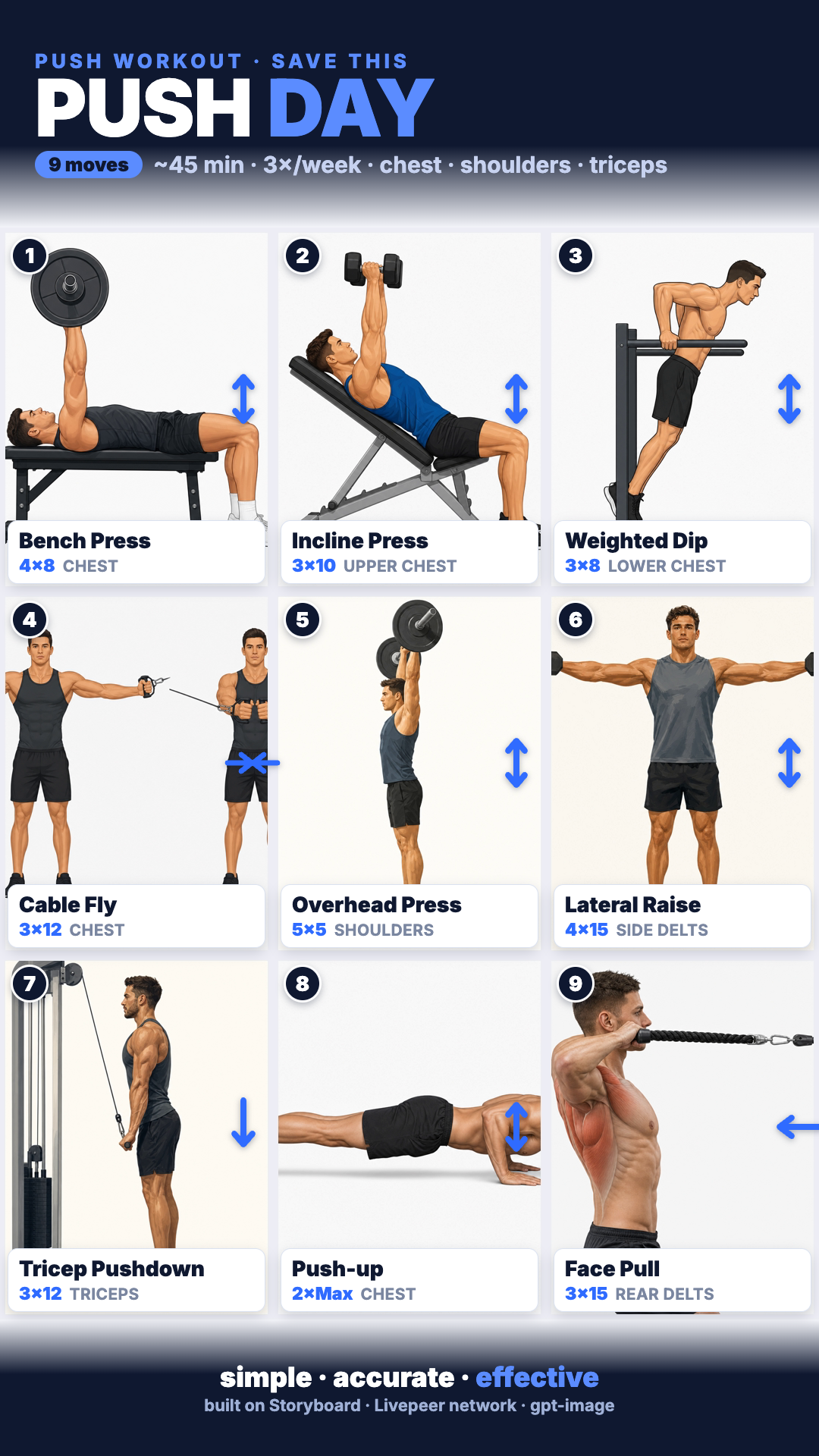
Gym-Routine Grid — type a routine, get a movement board
Type any workout — "Push day: bench, incline DB press, weighted dip, cable fly, OHP, lateral raise, tricep pushdown…" — and it builds a TikTok-style 9:16 grid: each cell a short colored-pencil, friendly hand-drawn movement, with its strength · length · frequency in a crisp overlay. Pick male or female; 6/9 cells or doubled 12/18 (two clips per movement). Calm-but-energetic bed. generate_project (colored-pencil keyframes) → 3×3 ffmpeg-grid → hyperframes-render typography → music → mux.
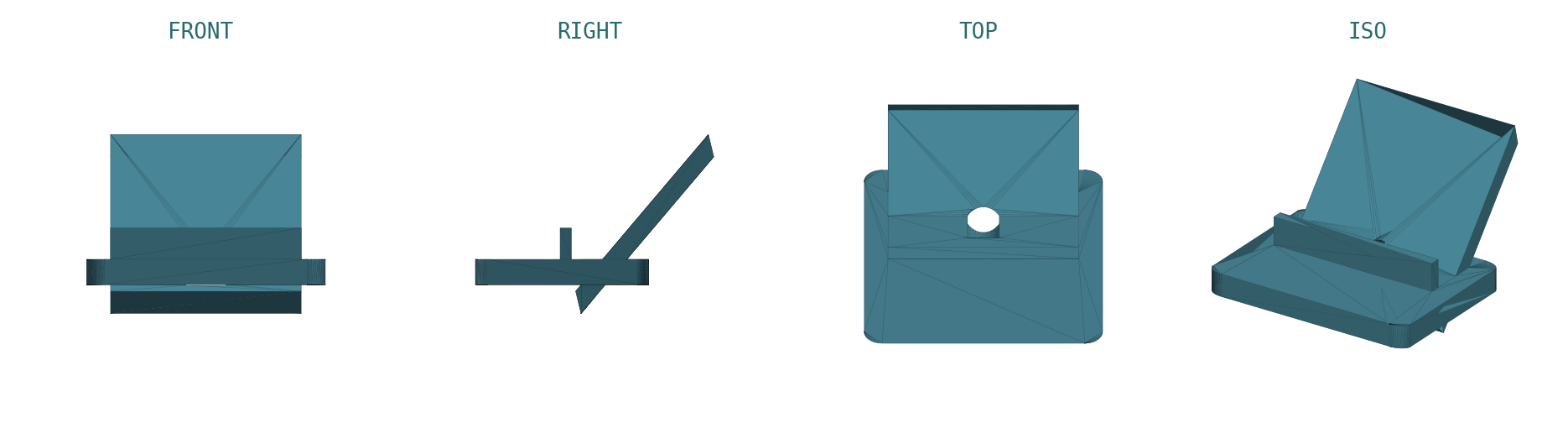
Image or Text → 3D-Print — a real, watertight STL
Most "AI 3D" makes a display mesh that fails the moment a slicer touches it. cad-render takes the other road: it turns a sentence or a reference image into parametric OpenSCAD code, then renders genuinely watertight, manifold, mm-accurate geometry your slicer ingests with zero repair — and it stays editable. create_cad_model → review the 4-view → refine_cad_model → export_stl (watertight+manifold GATE) → download → print. Two showcase STLs ship — a text-driven phone stand and an image-driven desk hook — both passing the gate.
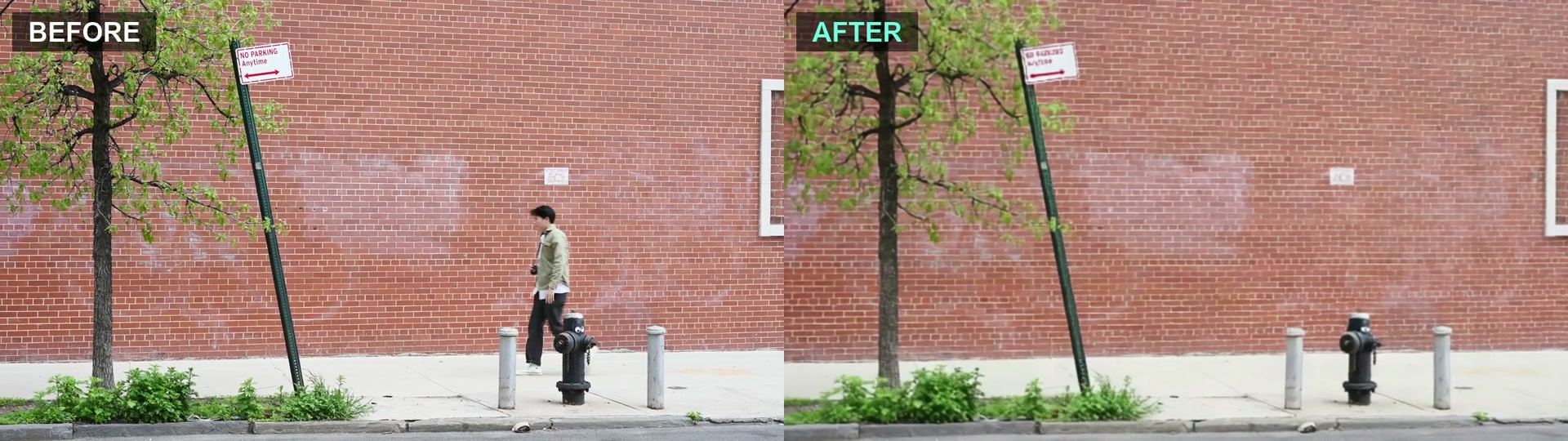
Remove an Object from Video — the Vanishing Act
Erase a moving subject so the scene becomes impossible — a "ghost street". void-inpaint takes a short clip + one line of what to remove + one line of the clean background; SAM-3 tracks the subject across frames and a temporally-coherent pass reconstructs what was behind them. marlin-video locate → void-inpaint erase → ffmpeg before|after → frame-verified GATE → download. Works for one clear subject on a static-camera, simple background; honest limits on crowds, fast motion, and replacement. A real CC0 clip ships with the man fully erased and a working before|after reveal.
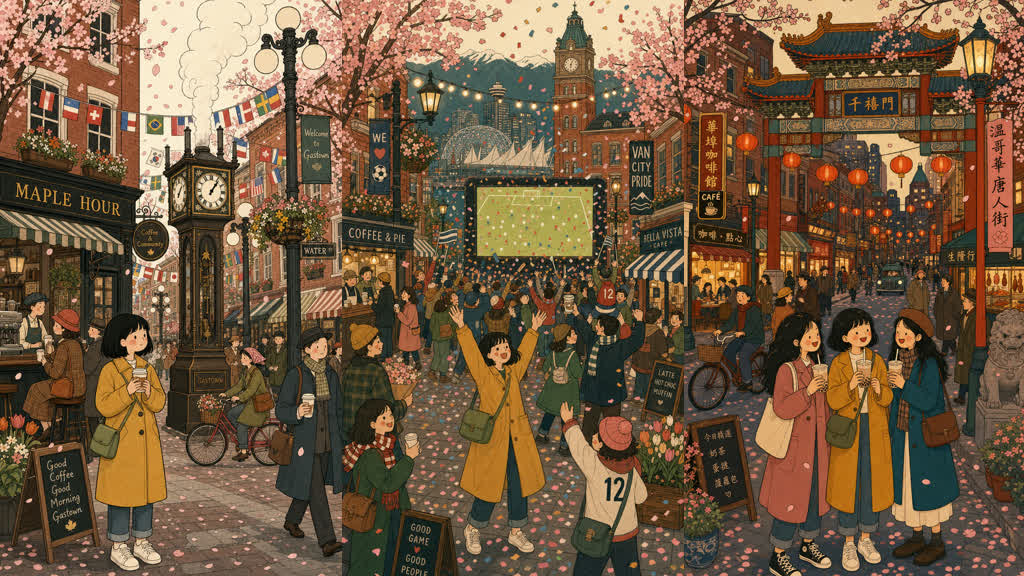
Storybook City Reel — any story, one captured illustration style
A captured "cozy storybook street-life" style — flat 2D folk-art, ink outlines, blossom petals, warm retro palette — turns any user story into 5 styled keyframes → a gently-animated ~50s vertical reel with an instrumental jazz bed. The style is locked by a verbatim style block in every prompt; the protagonist by a name + fixed wardrobe. gpt-image → ltx-q-i2v ×5 (motion-gated) → instrumental music → ffmpeg to a 9:16 MP4.
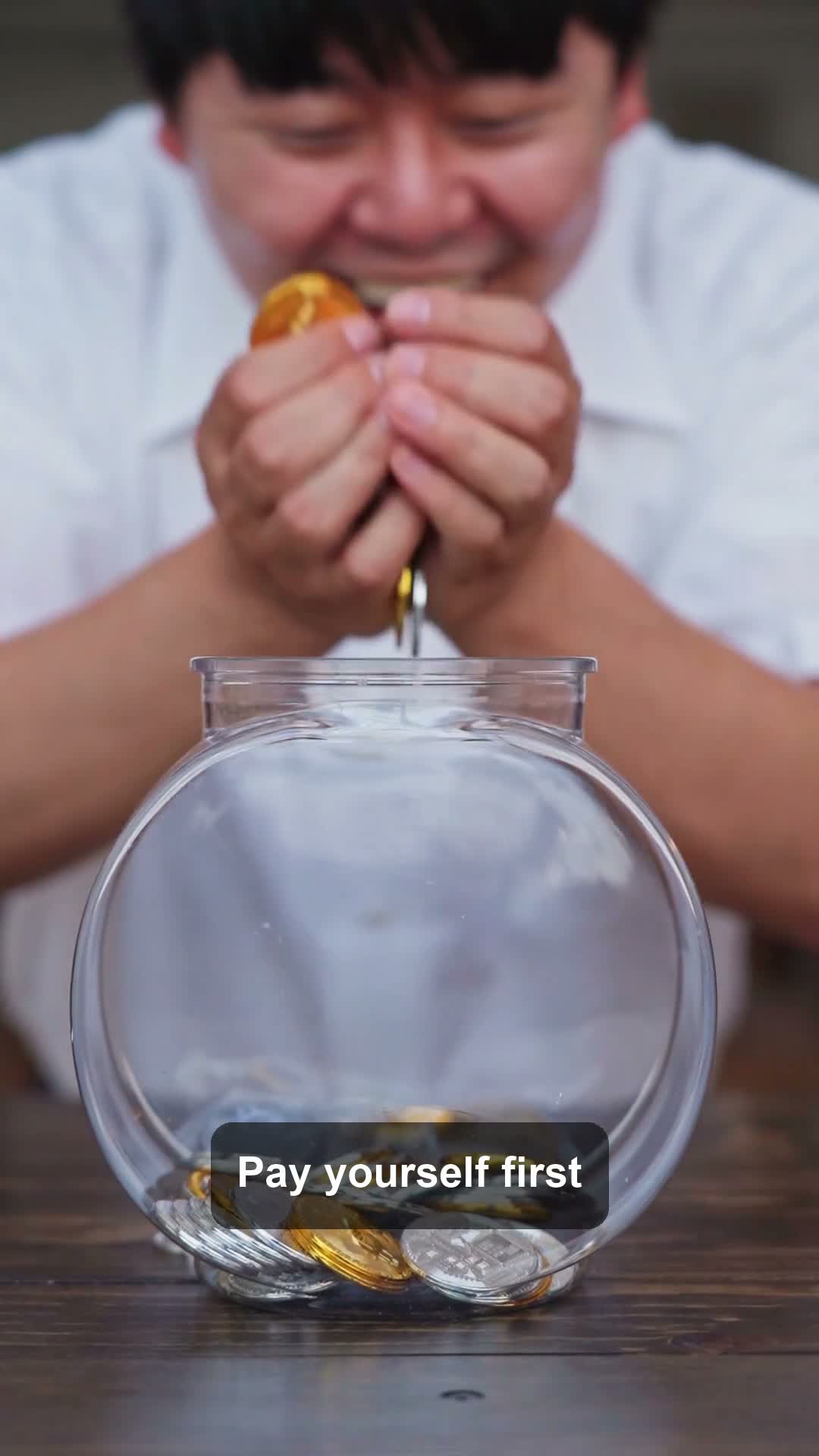
Faceless stock-footage short — topic to TikTok in seconds
The fastest, most reliable short-form format: a topic becomes a captioned vertical reel built from real pre-shot stock footage (Pexels/Pixabay via the new stock-footage-fetch cap) — no AI video generation, so nothing hangs and nothing drifts. Perfect for faceless money/news/listicle shorts. Also powers the hybrid variant (AI hero + stock b-roll) and the never-fail i2v fallback. gemini-text → stock-footage-fetch → chatterbox-tts → ffmpeg captions + concat → music.
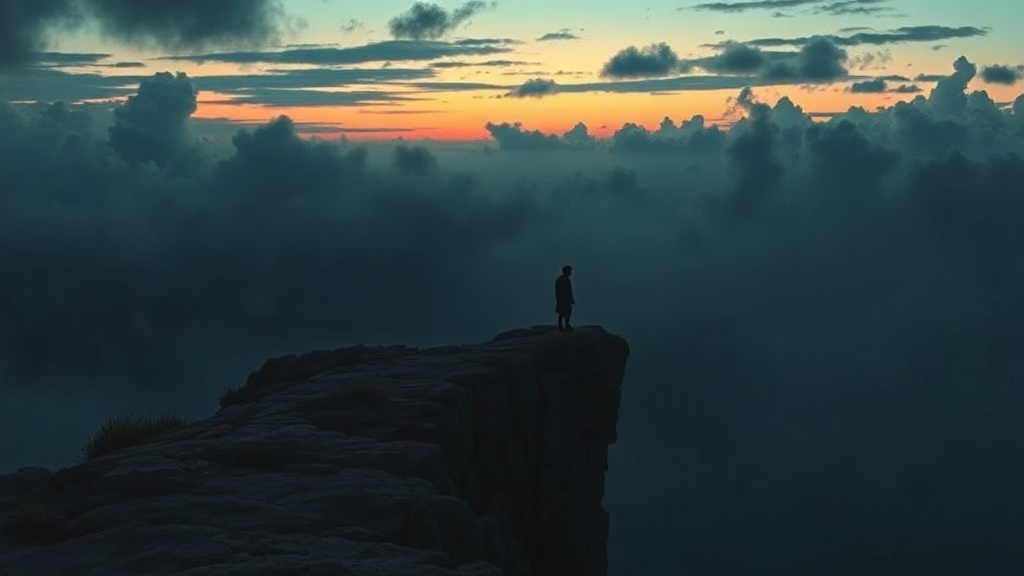
Novel Recap — recap a book in 90 seconds
Point this at a book, a chapter, or a plot summary and it builds a fast cinematic recap reel: a cold-open hook, 5–8 illustrated plot beats narrated dramatically, and a cliffhanger that drives the comments. The BookTok / "recap this in 60 seconds" format, done entirely on Storyboard's existing Livepeer caps — generate_project → chatterbox-tts → minimax-music → ffmpeg finishing to a 9:16 MP4.
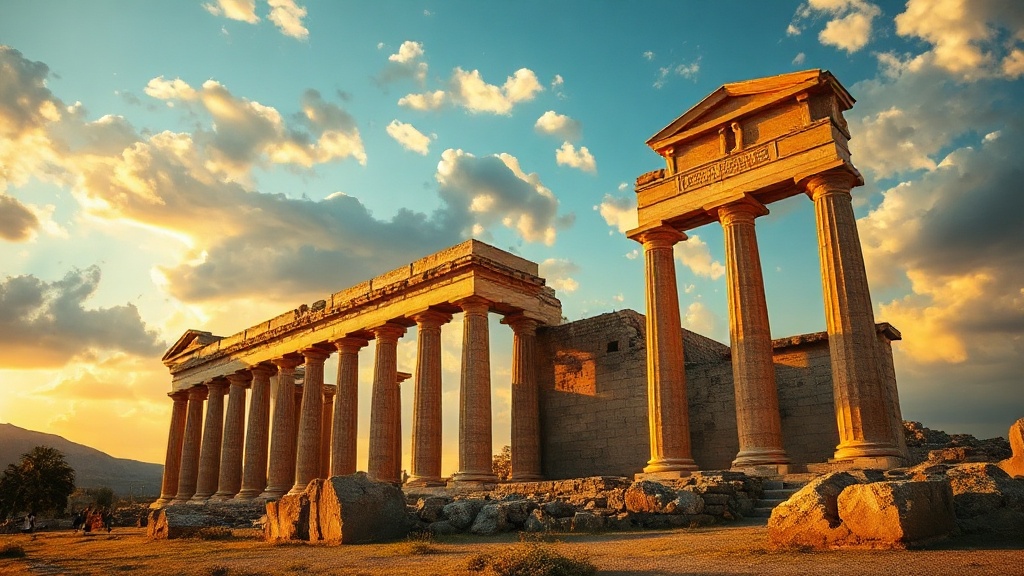
History Explainer — a documentary in 90 seconds
Point this at a historical event, figure, or turning point and it builds a cinematic documentary explainer: a striking date/fact hook, the context, 3–4 key moments, why it mattered, and a takeaway — narrated by an authoritative voice over epic scoring, with date/place chyrons. generate_project → chatterbox-tts → minimax-music → hyperframes-lower-third → ffmpeg to a finished 9:16 MP4.
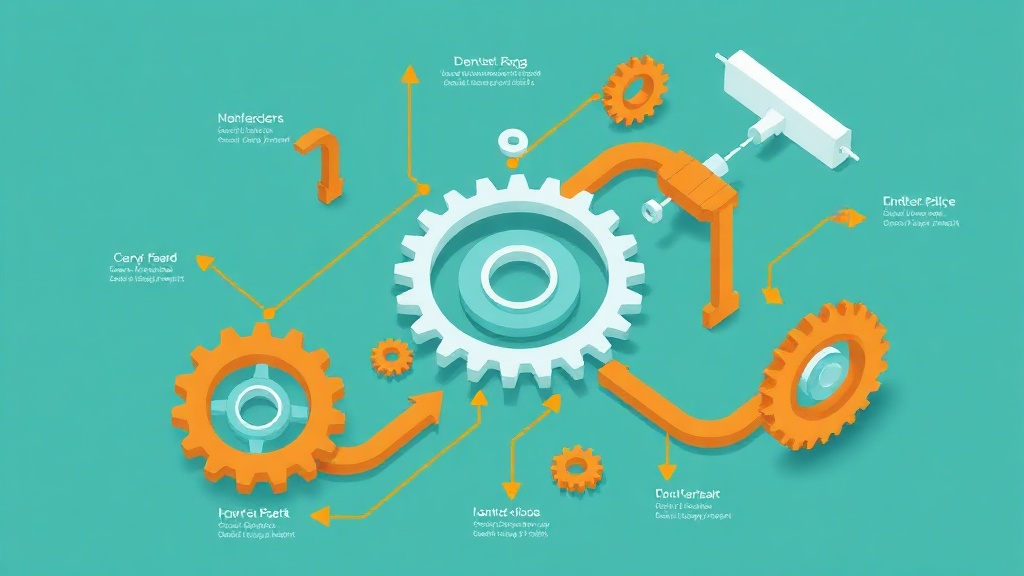
How X Works — explain a mechanism in 90 seconds
Point this at anything mechanical or conceptual — "how a microwave heats food", "how RSA encryption works", "how a hurricane forms" — and it builds a clean explainer short: a question hook, a simple analogy, a 3-step walkthrough of the mechanism, and a "so that's why…" payoff. Clear, calm, diagram-driven. generate_project (ideogram-v4 for labels) → chatterbox-tts → hyperframes-caption → ffmpeg to a 9:16 MP4.

Ever Wondered… — a science curiosity hit in 90 seconds
Point this at a surprising science question — "why is the sky red at sunset?", "what's inside a black hole?", "how do octopuses taste with their arms?" — and it builds an "ever wondered" curiosity short: a question, a reveal, the actual science, and a mind-blown closer. Striking macro/space/micro imagery, energetic delivery. generate_project (cosmos-3-image for cosmic) → chatterbox-tts → minimax-music → ffmpeg to a 9:16 MP4.

Money Tips — a punchy numbered listicle in 90 seconds
Point this at a money or side-hustle topic — "5 ways to start earning on weekends", "3 budgeting habits that actually stick" — and it builds a punchy numbered-tips short: a bold claim hook, 3–5 numbered tips with big number cards, and a CTA. Confident, fast, lifestyle-driven. generate_project → chatterbox-tts → minimax-music → hyperframes-caption (big number cards) → ffmpeg to a 9:16 MP4.
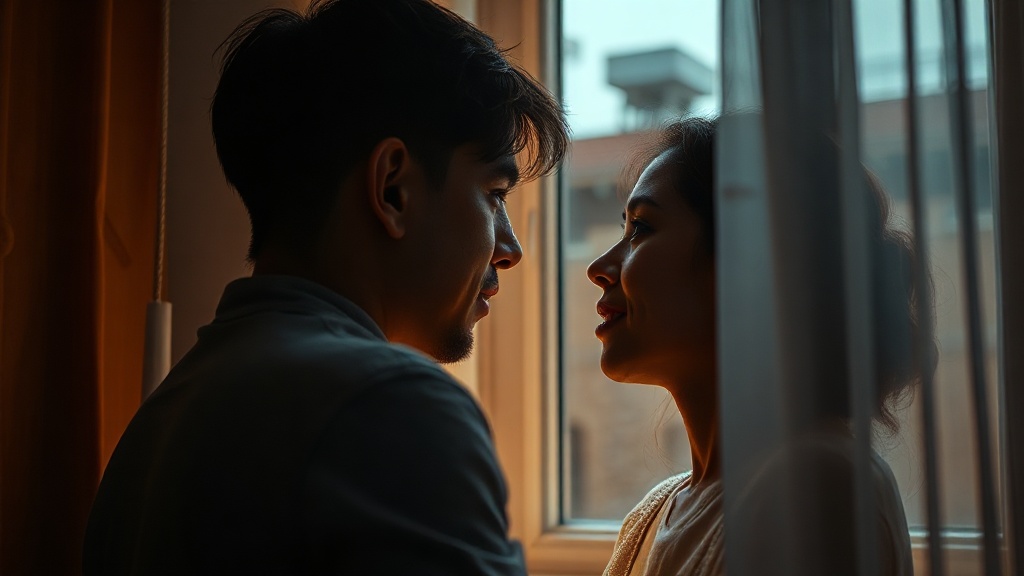
Emotional Micro-Story — a tiny story that lands in 90 seconds
Point this at a small human moment — "the last voicemail she never deleted", "the dad who learned to braid hair", "the stray cat that waited" — and it builds a short relatable emotional narrative: a warm setup, a turn, and an emotional payoff. Intimate, slow, lingering. generate_project → ltx-q-i2v gentle motion → chatterbox-tts (warm narrator) → minimax-music (piano/strings) → ffmpeg to a 9:16 MP4.
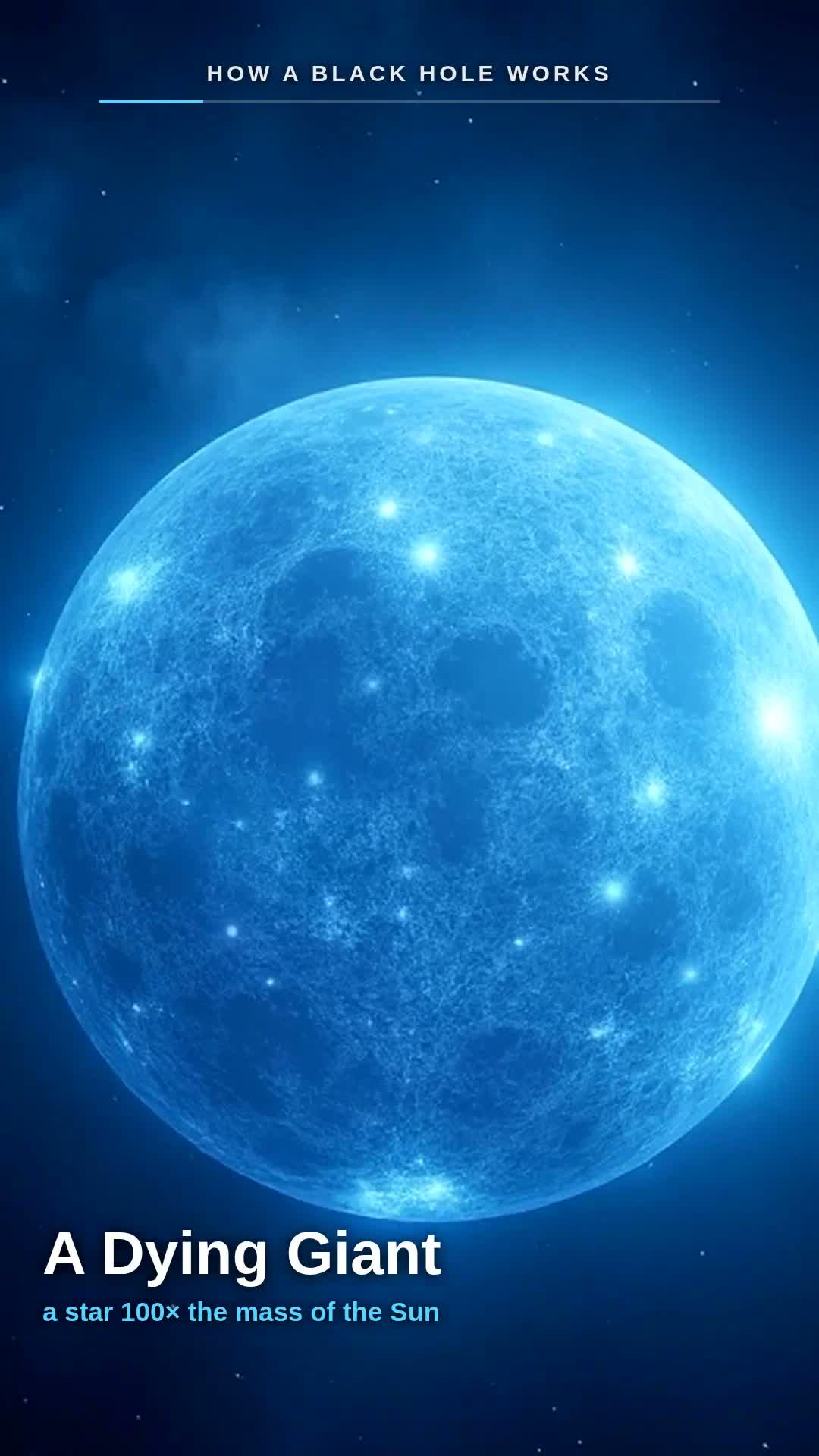
Movie-grade Explainer — cinematic b-roll + crisp HTML text
Point this at any concept — "how a black hole works", "how mRNA vaccines train your immune system", "how a transformer attends" — and it builds a movie-grade vertical explainer: cinematic AI b-roll for the feel, and a single timed-HTML overlay for the facts. The differentiator is hyperframes-render — a persistent title, a CSS progress bar, and per-beat caption cards with the key term or equation, rendered pixel-perfect (the thing AI video can never do). generate_project (9:16) → ltx-q-i2v / Ken-Burns → chatterbox-tts → music → ffmpeg-concat → hyperframes-render to a 45–90s 9:16 MP4.
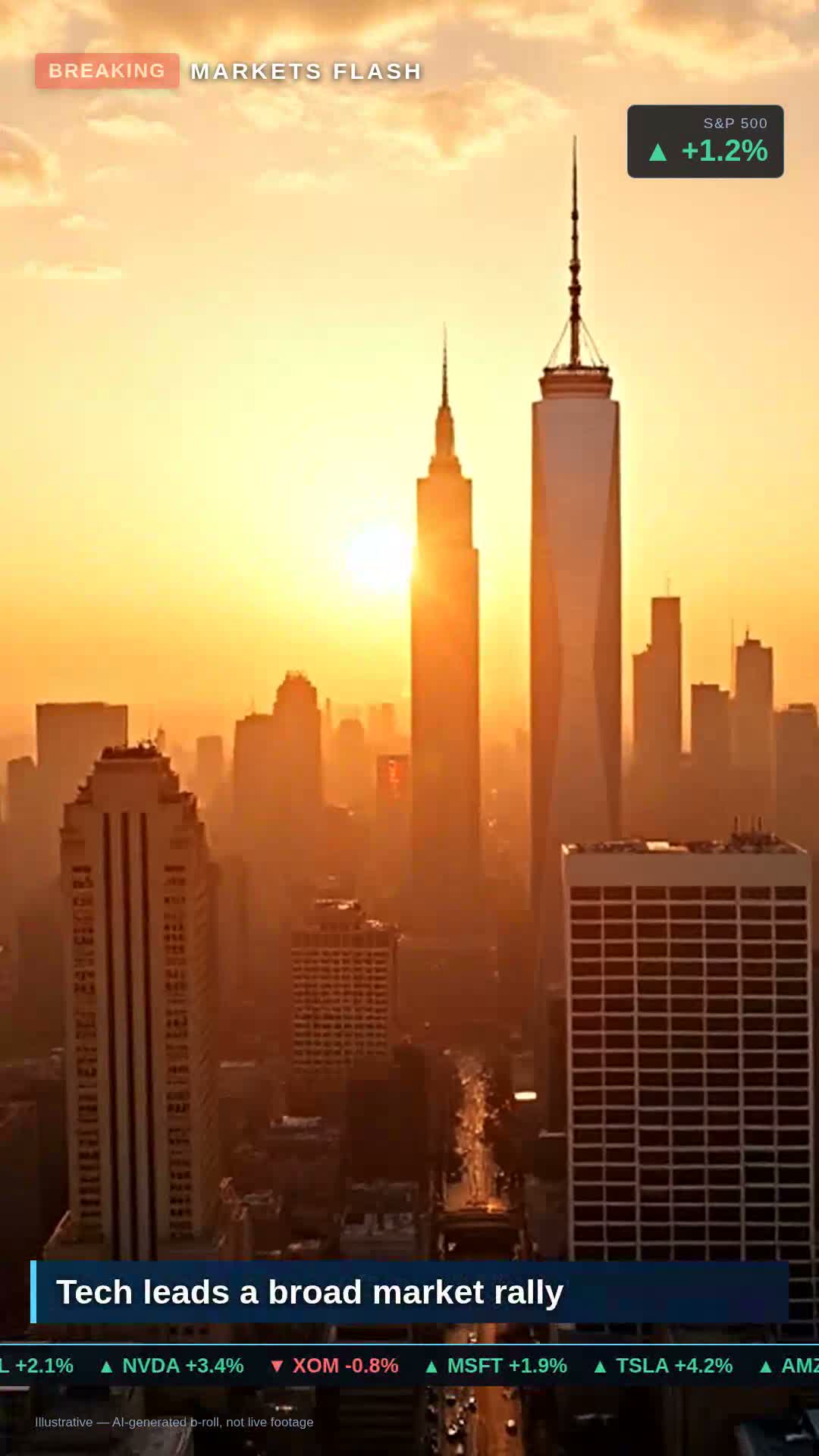
Breaking-News Flash — cinematic b-roll + a real broadcast UI
Point this at any timely, on-policy topic — a market move, a tech launch, a weather system — and it builds a broadcast-grade vertical news flash: cinematic AI b-roll for the feel, and a single timed-HTML overlay that is a real news graphics package. The differentiator is hyperframes-render — a flashing red BREAKING pill, a live stat box, per-beat lower-third headlines, and a CSS scrolling ticker, rendered pixel-perfect (the thing AI video can never do). generate_project (9:16) → ltx-q-i2v / Ken-Burns → chatterbox-tts → music → ffmpeg-concat → hyperframes-render to a 25–40s 9:16 MP4.
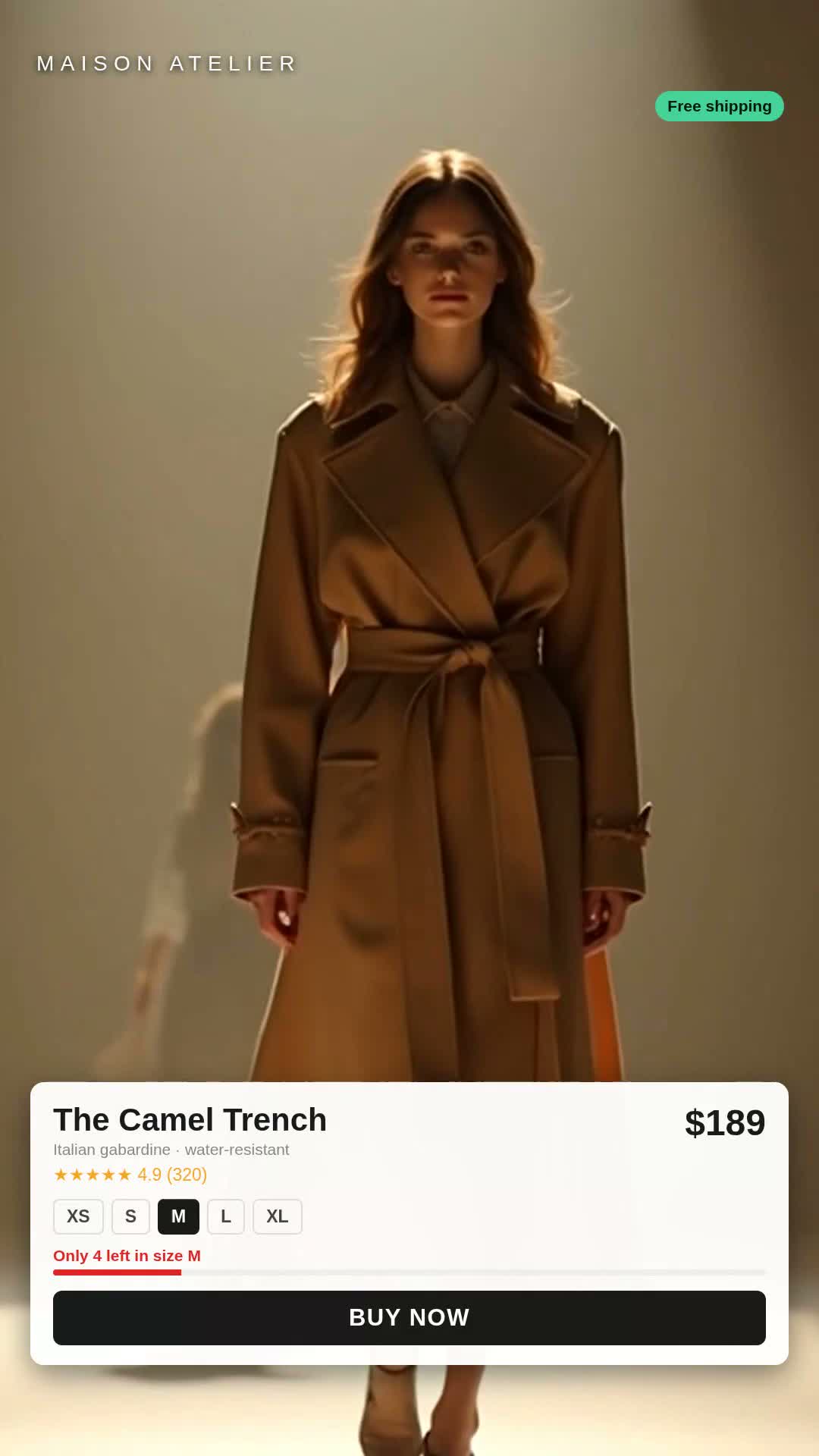
E-commerce Lookbook — cinematic fashion + a real product card
Point this at a product and it builds a shoppable vertical lookbook: cinematic AI fashion b-roll for the feel, and a single timed-HTML overlay that is a real product card. The differentiator is hyperframes-render — brand, a free-shipping badge, the product name + $189 price, a ★★★★★ rating, a size selector, an "only 4 left" inventory bar, and a BUY NOW button, rendered pixel-perfect (never trust a model to render a price). generate_project (9:16, garment-anchored) → ltx-q-i2v / Ken-Burns → chatterbox-tts → music → ffmpeg-concat → hyperframes-render to a 30–45s 9:16 MP4.

History journey — cinematic time-travel reel
The maximalist flagship — the artifact a museum or a streamer puts in front of their opening title sequence. One 90-second reel, N era beats (default 18), dual format (cinema 16:9 + vertical 9:16), one evolving through-line. A single road that ages from Sumerian dust → Roman basalt → cobblestone → asphalt → smart-LED → sky. The example is THE ROAD — 5,550 years of human transportation in 90 seconds. One unified instrumental score builds across the full arc. Native composition both ways, NOT post-cropped. Reproduces for any subject: fashion (mirror), food (kitchen counter), music (piano keyboard), architecture (city horizon).
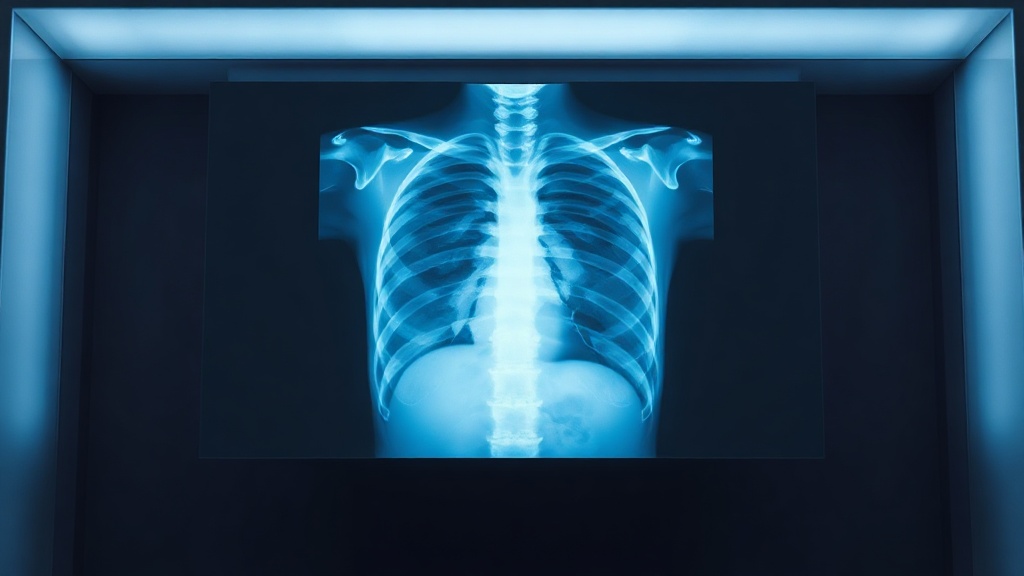
Chest X-ray — AI second opinion
Research / educational use only — not a diagnostic device. A structured radiology-style report on one chest X-ray: a TECHNIQUE line, a hedged FINDINGS list (observations, not diagnoses), an IMPRESSION with differential + next step, and the required disclaimer. Optional region overlay (sam3) and ROI upscale. Confirm every finding with a licensed radiologist; do NOT upload PHI.
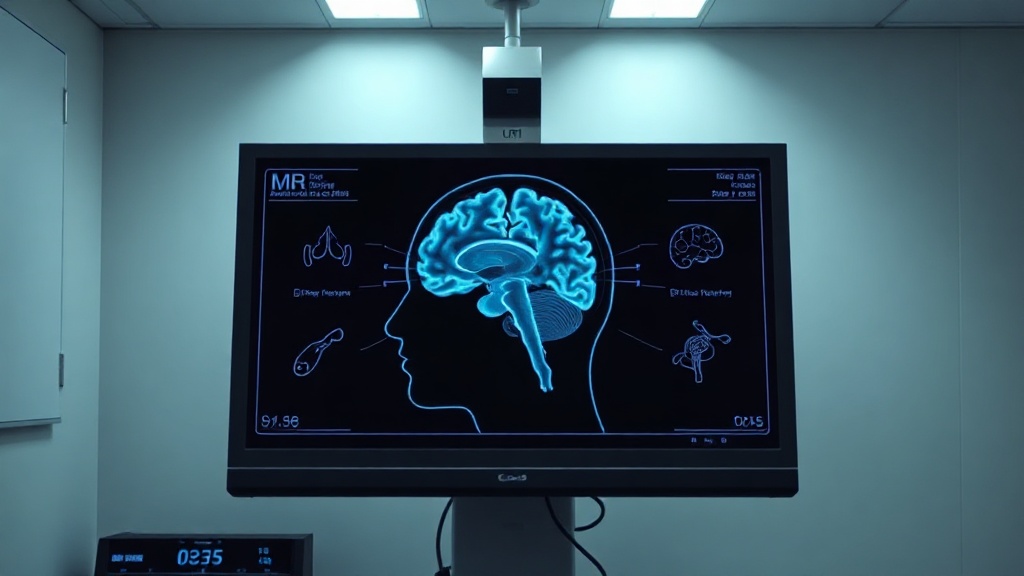
MRI Casual Readback — paste an MRI, get a layperson read
Educational tool — NOT a diagnosis. Paste an MRI image → get a plain-language interpretation to help you prepare questions for your radiologist. Hard safety guardrails: a verbatim disclaimer banner, a closing disclaimer, and "go to ED today" escalation language when anything serious is flagged. Never outputs "diagnosis"; never names confirmed pathologies. Five sections: banner / what you're looking at / what's visible / questions to ask your doctor / urgency flags.
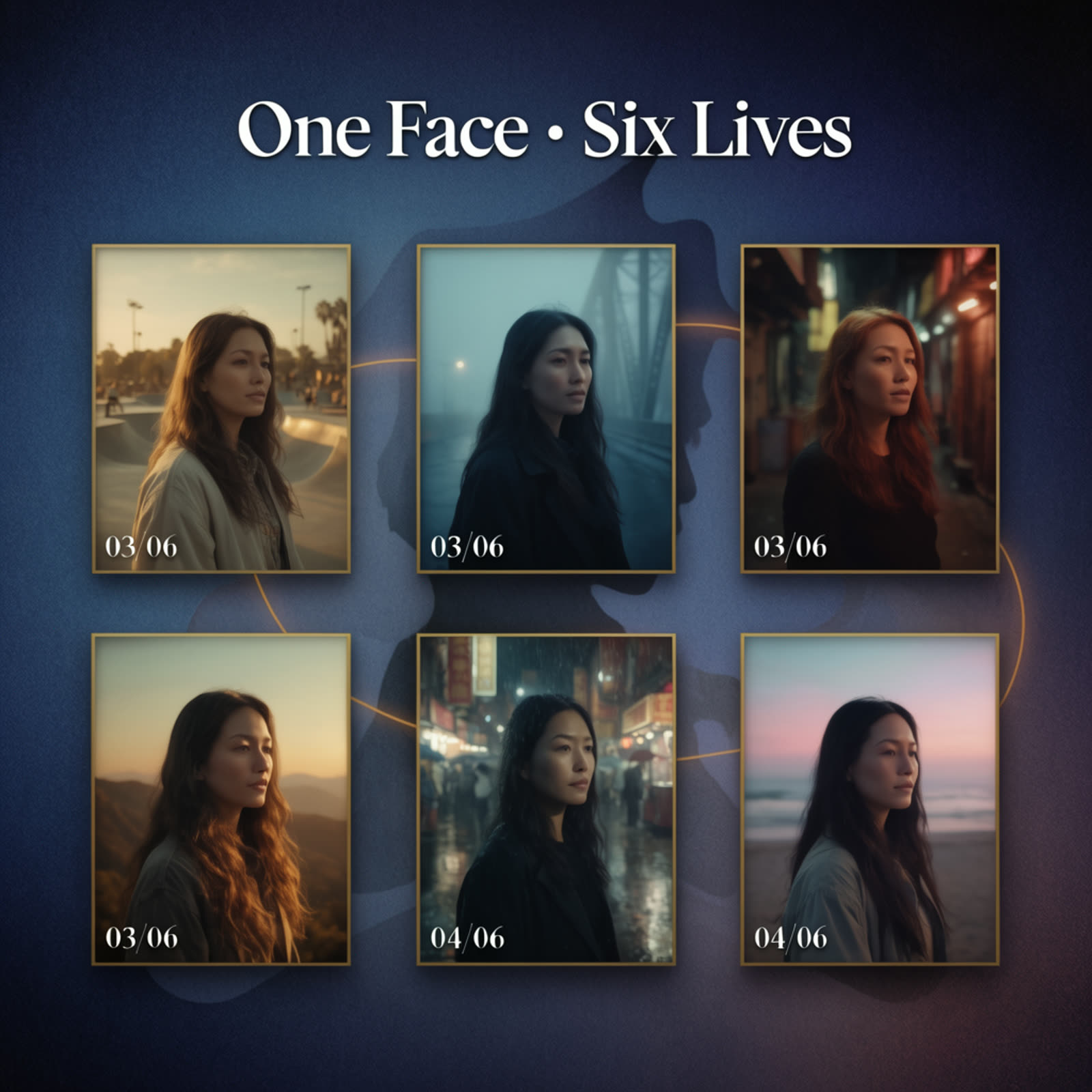
One Face · Six Lives — one selfie, six cinematic scenes
The flagship showcase for the new face-swap-image + face-swap-video capabilities (2026-06-03, replacing the deprecated easel backend). One identity photo → six cinematic seedance-i2v scenes featuring the user. Skate park, foggy bridge, neon alley, sunset vista, midnight Chinatown, dawn beach. Pipeline: seedance-i2v with a stand-in → identity quality gate → fanout face-swap-video × 6 → ffmpeg-concat. Optional music + narration. The fastest face-personalized reel in the catalog. Real-use: DTC brand personalizing the same ad for every customer, indie filmmaker pitching an actor, memorial / family videos, brand-influencer kit.
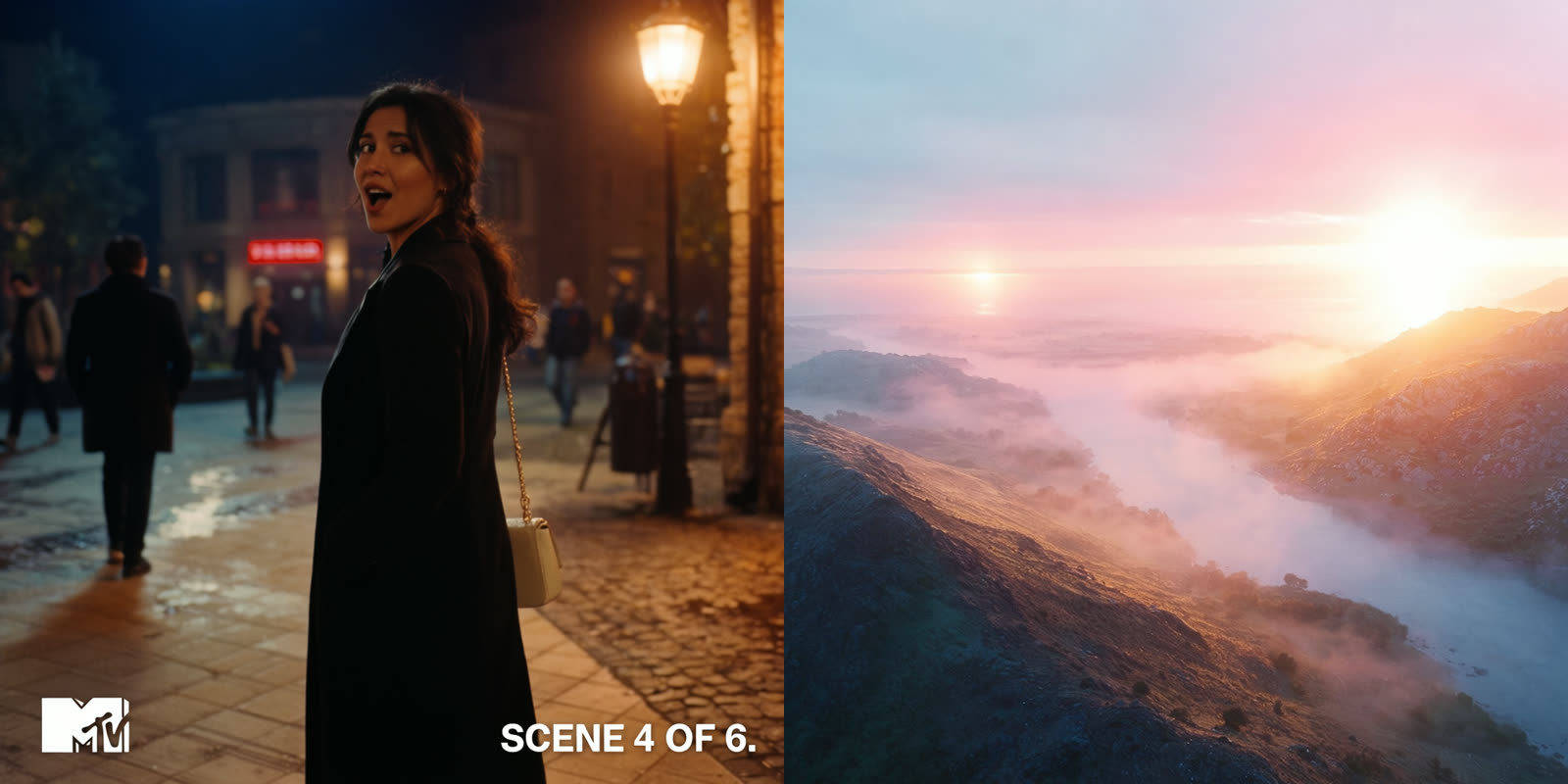
Music Video · MTV-grade — any music → cinema reel in 10 minutes
Bring a Suno song, a minimax-music track, or any mp3 — Storyboard turns it into an MTV-grade music video with beat-locked visuals, crossfade morph transitions, and an optional animated lyric typewriter sync\'d to the song. Two example showcases ship side-by-side: City Light (indie-pop · WITH lyric overlay) and Dawn Arriving (orchestral · instrumental opening-title). Same chassis, mode toggle decides whether lyric overlays fire. ~$4 e2e per video.
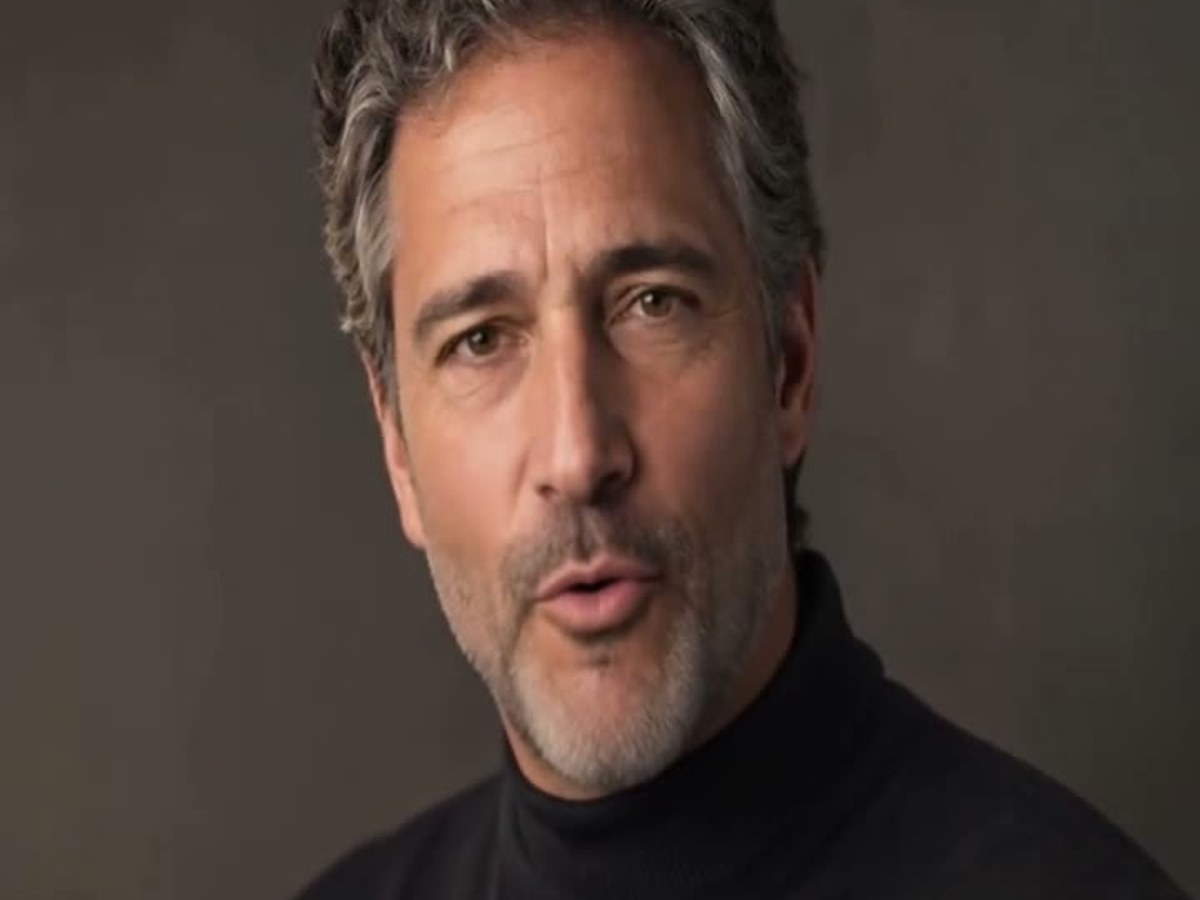
Media to Script — paste media URL, get a human-readable narrative
Paste an image, video, or audio URL — the agent looks at / listens to it and writes a clean narrative script at the reading level you choose. Six levels: 5yo · 10yo · teen · general-adult · academic · museum-guide. Single-pass output: Markdown script you can paste into a doc, podcast script, teleprompter, screen reader, TTS engine, or directly into the talking-avatar playbook to make a video of it.
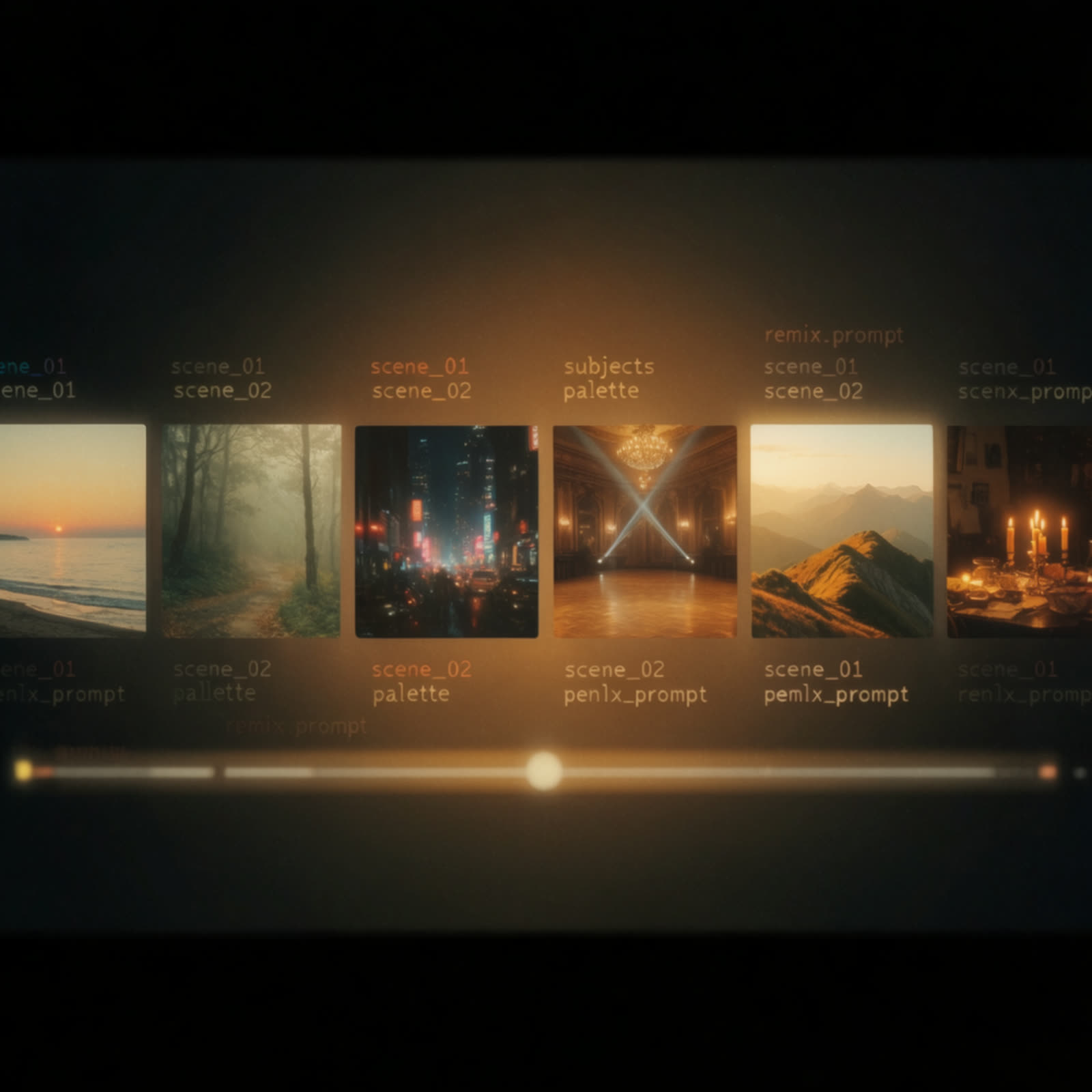
Live Stream Commentary — paste live URL, get rolling understanding as it happens
The live sibling of media-to-script. Paste a YouTube Live / Twitch / HLS URL, pick a tick rate (2-30s), get a rolling commentary that emits ONLY on scene change. Five emission formats — audio-description (for blind viewers), journalistic (newsroom monitoring), learner-L2 (language teachers), one-sentence (phone alerts), dramatic (entertainment). Cosine-similarity change-detection client-side. Hard caps on duration / emissions / cost mandatory. Canvas v1 ships first; MCP v2 follows. Status: docs designed; Canvas v1 implementation pending.
Talking Avatar — document in, speaking-avatar video + audio out
The flagship for narrated content. Paste a document, pick a language, get a talking-avatar video PLUS a standalone audio MP3 — both bit-identical on the audio. Six-stage pipeline: review the doc, optimize for speak-out cadence (breath commas, em-dash emphasis, de-acronymization), pick voice + character, generate portrait, synthesize audio in the chosen language (30+ via gemini-tts), lipsync via sync-lipsync/v3. Two reference showcases: Steve Jobs Stanford excerpt (EN) + 朱自清《匆匆》(中文). ~$0.30 for 20 sec; ~$1.50 for a minute.
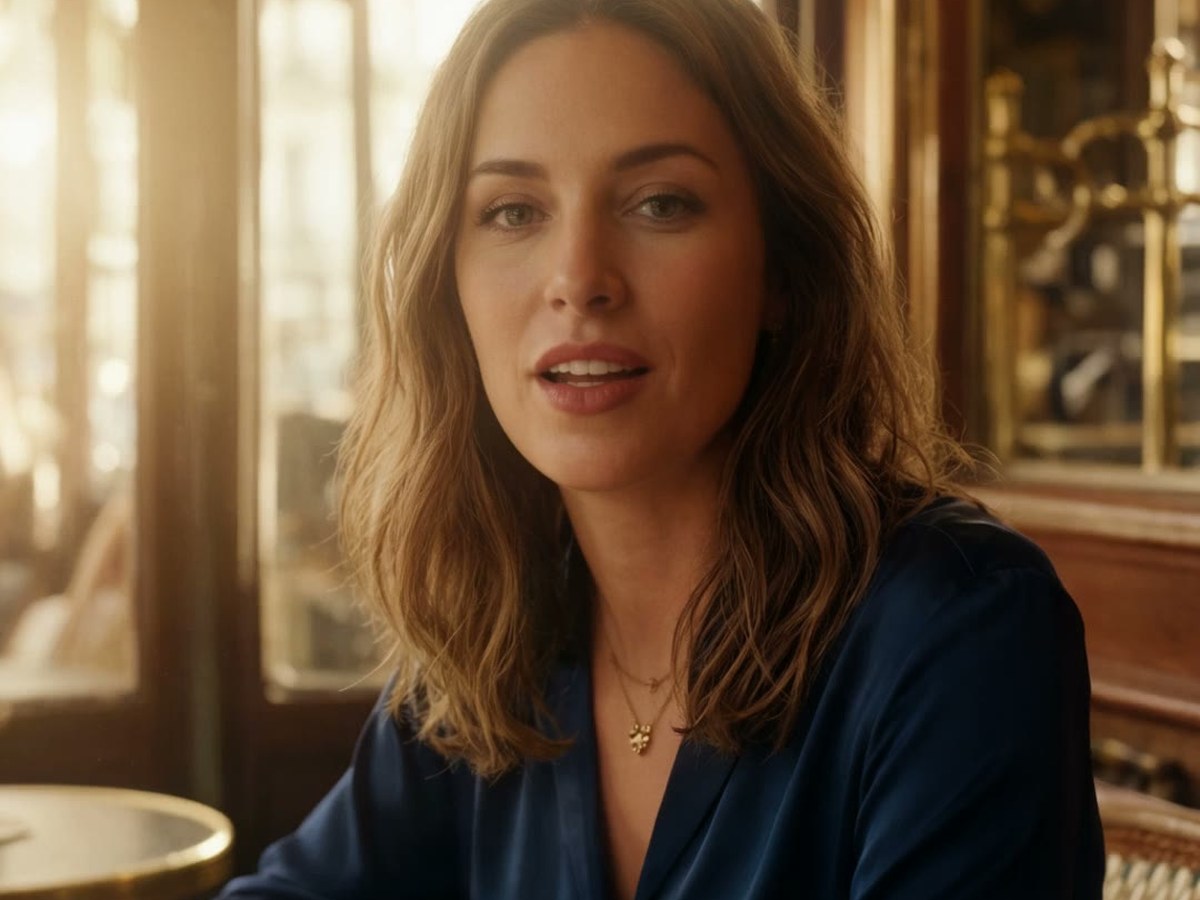
Video Translate — paste a URL, get N languages back
The simplest cross-border video workflow on the stack. Paste any publicly-fetchable video URL (YouTube via yt-dlp, Vimeo, mp4 anywhere), name target languages, get N MP4s where the same speaker speaks each in their own voice — original pacing, lip-sync regenerated. One MCP call per language. Two reference showcases ship side by side: Camille FR→EN+ES+ZH and David EN→FR+ZH. ⚠ Pass language NAMES capitalized ("English", "Spanish", "Chinese") — ISO codes like "en" return 422.
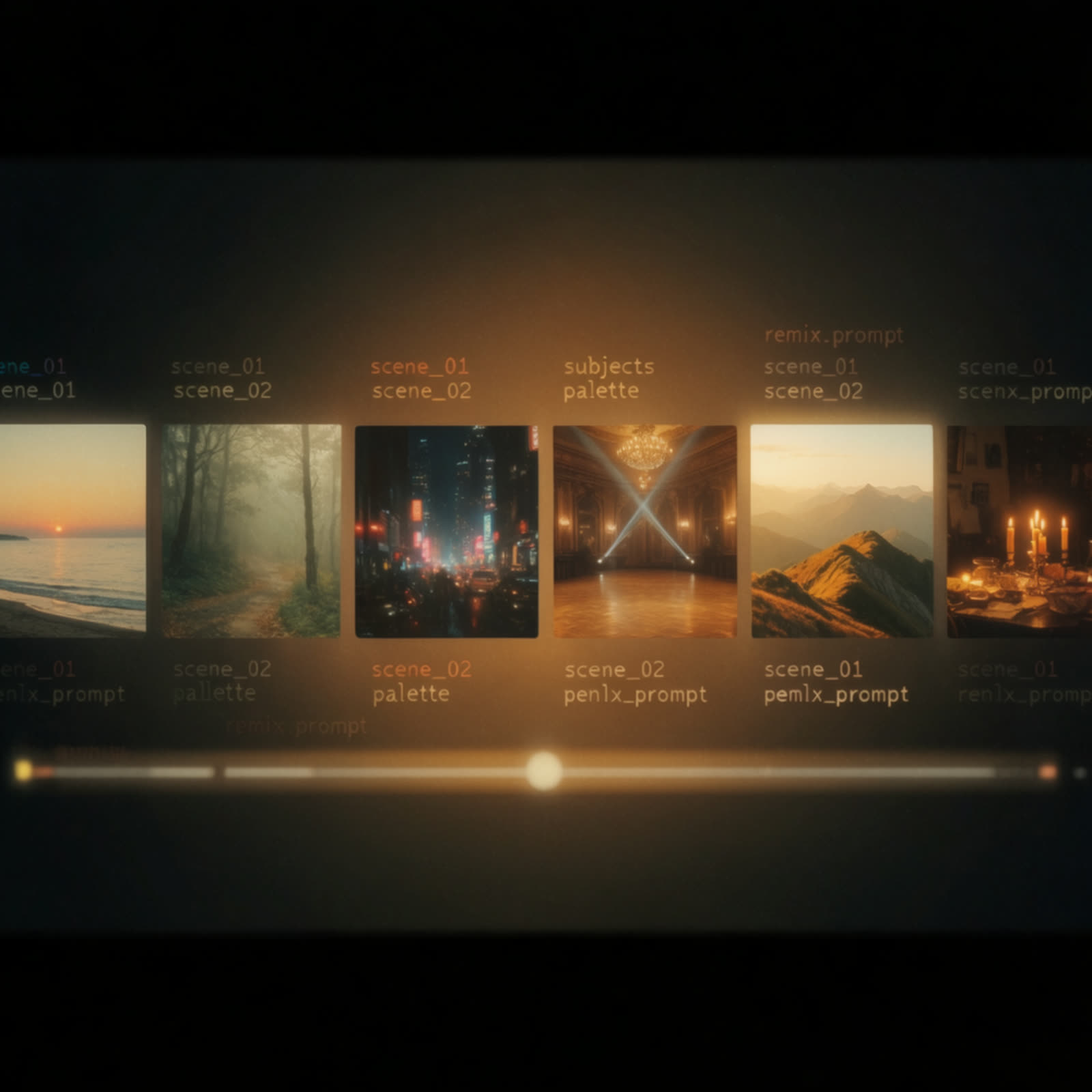
Paste a Link · Get a Project — video URL in, remixable cinema reel out
The flagship showcase for the newly-registered marlin-video capability (2026-06-03, fal-ai/marlin). Paste any video URL — YouTube, TikTok, Vimeo, an mp4 — Storyboard watches it, decomposes it into scene-by-scene JSON, plans a remixable project, regenerates every scene in your style, runs a drift gate, and ships a finished cinema reel in <5 minutes. Five caps orchestrated in one chain: marlin-video (understand + critique + moderate) + krea-2-large (keyframes) + seedance-i2v (animate) + minimax-music + gemini-tts. Real-use: marketer remixing a competitor TikTok, indie filmmaker decomposing a Wes Anderson short, webtoon creator adapting an anime trailer, educator rebuilding an explainer.
Beat-driven opera — 9 shots, premium i2v, one identity locked
A 90-second single-protagonist ballet, beat-locked to a wistful Satie-style piano. Every shot is real premium i2v — no Ken-Burns falls. Two caps mixed deliberately: grok-imagine-video where the camera dances, kling-v3-i2v where it holds. The example is OPUS 1 — Elena alone in an empty Beaux-Arts studio at first light. Nine shots × 10s, paced to ~30 piano bars at 3/4. The showcase for what storyboard does when you stop treating i2v as the cheap option.
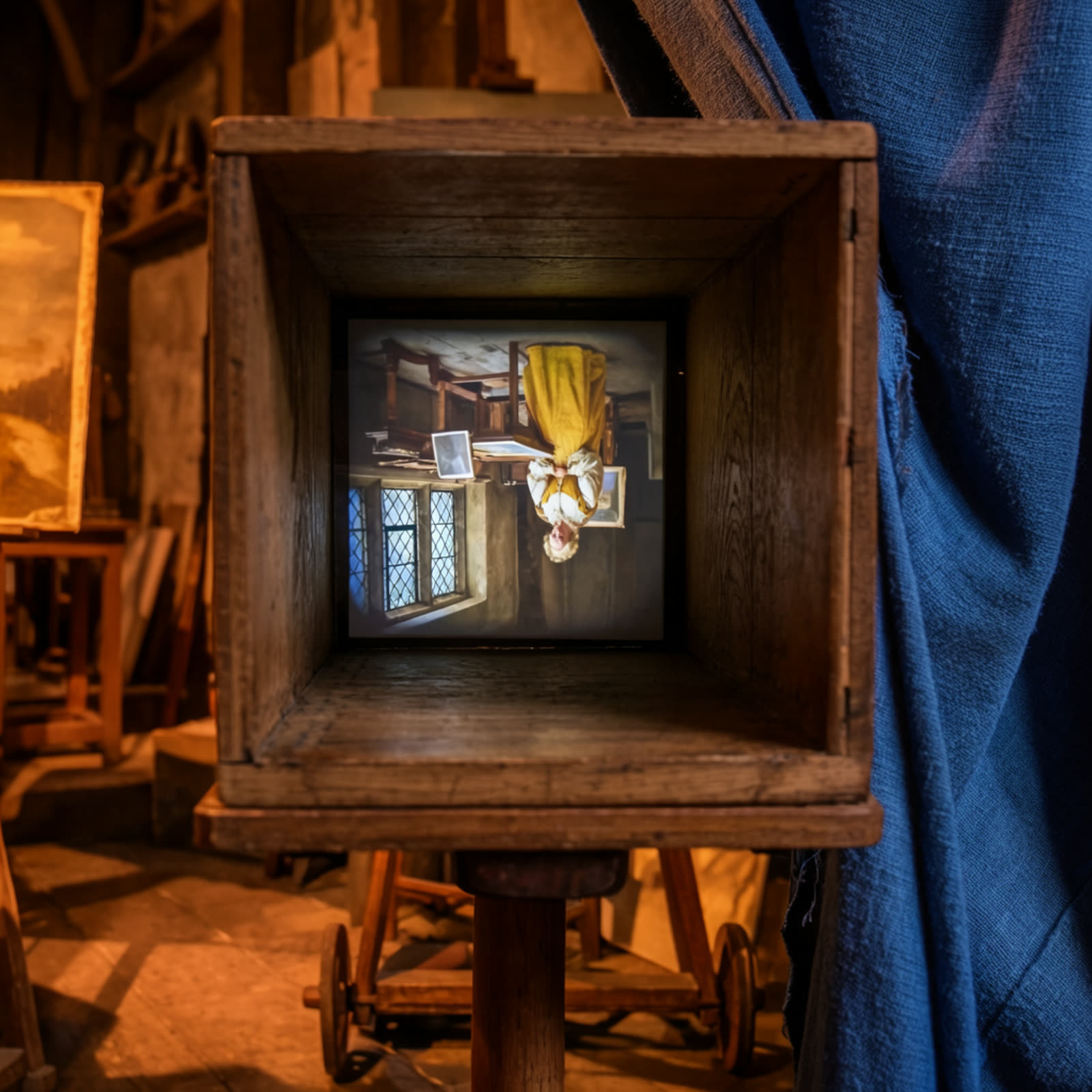
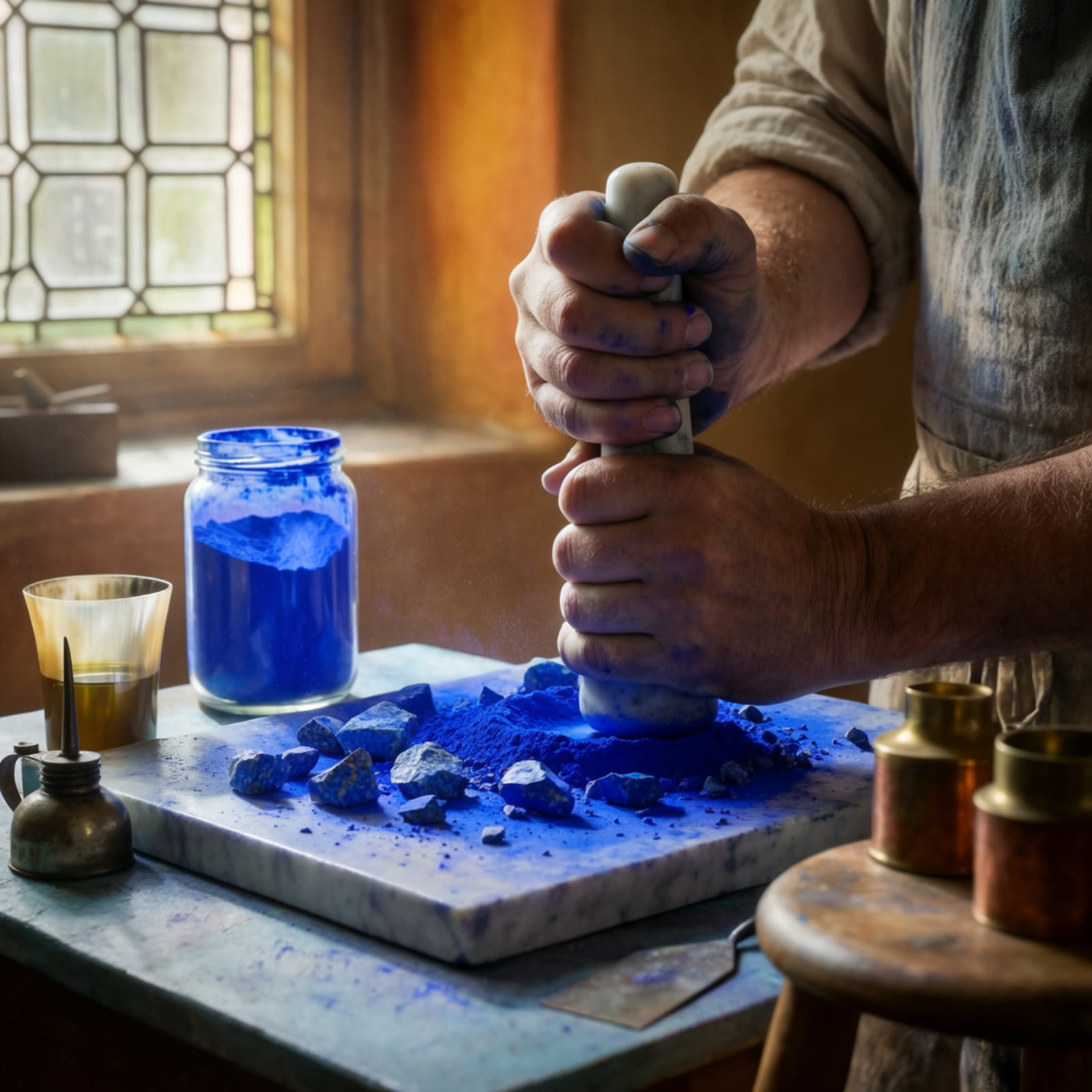
Museum installation — no characters, light is the protagonist
A 120-second museum-wall piece. No figures, no characters — the protagonist is the light. 12 painterly shots, one disciplined motion per shot (dust drifts, lace stirs, light brightens, pigment-glint pulses), a single workhorse i2v cap (kling-v3-i2v) carries the whole piece. The example is ATELIER · Vermeer's Light — a 17th-century atelier in Delft at the moment of arrival, just before the painter steps in. Cheapest premium showcase you can ship — "no characters" means zero cast-lock drift risk.
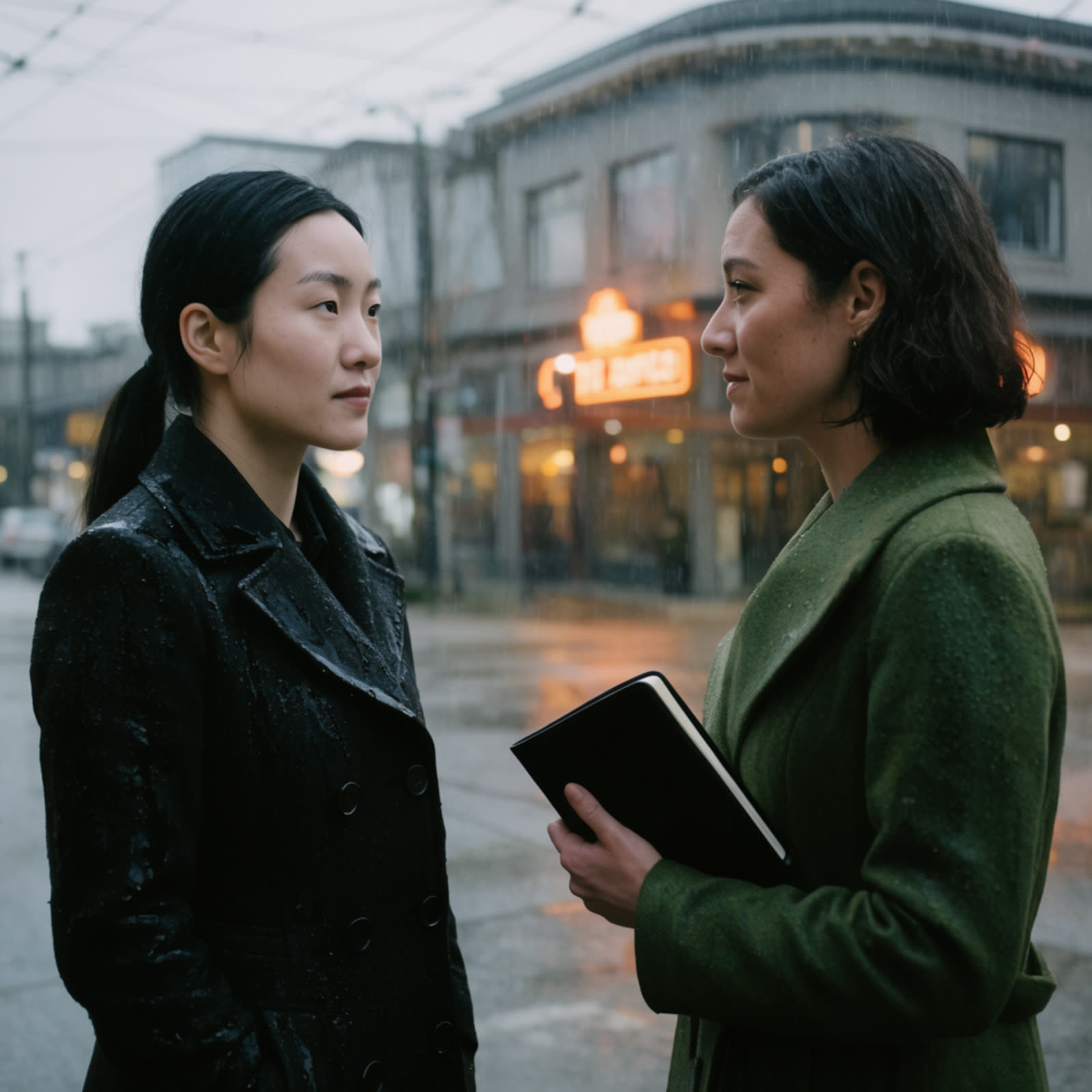
Episodic detective pilot — 3 characters, flashback arc, held cliffhanger
A 120-second serialized detective pilot. Three named characters, three independent 5-axis cast specs, a flashback arc inside 12 scenes, and a held cliffhanger that earns "to be continued". The hardest cast-lock test in the catalogue: a final two-character frame where Maya AND Green-Coat hold identity simultaneously. The example is MAYA · EP1 · The Lost Tea Master — a young Chinese-Canadian PI tracks a missing tea master through rain-soaked Vancouver Chinatown. Pilot for a serialized show; the writers room could run weekly.
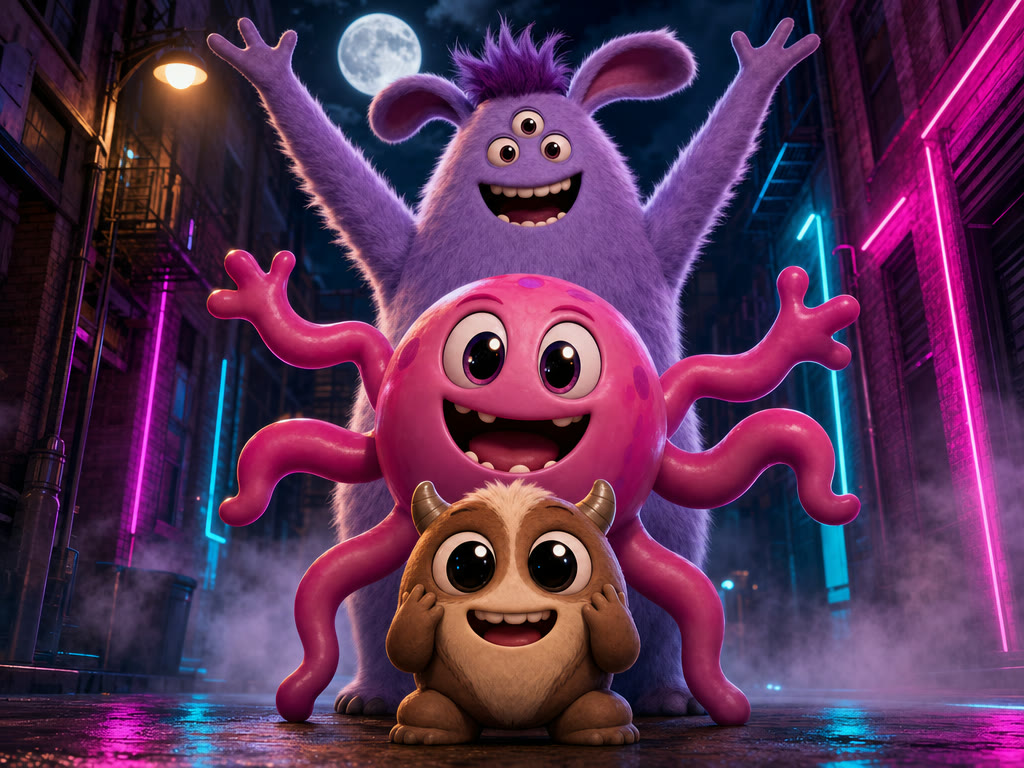
Viral-dance short — your cast, any dance, 10 seconds
The fastest flagship. Pick 2-5 original characters, pick a dance style, pick a setting — get a TikTok-ready 10-second vertical reel. One ensemble keyframe → one 10s i2v animation → one music bed → one bold caption overlay. The playbook explicitly refuses IP-character likenesses (Pixar/Disney/Ghibli/anime franchises) and rewrites copyrighted choreography names into abstract movement primitives (sway, hop, arm-wave) that AI video models can reliably render. Example: MONSTER DANCE CREW — three original monsters under neon, synchronized shuffle, ~$1.70 end-to-end.
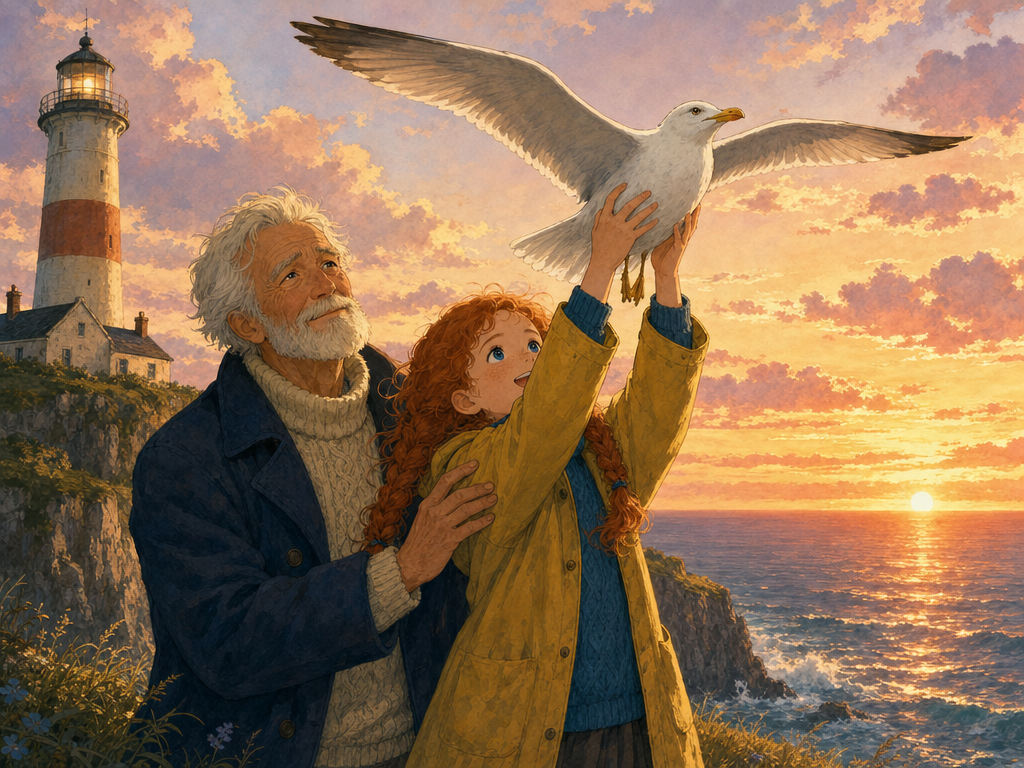
Story-to-screen — paste a story, get a webtoon or an animated reel
The adaptation flagship. Paste an essay, a short story, a fable, or a children's book up to ~2,000 words — get a vertical webtoon, an animated narrated reel, or both. The agent extracts the cast from the prose, locks the ~30-word character spec verbatim into every panel prompt, picks 6–12 visual beats, generates the keyframes with one style sentence repeated across all of them, and (for animated mode) narrates the prose to time + scores it gently + Ken-Burns-pans each panel into a vertical reel. Refuses copyrighted prose verbatim — paraphrase or paste your own writing. Example: THE LIGHTHOUSE BIRD — an original 180-word short story rendered as both a 6-panel Ghibli-watercolor webtoon AND a 73-second narrated reel.
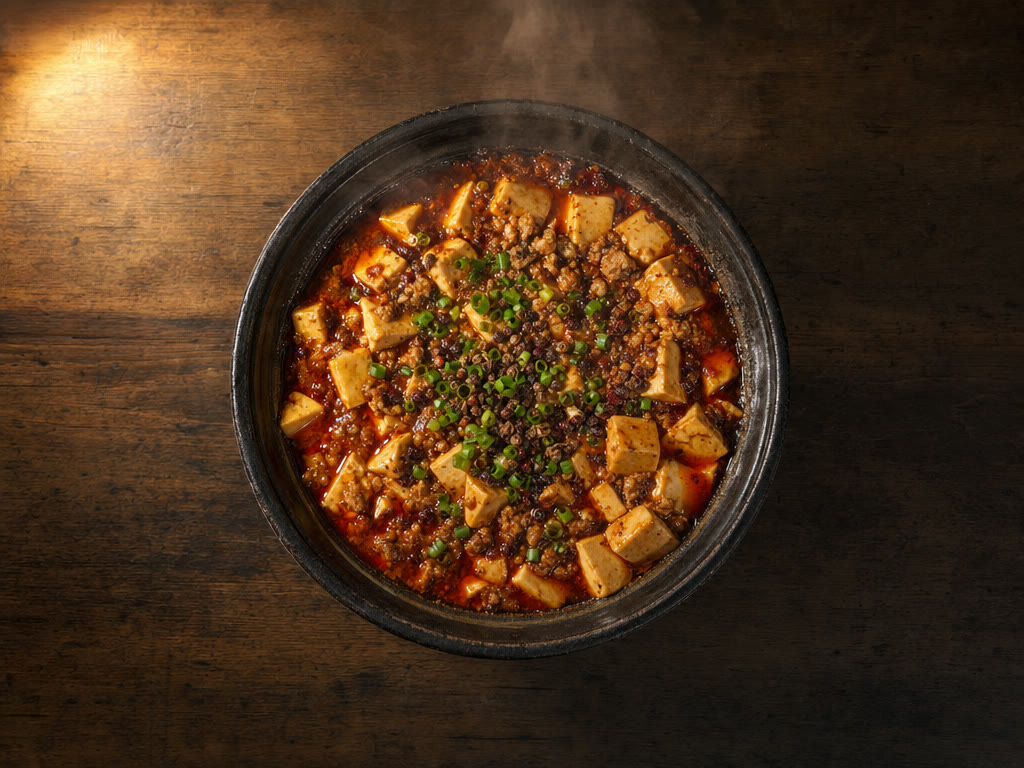
Local-food short — one dish, one language, one minute or less
Soft, slow, warm. Pick a famous local dish + a target audience language; the agent writes the script natively in that language, generates 6 cinematic shots, narrates with gemini-tts in a native voice, burns in same-language captions, scores with culture-appropriate music, and stitches the whole thing into a 9:16 short ready for TikTok / Douyin / YouTube Shorts / Reels. The review-gate softens the script for warmth before any expensive render fires. Example: 麻婆豆腐 — a 30s Mandarin food short voiced in soft Chengdu-inflected Chinese, 14/14 jobs first try, ~$5.12 end-to-end.

Fusion character portrait — one face, N worlds
The maximalist character bible — what AI does that humans cannot. One character identity (face + pose + light) held constant; N east-meets-west cultural fusion lenses (palette + ornament + setting) variable. Curated pairings (Ming silk × Vermeer chiaroscuro, Heian kimono × Pre-Raphaelite meadow, Persian filigree × Klimt gold), not stock mashups. 12-cell webtoon-portrait grid + optional 60s subtle-push-in reel with solo-cello score. Example: THE EMISSARY — 12 dignified east-meets-west portraits of one woman, 25/25 jobs succeeded first try, ~$10 end-to-end.
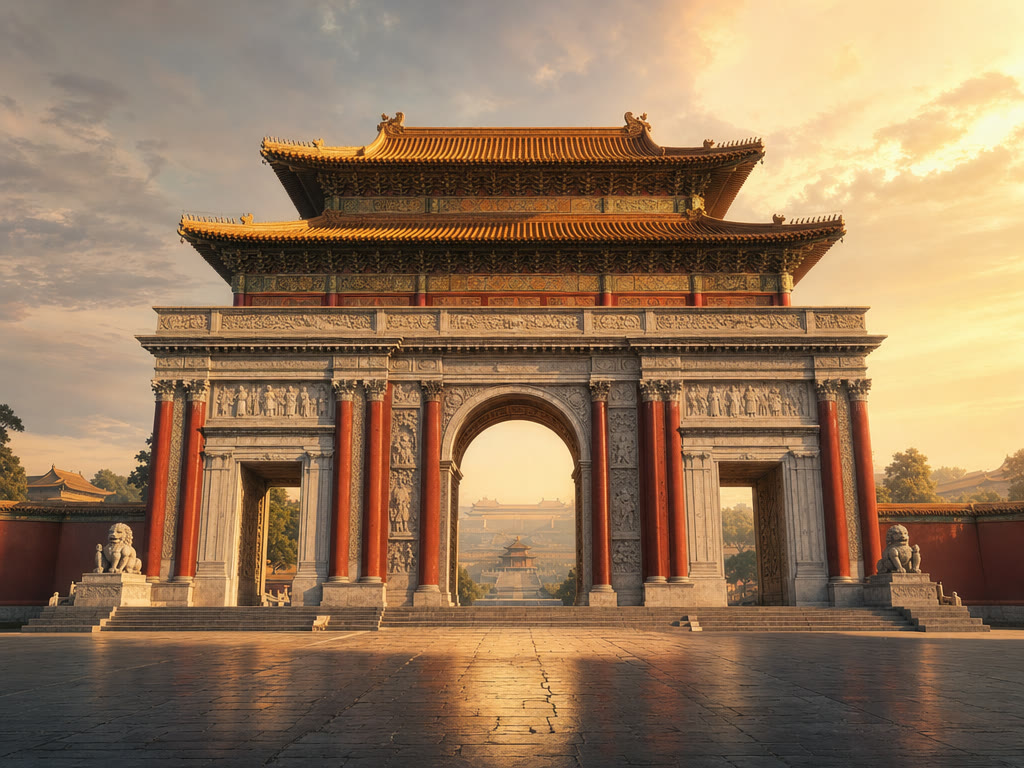
Fusion architecture walk — one building, N alt-histories
The alt-history location bible — what if THIS culture had built THAT structure? Same building silhouette + scale + camera angle + time-of-day held constant; cultural ornament + material + adjoining setting variable. Curated pairings (Forbidden City × Roman triumphal arch, Kyoto temple × Gothic cathedral). 8-cell establishing-shot grid (1920×1080 cinema) + optional 64s slow-pan reel with atmospheric organ-bell score. Useful for game level design, film concept pitches, executive art-bible decks. Sibling of fusion-character-portrait.
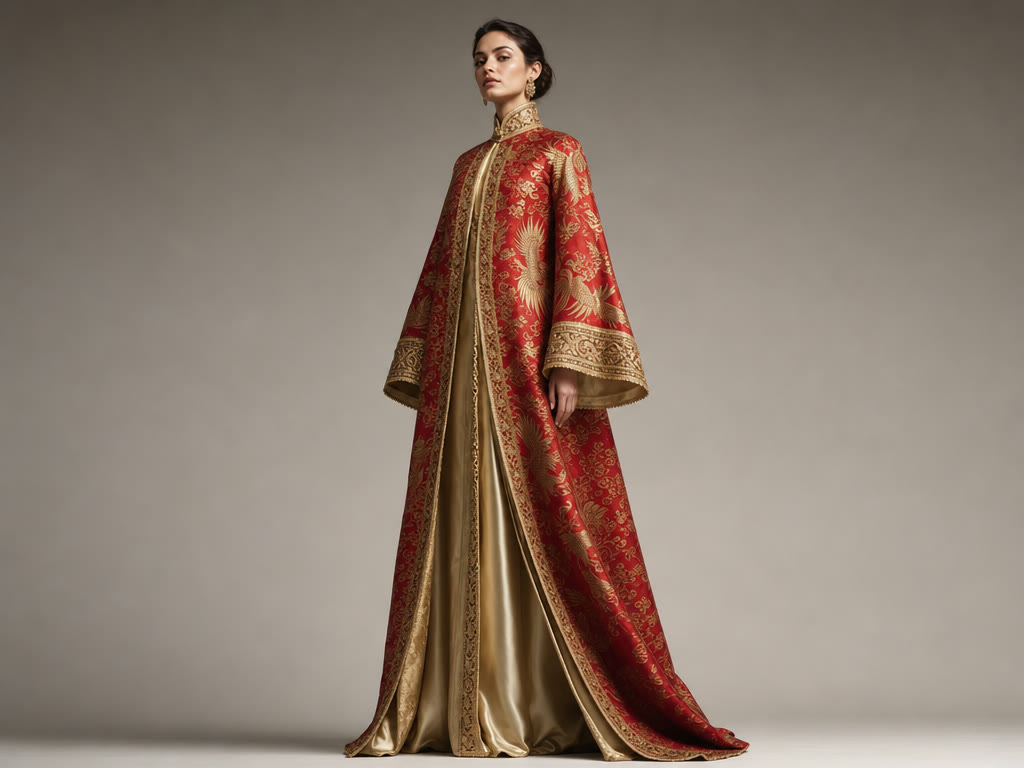
Fusion garment runway — one silhouette, N ornament fusions
The fashion-week cross-cultural capsule presentation — what no single atelier could produce in a season. Same garment silhouette + model proportion + pose + camera held constant; cultural ornament + textile + accessories variable. Curated pairings (Ming silk damask × Vermeer warm palette, Mughal jali × Caravaggio shadow). 10 looks (9:16 portrait) animated into a 60s editorial runway reel with low-pulse bass + string-flourish score. Sibling of fusion-character-portrait.
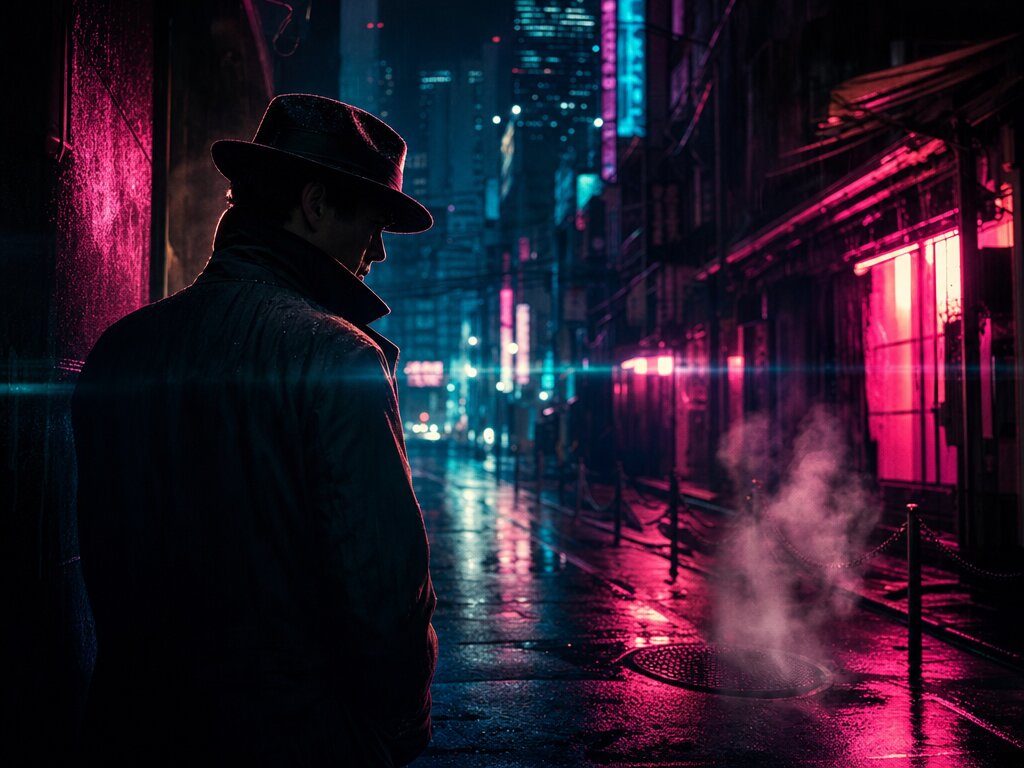
Episodic pilot — same-day, no LoRA
Ship the pilot of a serialized story in a single afternoon. 8 narrative scenes, 90 seconds, 2.35:1 anamorphic widescreen + a 9:16 social teaser + a poster keyframe — anchored to a single character reference, per-scene drift gate, one brand-kit fanout. The Cartoon-Saloon proof-of-concept reel pipeline, run on Storyboard in 2-3 hours.
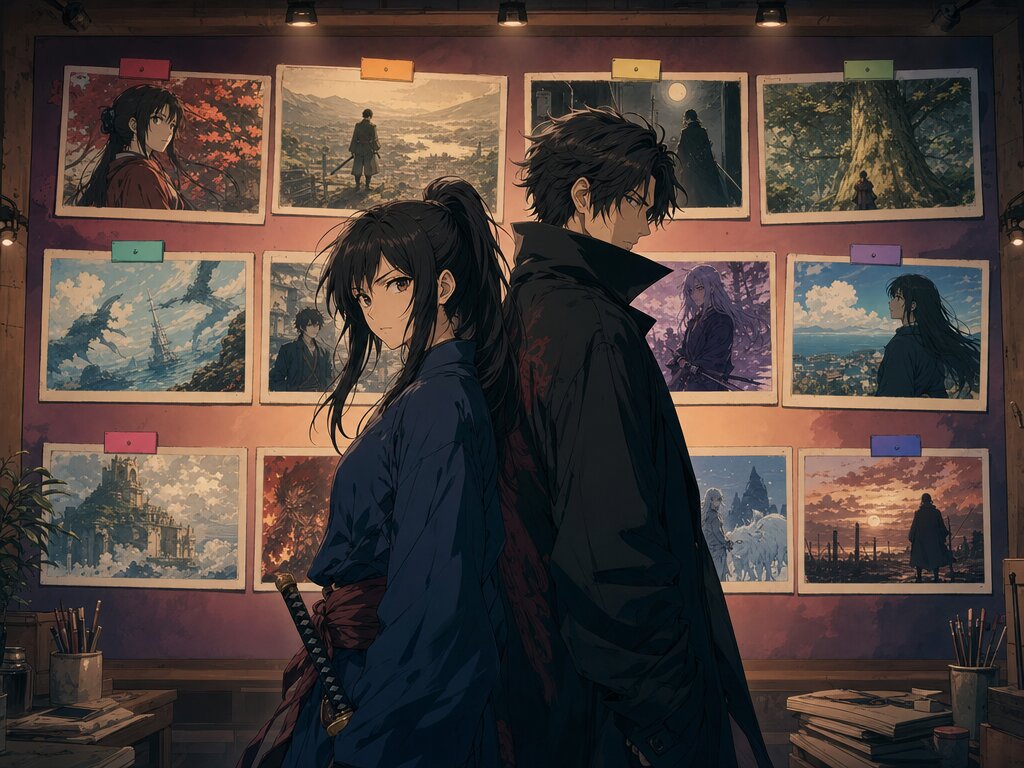
12-episode series — LoRA-trained cast
The quarterly-release flagship. 12 episodes, recurring two-character cast, music-locked finale, one-command 3-aspect export to YouTube + TikTok + Instagram. Trained LoRAs hold identity across 100+ shots; entity routing auto-binds per scene; drift gate halts on identity break; surgical edits via Director v2 leave untouched scenes frozen. The wedge in production form — the show ships every Saturday.
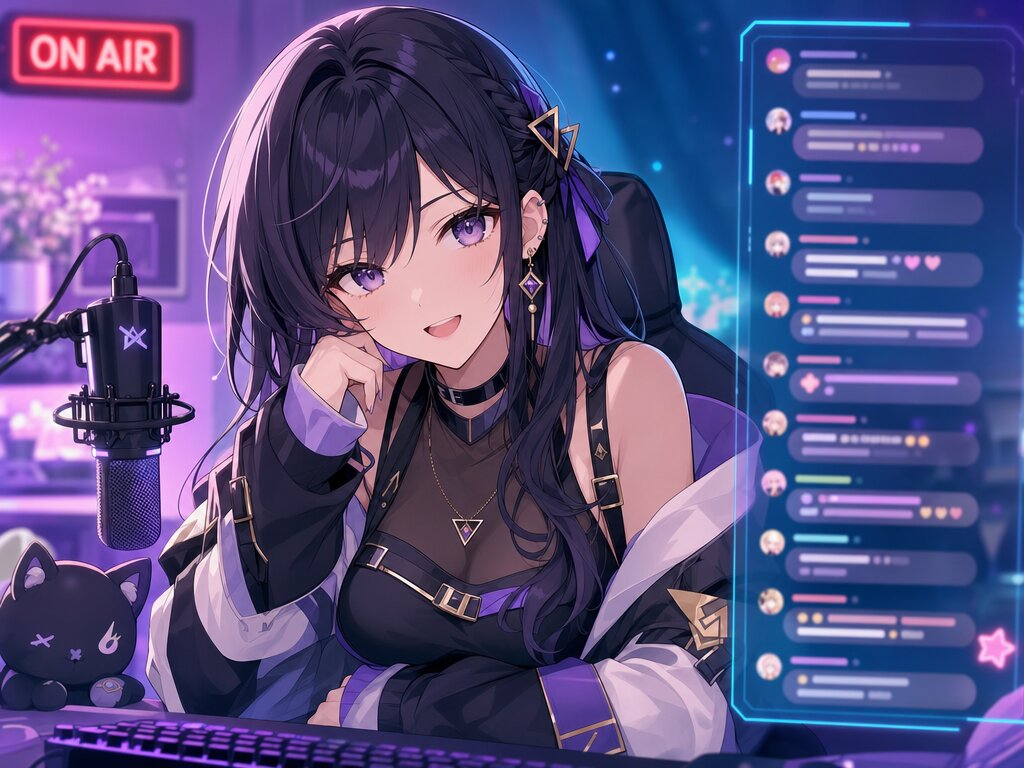
Live cast member — the series persona, live on stream
The brand beacon no incumbent can reach. Bind your trained protagonist LoRA into a live LV2V graph, broadcast on Twitch / YouTube with audience chat driving mood transitions, then feed the best live moments back into the writers' room as canon for the next episode. KV-cache attention bias holds temporal stability at <250ms latency; post-show clipping runs through the SAME brand kit as the recorded series.
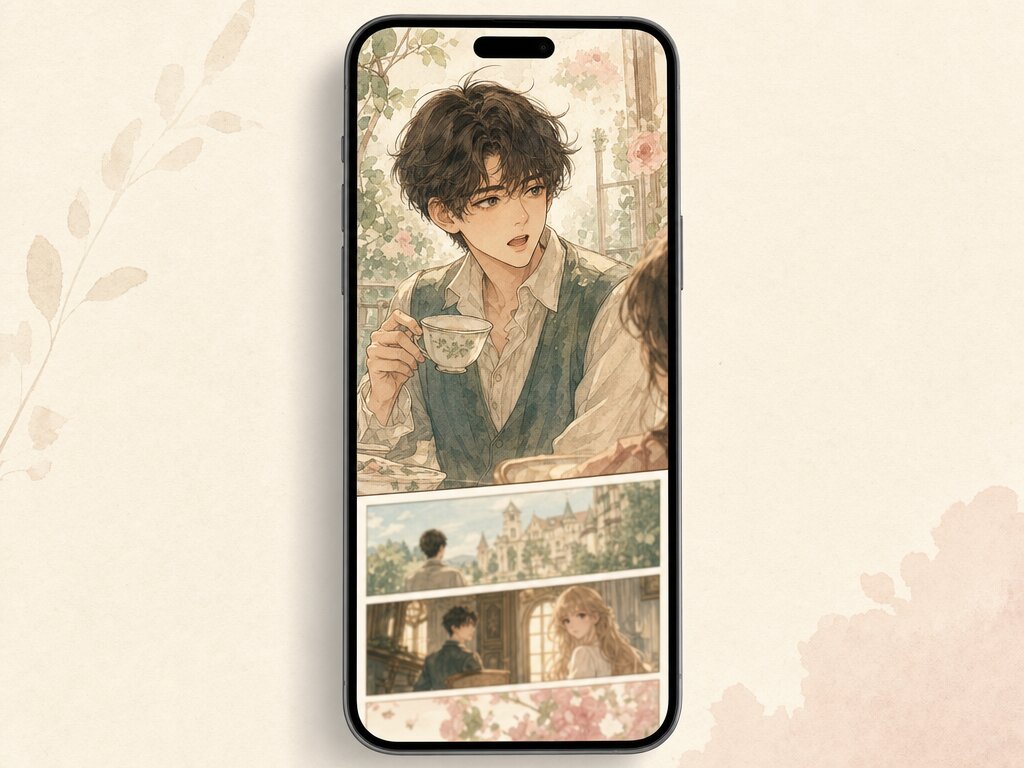
Webtoon pilot chapter — upload to Tapas the same evening
One sitting, one character reference, a Webtoon-spec chapter ready to ship. 12 vertical 9:16 panels with reading-direction composition, dialogue placement clearing focal faces, cover at 1080×1620, single-scroll image at 1080 × ~24000 native to Webtoon Canvas, 30-sec 9:16 social teaser. The Tapas top-100 indie bar in 60-90 minutes.
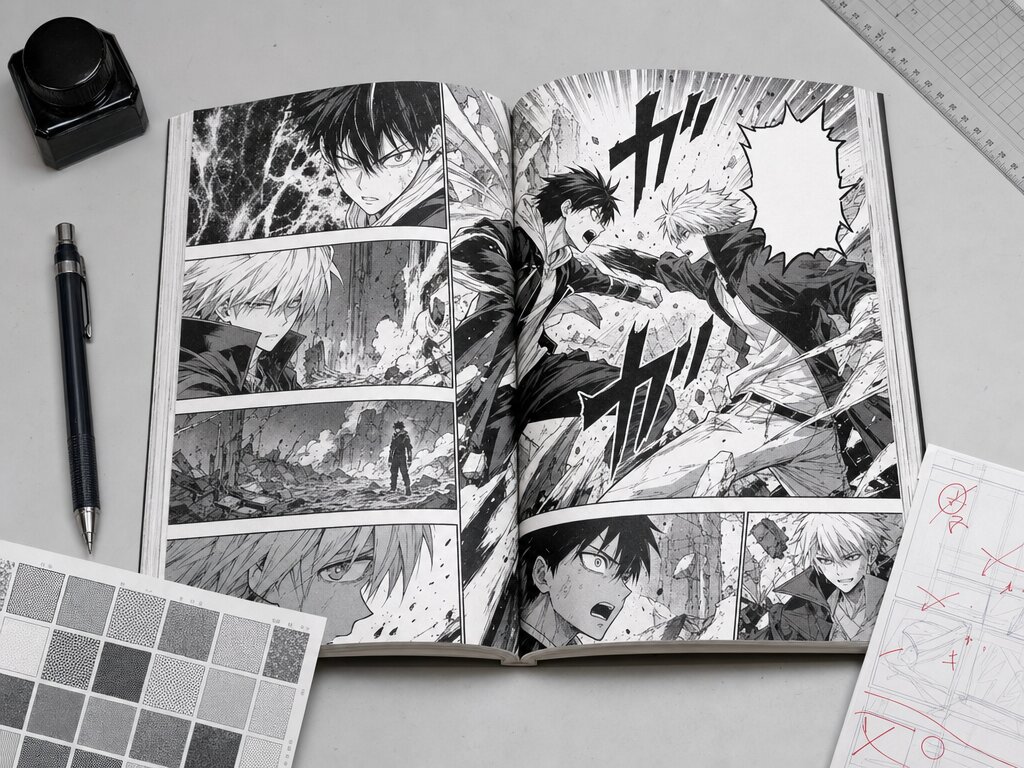
Manga monthly chapter — 5-LoRA cast, Shogakukan-tier
The editorial-submission flagship. 60 black-and-white halftone panels, multi-character ensemble on-modelness via 5 trained LoRAs, table-of-contents, cover, and a chapter PDF for Shogakukan / Shueisha / Tapas / Webtoon Canvas direct publication. Multi-LoRA entity routing handles ensemble panels; the comic-page-layout primitive auto-arranges pages with reading-direction-aware dialogue + SFX placement; drift gate at 0.88 for editorial-tier strictness.
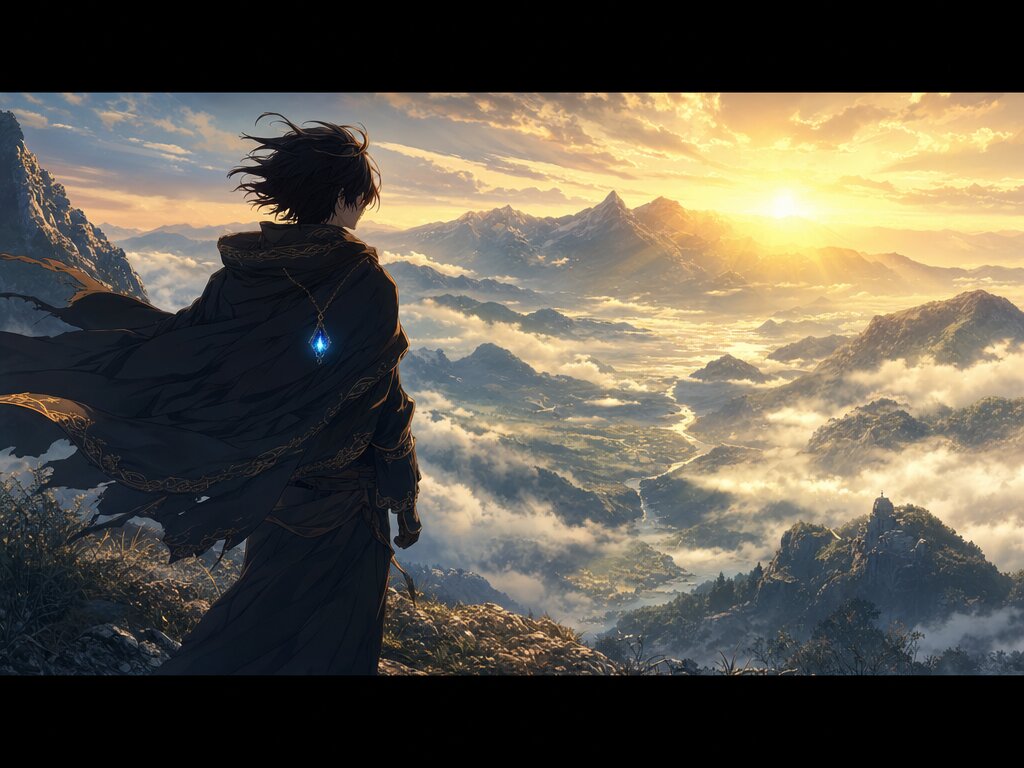
Webtoon → anime trailer — the Netflix pitch reel
An adaptation pre-vis trailer for a Netflix / Crunchyroll / Toho pitch. Canon-trained cast LoRAs from your OWN published panels (the cast is on-model with what fans already love), 14-shot cinematic 2.35:1 storyboard, shot-to-shot motion continuity (END frame of shot N → START of shot N+1), beat-locked climax to a licensed temp track, and a one-link press kit with the trailer + 5 key-art stills + a 6-frame contact sheet. The 60-sec sizzle a WIT pre-vis team delivers in a week, in 1-2 days.
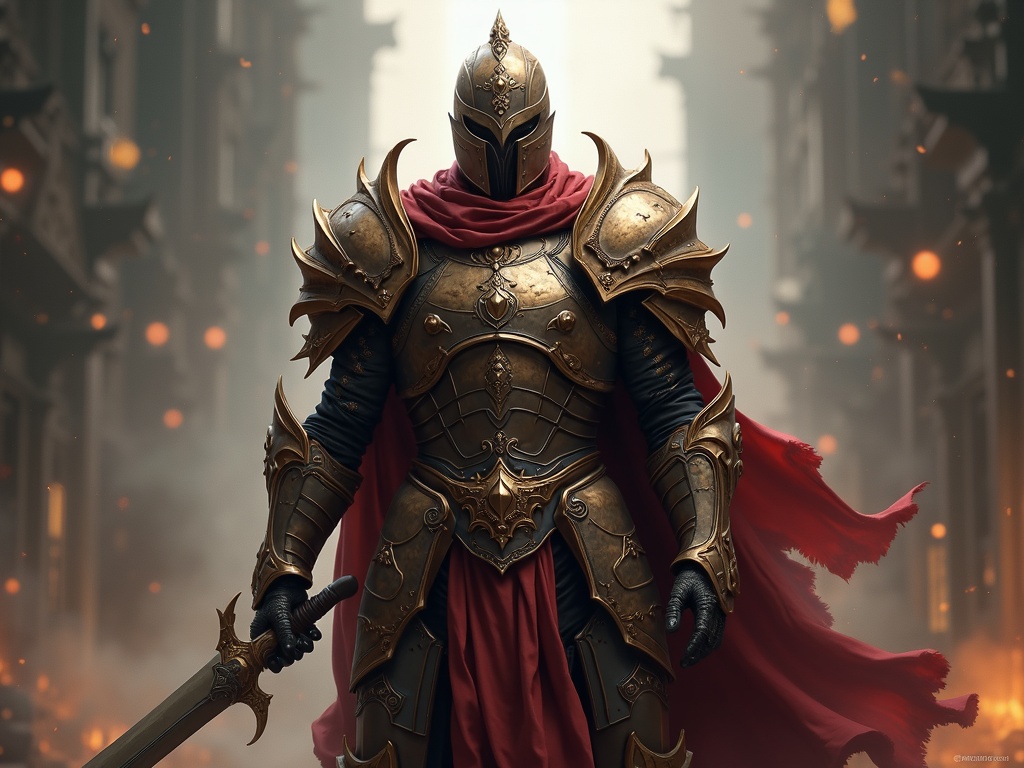
Character design — the flagship
A professional character design pipeline in 60 minutes. Silhouette test → color script → 8 rendering styles → 4-view anchor → materials study → equipment → 8 microexpressions → 6 poses with silhouette discipline → lighting study → cinematic key art → 12-frame turntable → animation-ready model sheet → character bible HTML. Built to rival Midjourney character-ref, Krea character mode, and the Pixar character-bible methodology — not match them.

Product launch — brand drop in 25 min
A complete launch package from one fill-in form: brand kit, 5 hero shots, 12-slot moodboard, 4 lifestyle scenes, 30-second cinematic ad (IG + TikTok), caption pack, and a 6-slide briefing deck.
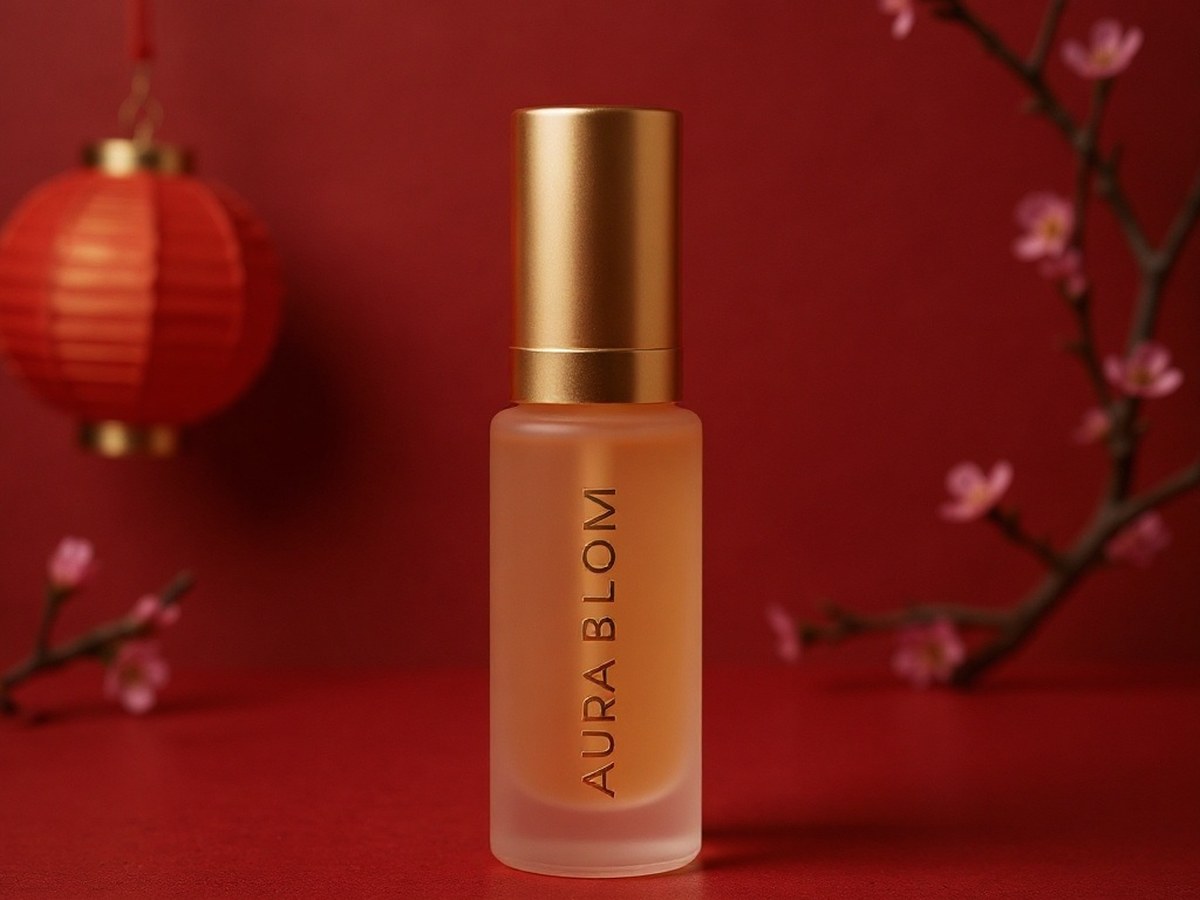
Seasonal capsule — your brand, the occasion
Take your existing brand kit and produce an occasion-themed capsule — Lunar New Year, Pride, Diwali, Halloween, Christmas. Keeps the brand DNA; shifts palette and props.
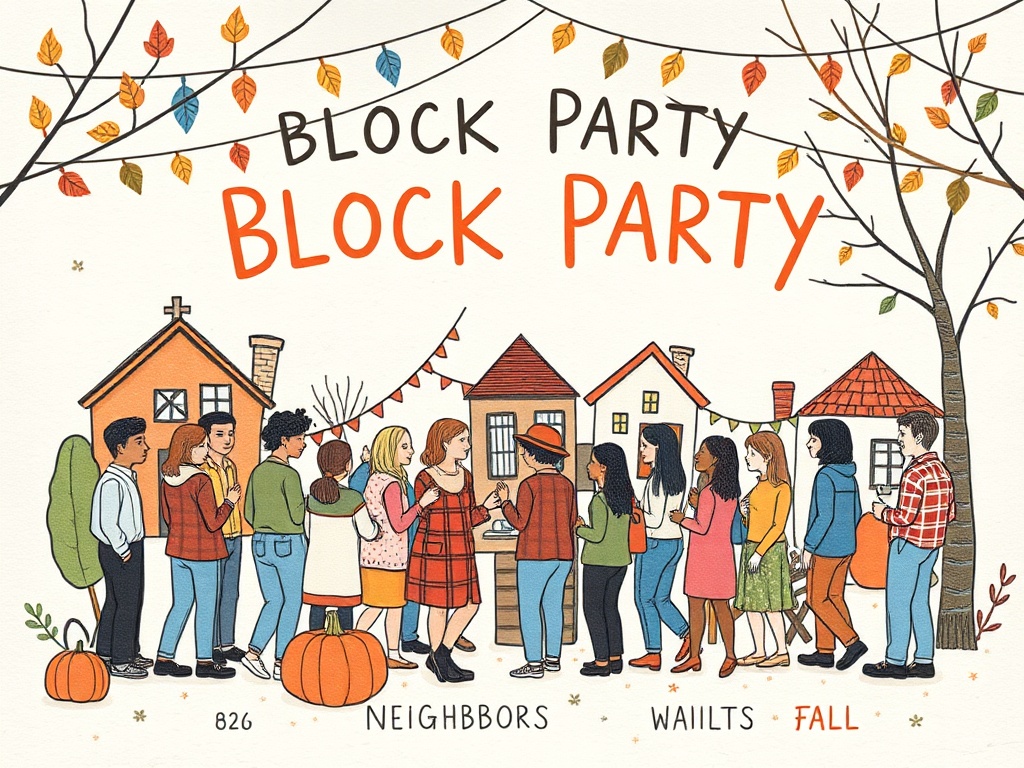
Community event — poster, flyer, the day
Block party, PTO fundraiser, library reading hour. Plain warmth, no commercial polish — an A4 print poster, a 5-slot Instagram carousel, an RSVP page, and a WhatsApp share-pack with two pre-written messages.
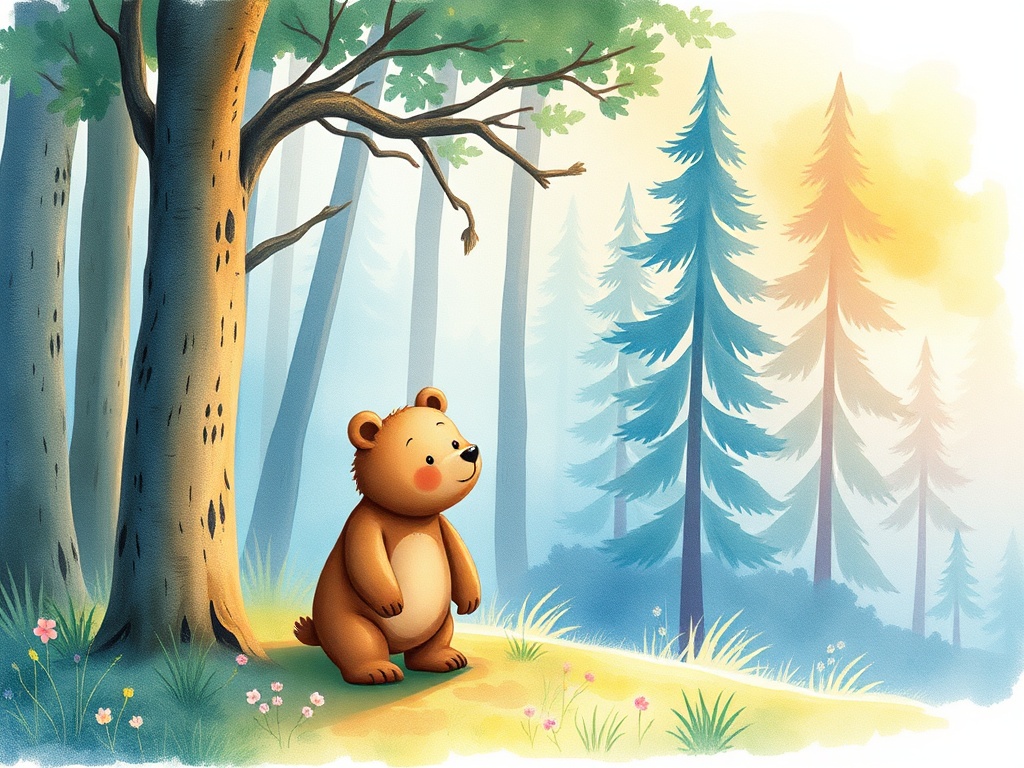
Kids' storybook — 8 pages, bedtime-ready
An 8-page illustrated children's book with the same character on every page, narrated TTS audiobook, and a flip-book HTML for the tablet — plus a print-stylesheet version for a physical booklet.

Charity appeal — trust over polish
A year-end ask. Restraint is the aesthetic — warm slow narration over 90 seconds, an impact infographic with legible numbers, an email-ready letter, thank-you postcard, and a donation landing page with Stripe link.
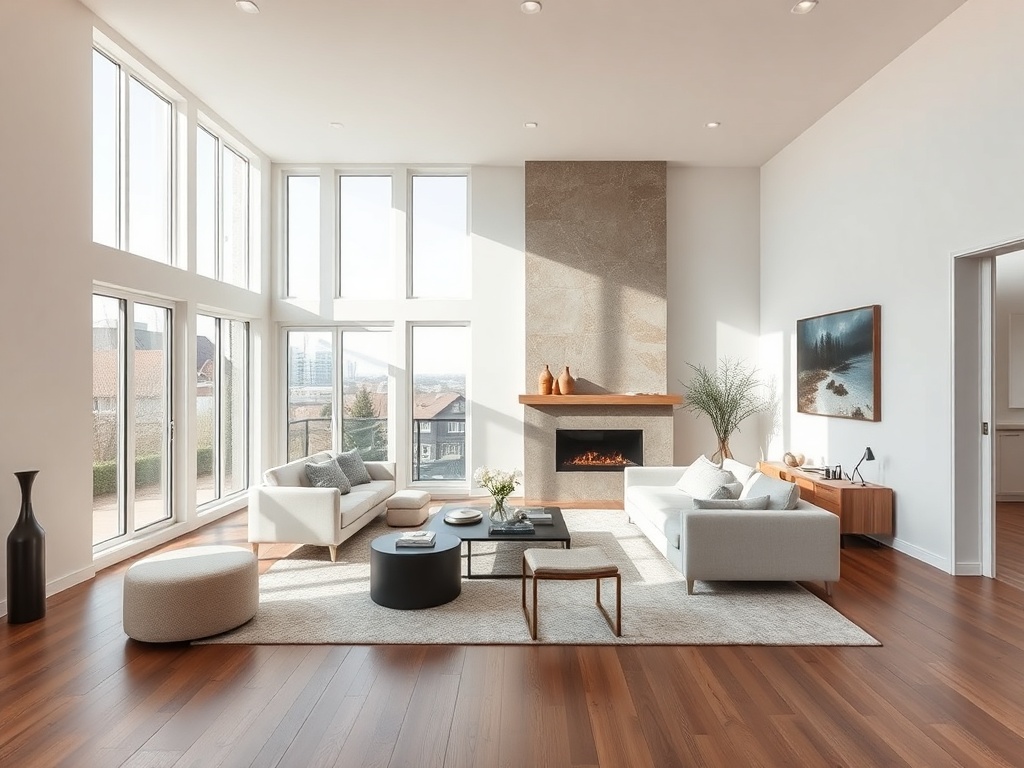
Real estate listing — list-ready in 25 min
A complete listing package: 8 virtually-staged interior shots (place_subject on empty rooms), exterior hero, walkthrough video, open-house flyer, MLS description, and a social tease pack. The killer move is virtual staging — same shots, with furniture.
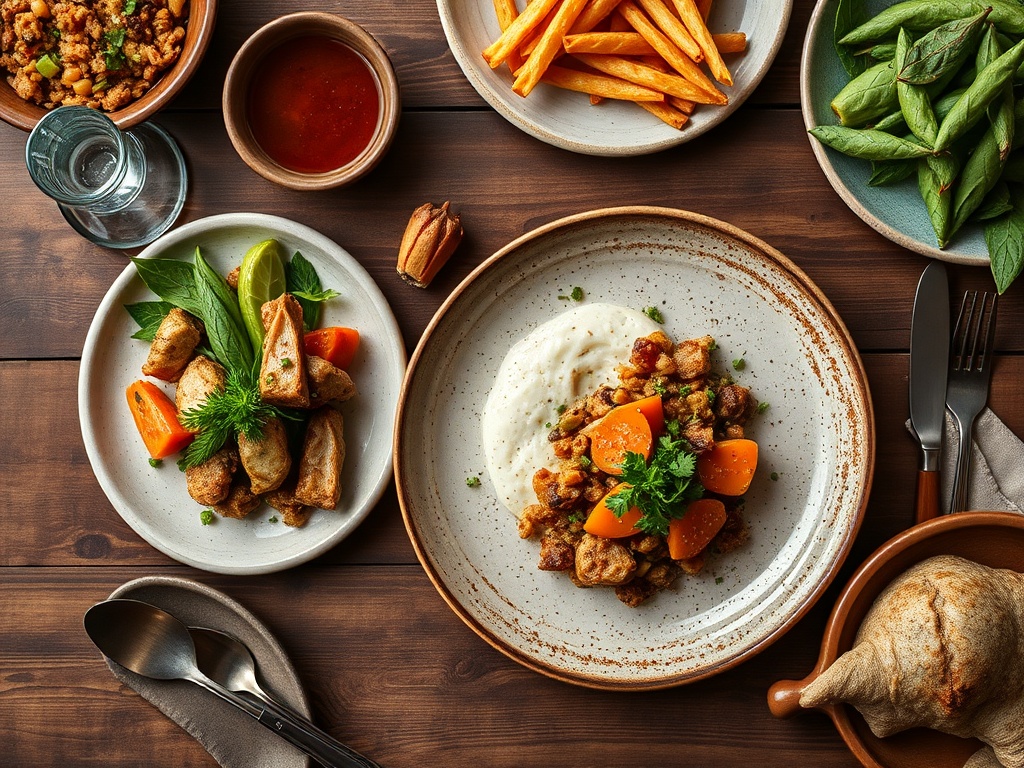
Restaurant menu refresh — 12 dishes, one house style
A seasonal menu's worth of dish photography. The hard part of restaurant photography isn't any single dish — it's getting 12 dishes to look like the same restaurant. The critic verdict catches plating drift before you ship.

E-commerce product set — 1 SKU, 5 lifestyle contexts
Take your single white-bg product shot and produce the same product across 5 lifestyle settings via place_subject. Plus a scale-reference, a texture close-up, and a carousel. Listing-page ready.
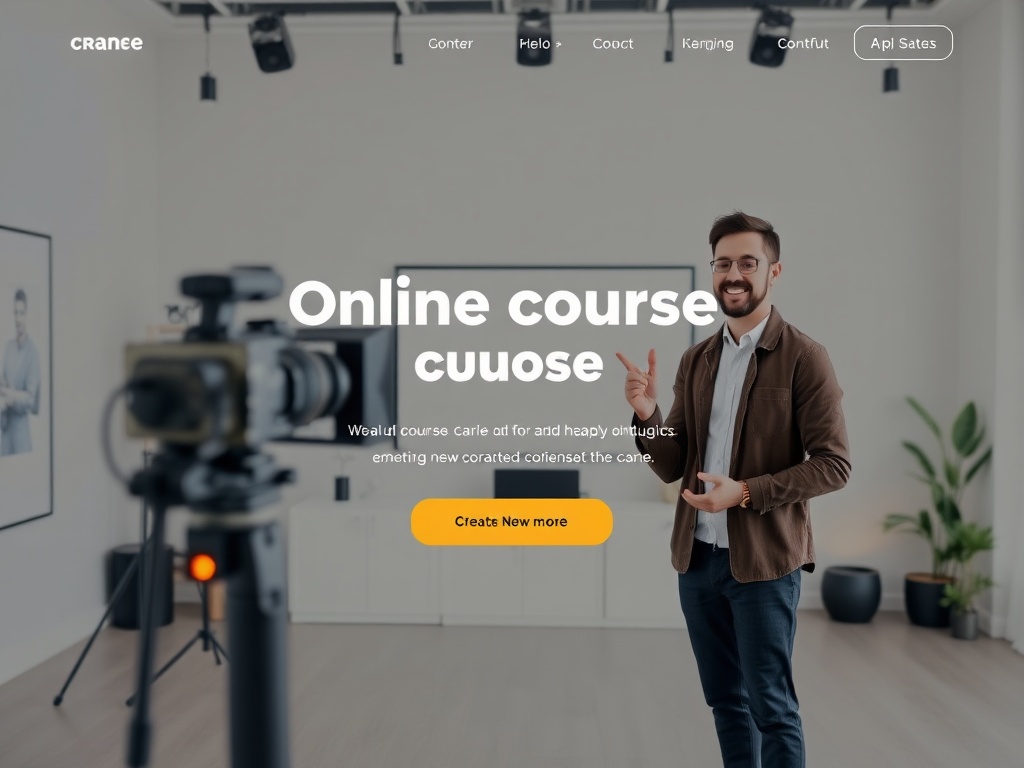
Online course launch — sales page + 8 lessons
Course cover, 6-8 lesson thumbnails with the same instructor face on every one (anchor or LoRA), a sales-page hero, intro-video keyframes, email-sequence images, and a social tease pack. Built for creators who teach.

Personal brand — your face, a week's worth
Train a LoRA from your photos OR build a character anchor, then ship a week's worth of consistent-face content: LinkedIn cover, 5 headshot variants, 7 weekday post images, a monthly cover. The hardest thing to do manually.
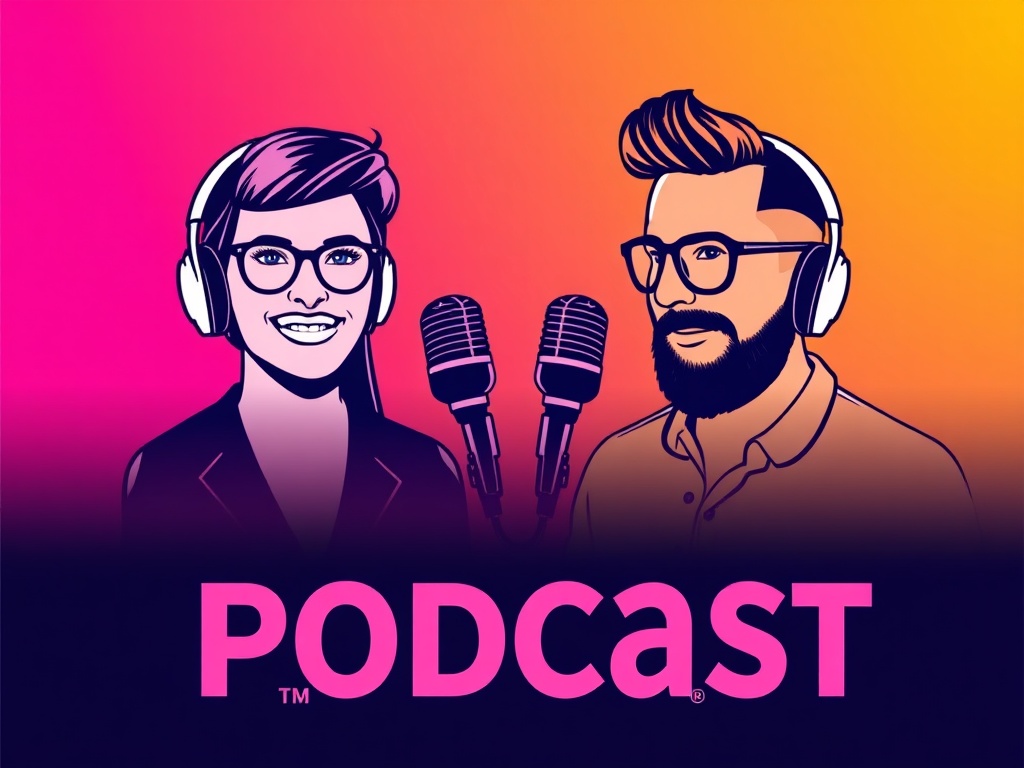
Podcast launch kit — cover, episodes, sponsor deck
Spotify/Apple-ready 3000×3000 show art, 6 episode-cover templates with placeholder slots, audiogram templates (16:9 + 9:16), per-episode social tease cards, and a sponsor media kit. Brand-locked across everything.
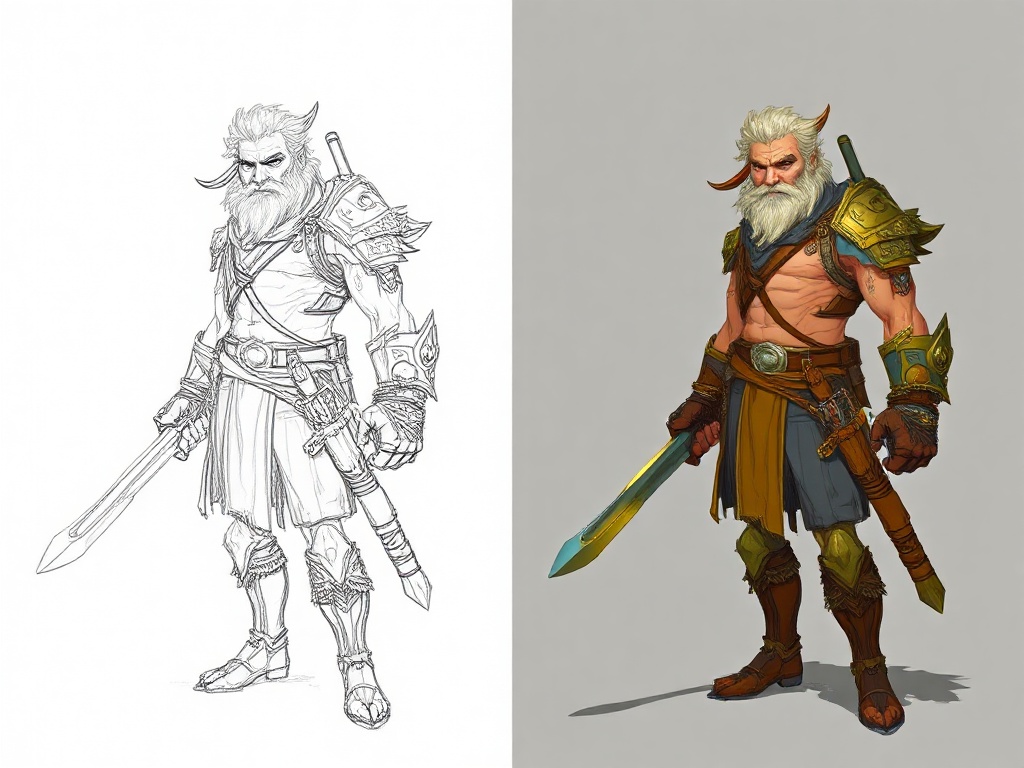
Sketch to portfolio art — your lines, finished
Drop a sketch and the agent locks your line work via controlnet-canny, sweeps four rendering styles, then ships a 6-8 piece variation grid + hero rendering + before/after + gallery page.
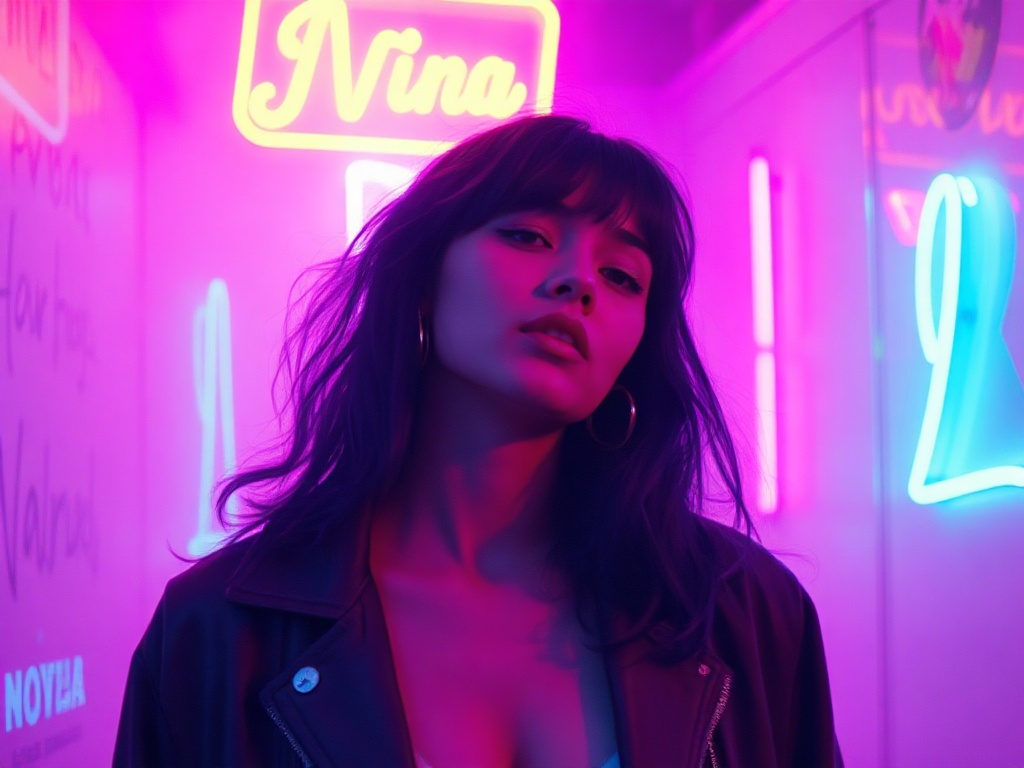
Suno song to music video — beat-mapped, scene by scene
Hand the agent your Suno mp3 and it extracts BPM + sections, generates 8-12 beat-mapped scenes, animates each one, and stitches the full 16:9 video plus a 9:16 short and key art.
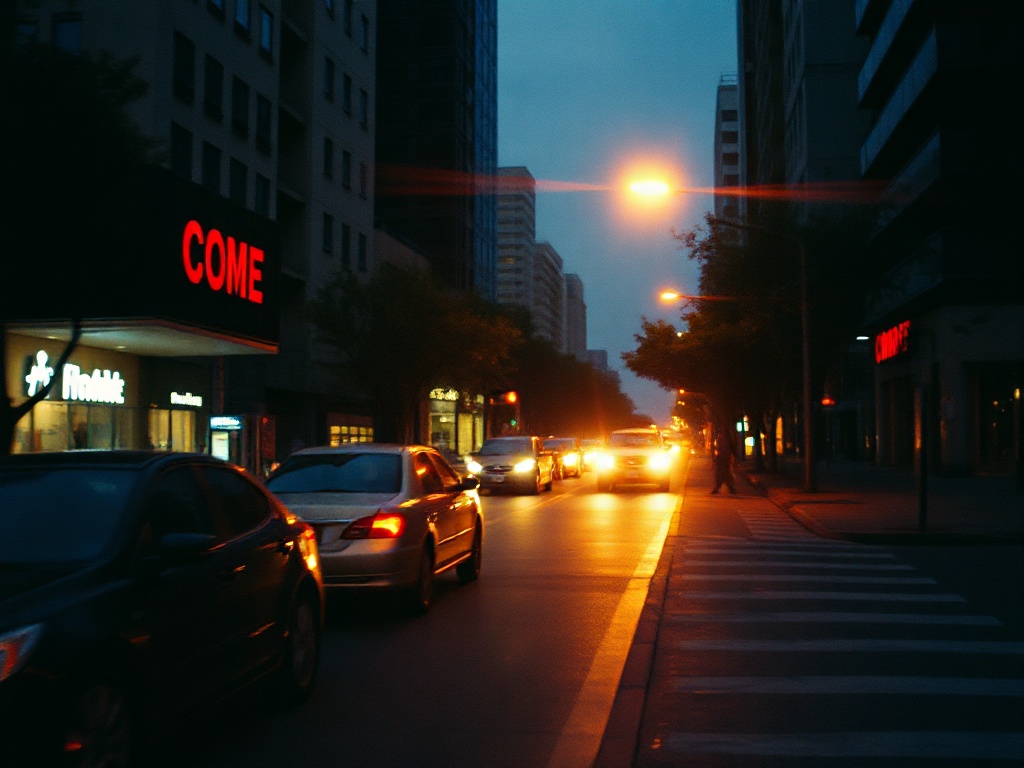
Phone clips to cinematic short — ffmpeg, not magic
Upload your raw phone footage and the agent trims, color-grades via LUT, beds music, and ships a finished 16:9 + 9:16 cut with optional burned subtitles and a credits screen. Mostly cheap ffmpeg.
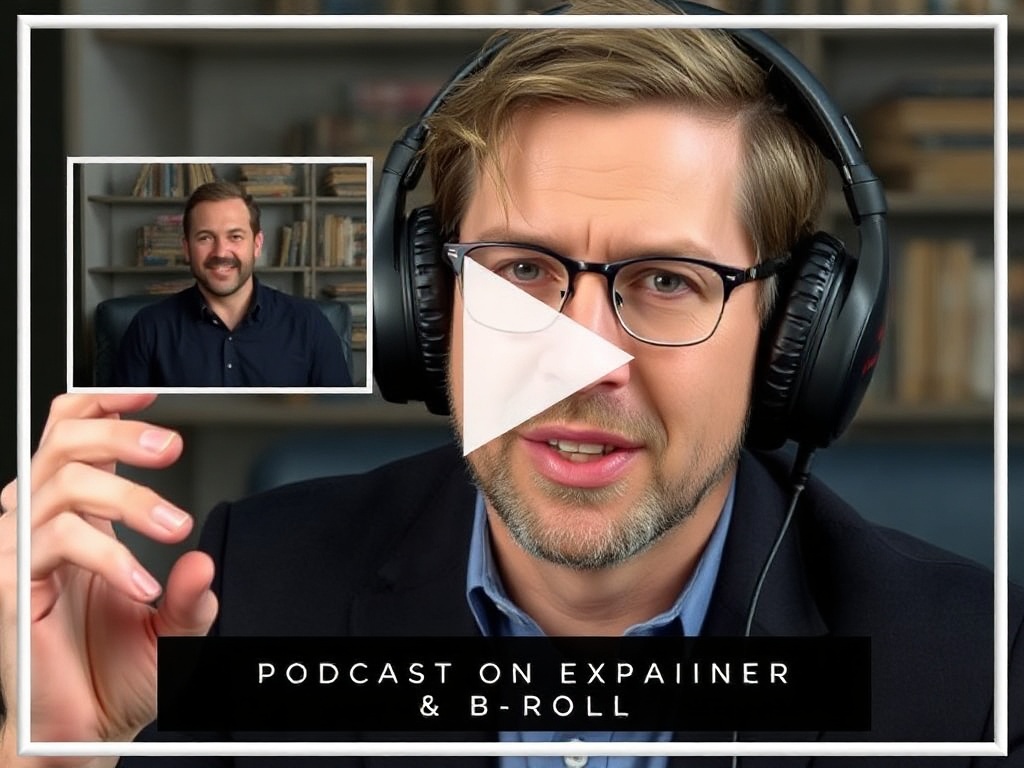
Voice memo to explainer — the walking-idea workflow
Drop a voice memo and the agent transcribes, generates 4-8 brand-locked B-roll frames timed to phrases, burns captions, beds music, and ships a final MP4 plus a 15-20s tease.
Podcast highlights — episode to social pack
Feed the agent your episode audio + highlight timestamps and it ships 3-5 audiograms, updated cover art, an episode summary card, an SRT subtitle file, and a 3-up quote-card pack.
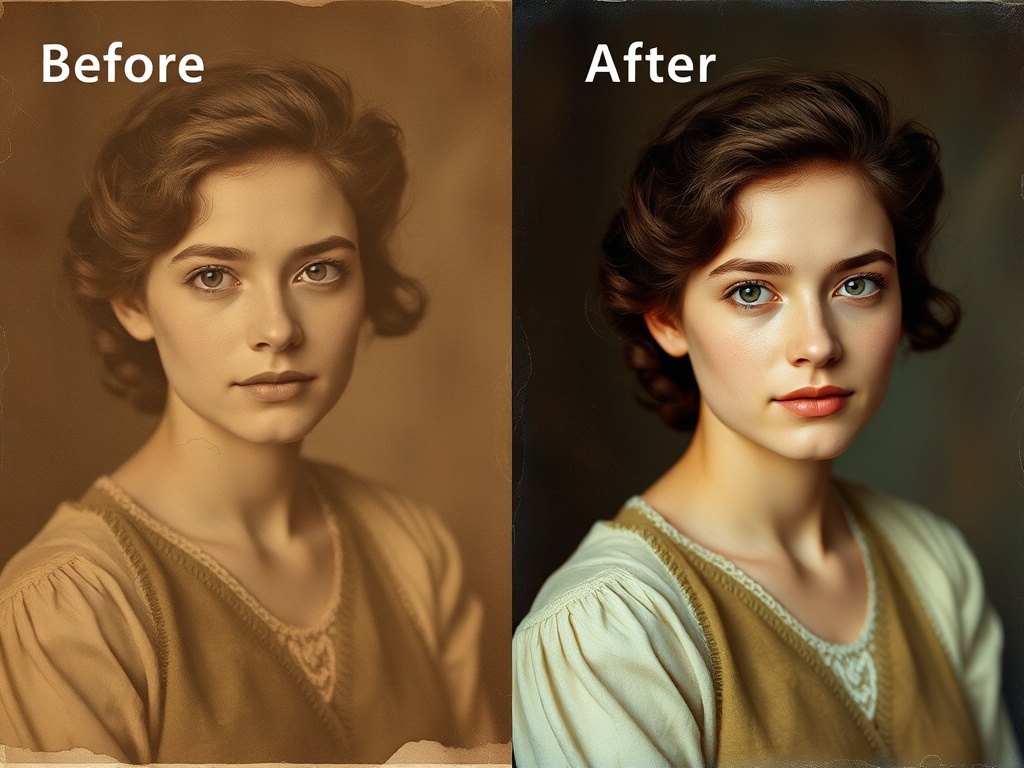
Photo restoration — living memory, faces preserved
Upload an old family photo and the agent ships 3 restoration versions, a 4x upscaled master, a 5s gentle-motion loop, a memorial caption version, and a then/now side-by-side. Faces never altered.
Screen recording to tutorial — Loom-grade, no subscription
Feed the agent a raw screen capture and it trims filler, burns captions, cuts in 3-6 brand-locked B-roll frames, adds chapter markers + zoom moments, and ships the final MP4 plus a 60s tease.
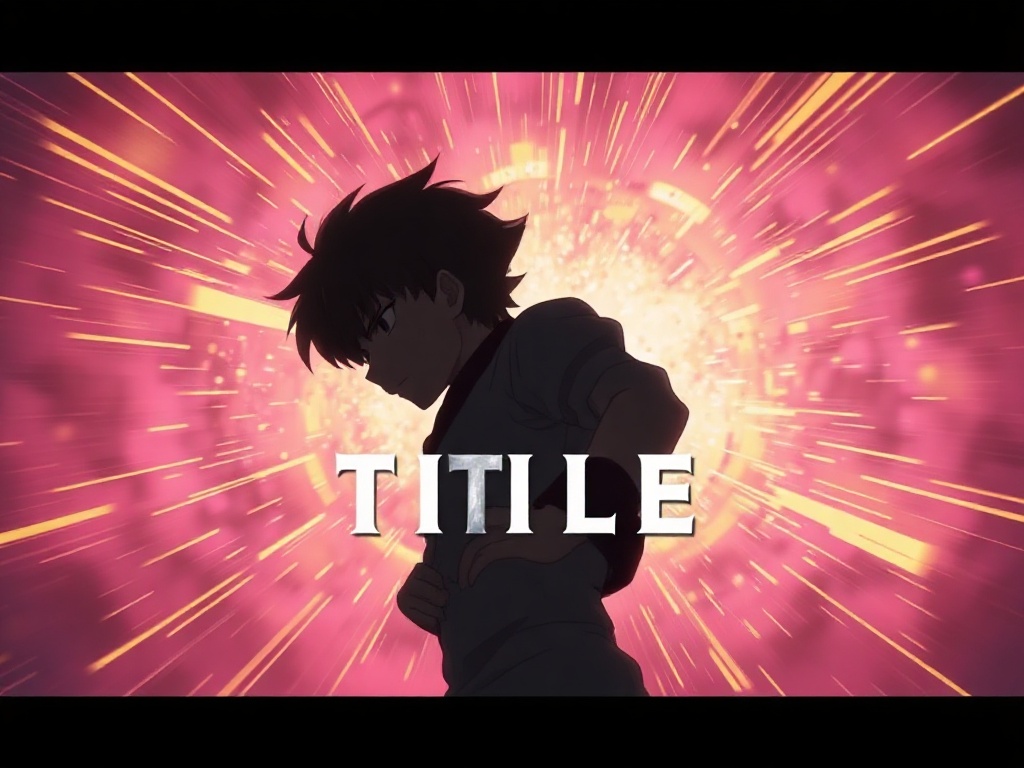
Anime opening — the 15 seconds people loop
A 15-second anime opening title sequence with beat-locked cuts on a character-consistent sequence. Voice-attached cold open, kanji-style title card, 8 character-moment keyframes animated to 1.5s clips, music-synced. The most-watched 15 seconds in anime culture done in 25 minutes.
Game pitch deck — character, worlds, cinematic
A premium pitch deck for an indie game studio. Hero character via the flagship character-design pipeline + 3 environment hero shots + 30s cinematic teaser + 1920×1080 key art, assembled into a scroll-snap HTML deck the publisher's exec can review on their phone. Matches what a freelance concept studio charges $15k for.
Series bible + pilot — what lands on a network exec's desk
A 4-episode bible + pilot episode key frames. Protagonist + antagonist anchors, world brief, LLM-written character bibles, 10-12 pilot key frames with cross-shot critique gating drift, cinematic key art, optional 30s sizzle reel. Stays on a Sundance Episodic Lab reviewer's desk for four weeks.
Animated music video — every cut on a beat
Take your indie track and turn it into an animated music video where every cut lands on a downbeat and the character stays locked across the whole song. Beat-extracted song → narrative arc mapped to song sections → 8-12 character-locked keyframes on the accents → seedance-i2v clips → dual 16:9 + 9:16 export for Reels/TikTok.
Animated comic page — 6 panels, character locked
A 6-panel comic page with the protagonist locked across every panel. Hyperframes-caption lays in dialog bubbles (not in-image text — solves the AI-text-rendering problem); ffmpeg-grid composes panels into a single page. The single hardest problem in AI-assisted comic creation today, solved.
The methodology — add the next playbook
Same skeleton across all five: Brief → Brand Kit → Beats → Deliverable → Aftercare. Three variables differentiate verticals — aesthetic posture, capability mix, aftercare channel. A new playbook (movie storyboard, game pitch, government briefing, personal brand) takes 2–3 hours.
Read DESIGN.md →