THE RED BIKE a tiny story in 90 seconds
A grandfather, a granddaughter, and a red bike — a warm setup, a quiet turn, and an emotional payoff. The format lives or dies on one thing: the same people in every frame. This page shows both how it lands when you lock the cast, and how it falls apart when you don't.
character_anchor URL, and restate the wardrobe in every prompt. Scroll down to the consistency lesson to see what the default auto-anchor did instead.
Finished reel — the stitched short
All 5 anchored scenes · 50s · animated on seedance-i2v, warm inworld-tts narration over a looped, ducked piano score — full-length audio, no silent tail.
The 5 beats — the anchored (good) set, rendered on flux-dev
Each beat is a native 9:16 still from flux-dev, with the same grandfather and granddaughter held across every frame via the cast-lock recipe. Slow, lingering, warm — setup → turn → payoff.
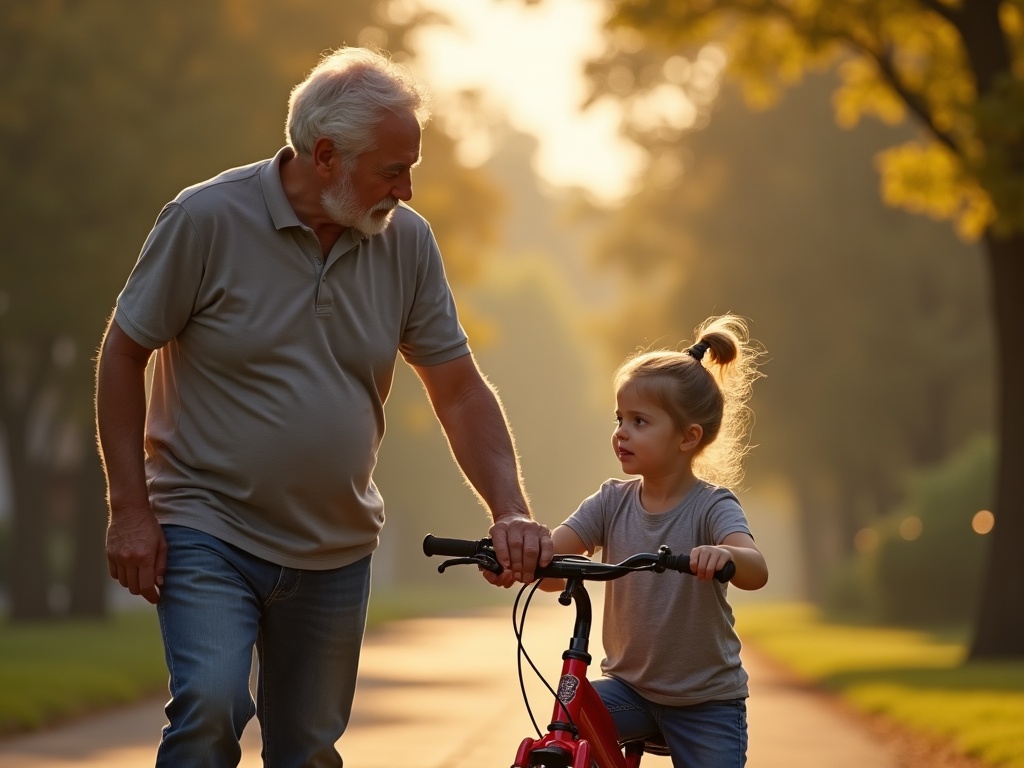
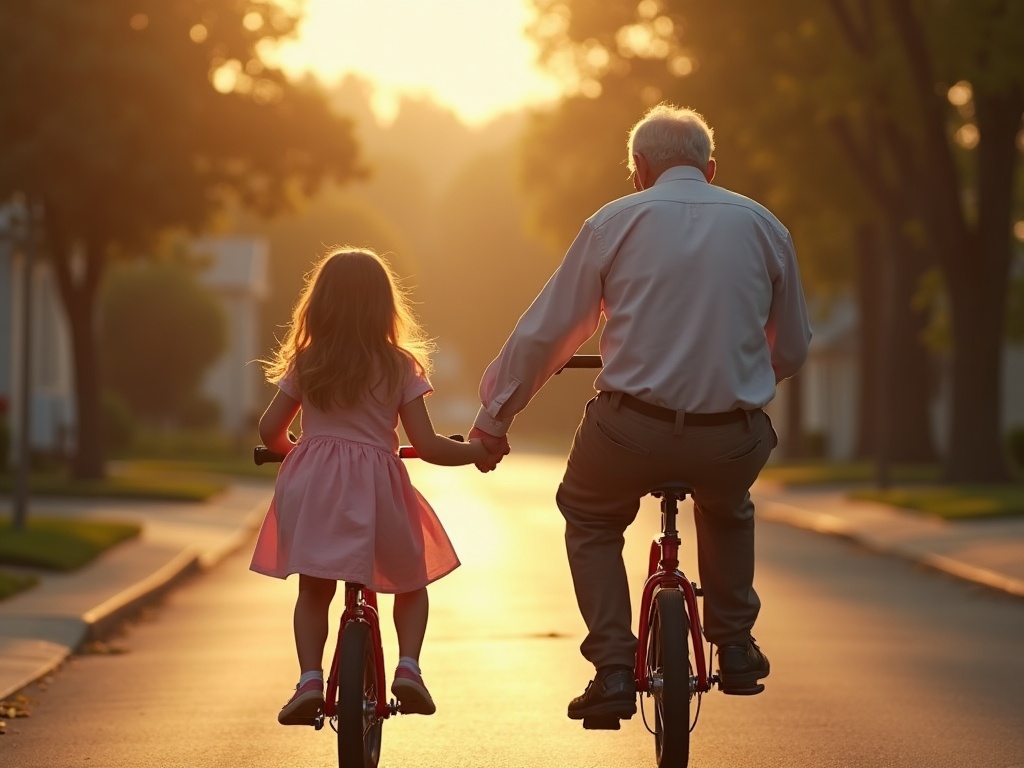
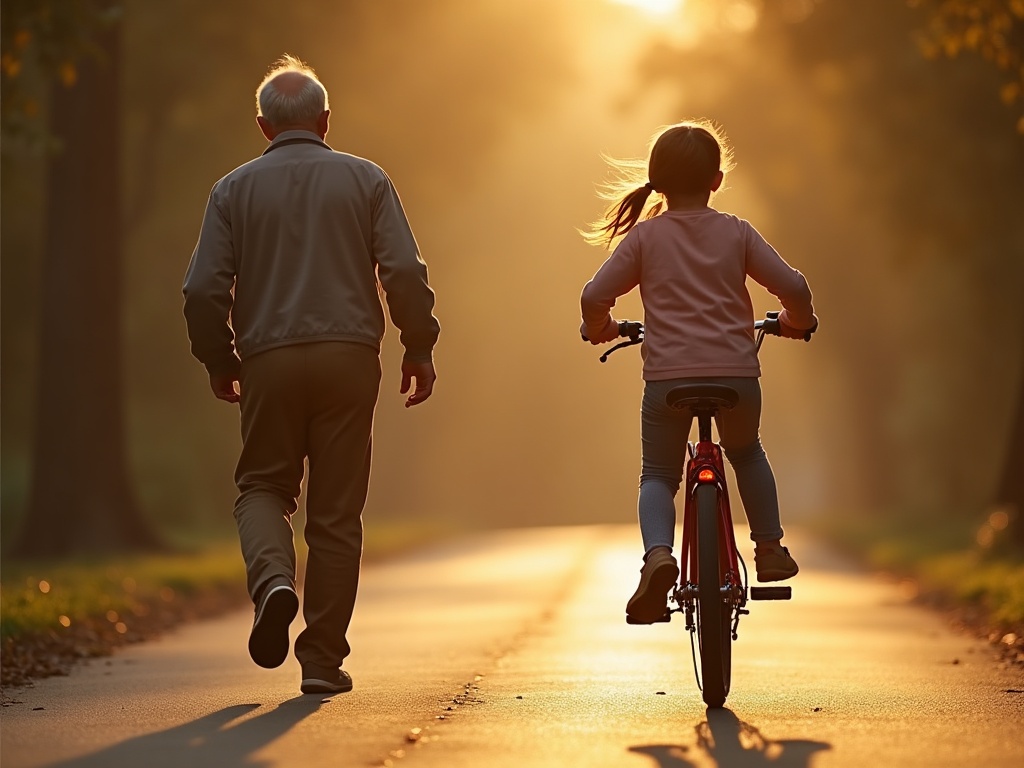


Consistency lesson — the default auto-anchor vs the cast-lock recipe
Same prompt, same model, same scenes — the only difference is whether the cast was locked. On the left, the default auto-anchor. On the right, the anchored recipe. This is the single most important decision in the whole format.
Before — default auto-anchor FAILED
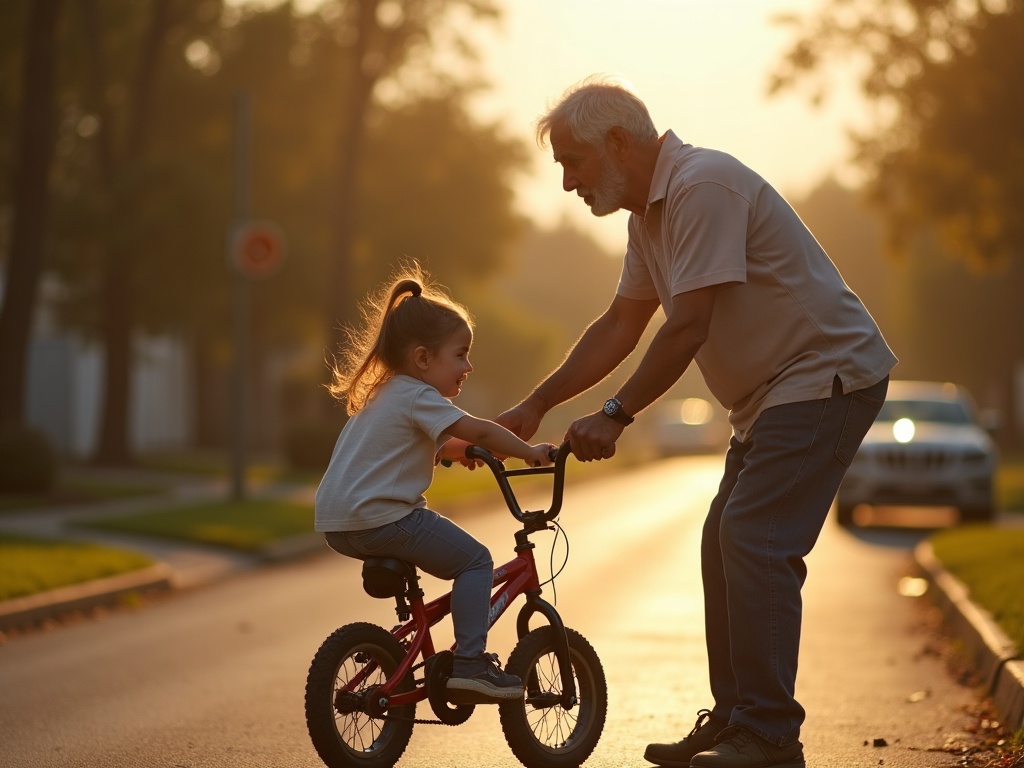
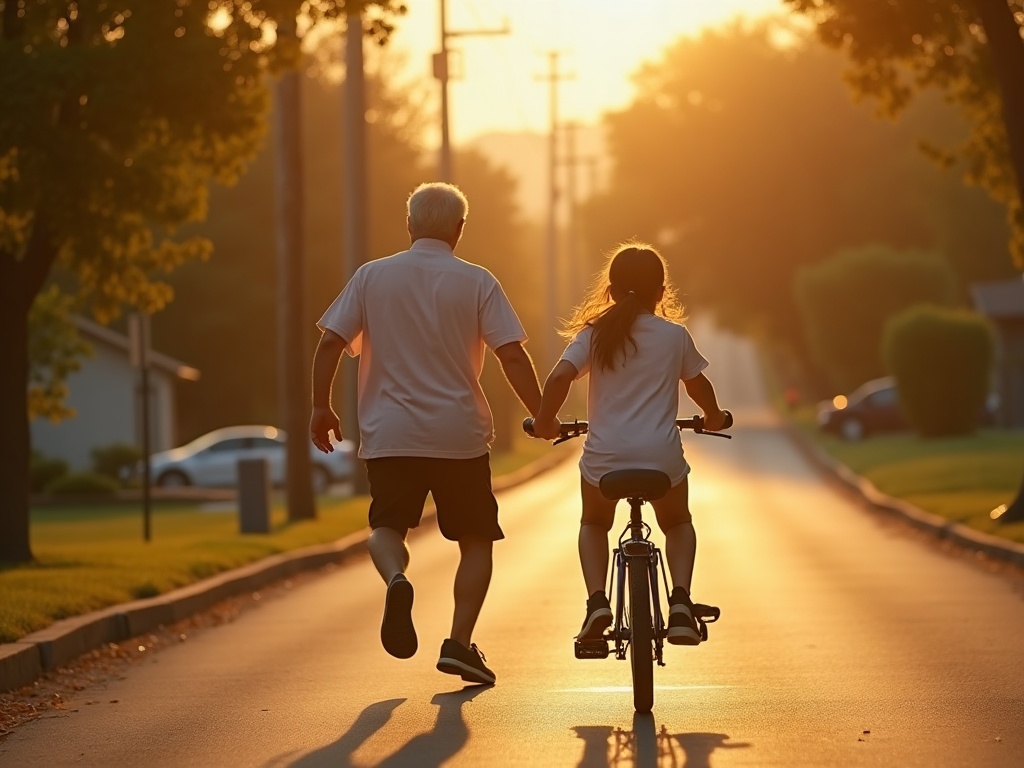
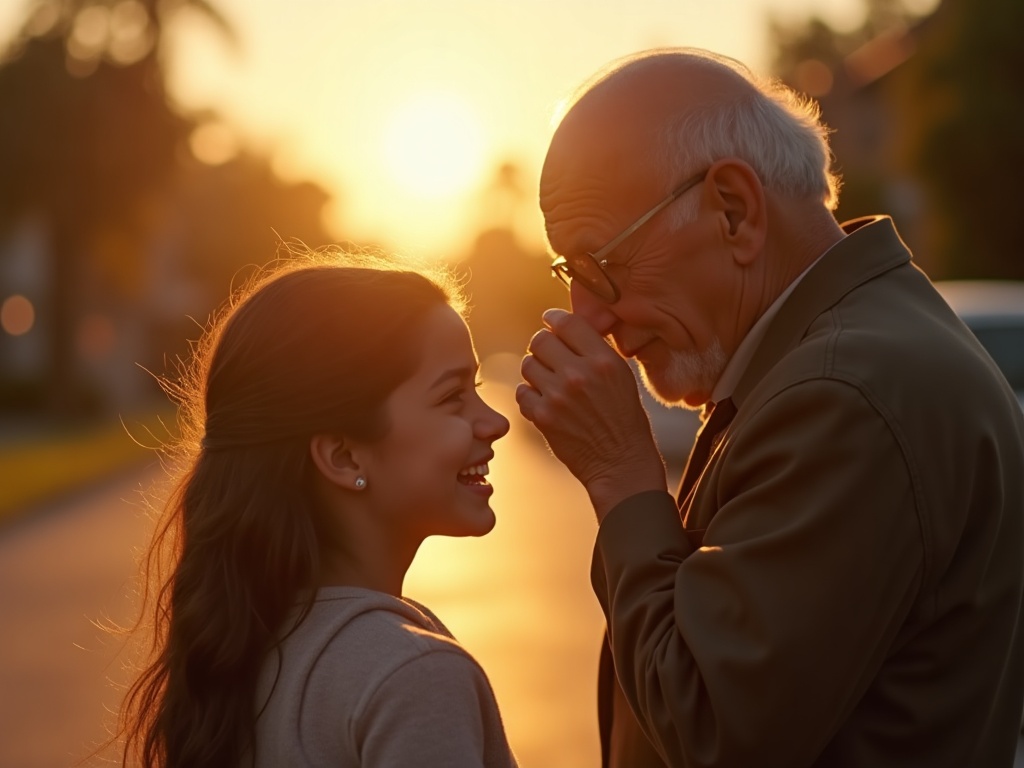
After — cast-lock recipe ~85–90%
Tested verdict — honest, not inflated
With the cast-lock recipe, ~85–90%. Name the cast, pass an explicit character_anchor URL (not "auto"), and restate the wardrobe in every scene prompt. The anchor holds the face, age, and key props; the prompt holds the clothes. The result is a coherent, intimate story with the same people throughout.
The DEFAULT auto-anchor FAILED — it aged a 7-year-old into a teenager and swapped the grandfather's identity entirely by the final frame. Never ship an emotional narrative on the auto-anchor alone; that's the default failure mode, not an edge case.
For a 95% hero series, train a per-character /lora and apply it to every scene. The anchor recipe is the fast ~85–90% path; the LoRA is the gold standard.
Pipeline trace — the cap chain this reel ran
character_anchor: <url> (real URL, NOT "auto")
restate wardrobe EVERY scene — "the SAME grandfather in the grey polo", "the SAME girl in the grey shirt"
Wave 1 — scene keyframes 5 ×
generate_project image=flux-dev, aspect=9:16, named cast + anchor → 5/5 done, identity held
Wave 2 — finishing (per playbook)
ltx-q-i2v / seedance-i2v slow gentle motion → chatterbox-tts warm narrator
minimax-music "warm ambient piano, slow" → ffmpeg-burn-subtitles
ffmpeg-concat + ffmpeg-audio-mix + ffmpeg-export 9:16
Reproduce this — the playbook is open
Built from the emotional-microstory playbook — point it at any small human moment ("the last voicemail she never deleted", "the dad who learned to braid hair") and it writes setup → turn → payoff, then renders one warm intimate scene per beat. Do Step 0 — lock your cast — first, every time.