HOW A BLACK HOLE FORMS explained in 90 seconds
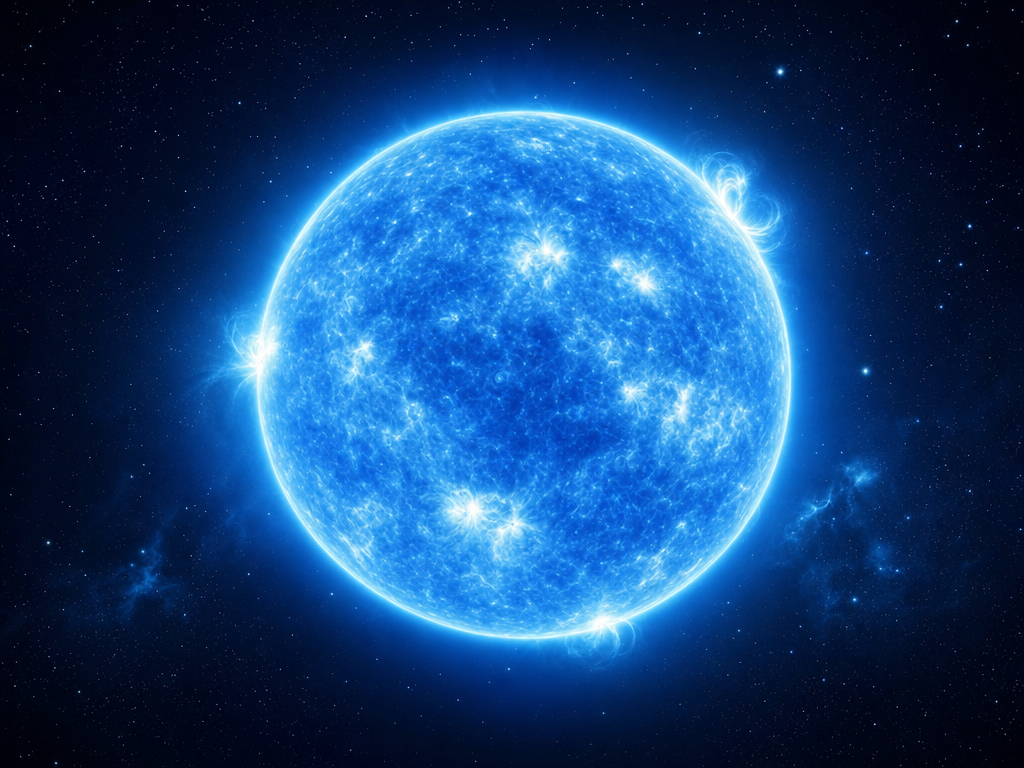
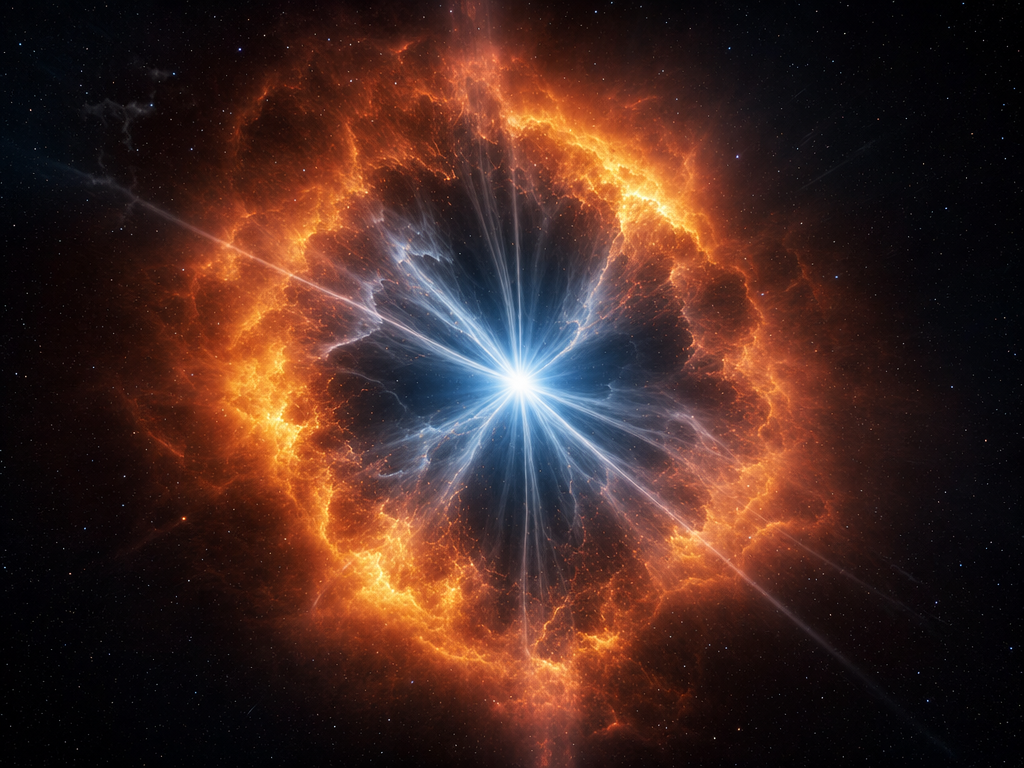
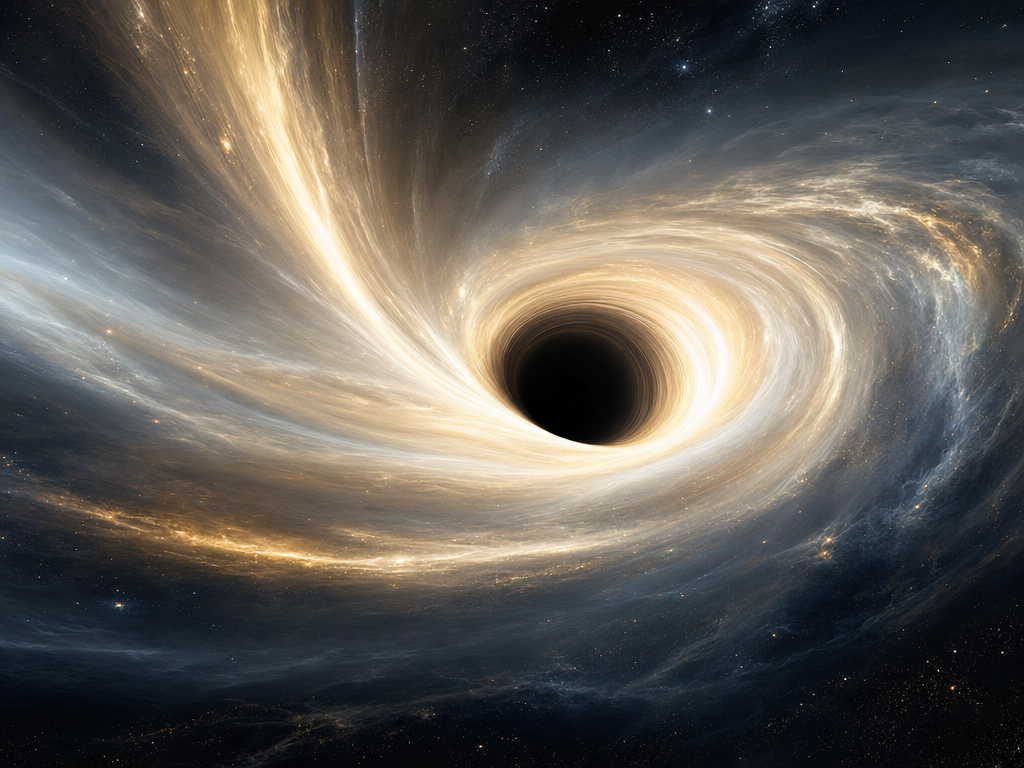
From a dying star to a point of no return — the formation of a black hole, walked through in five clean, scientifically coherent beats: the star, the collapse, the event horizon, the accretion disk and jets, and the final spiral-in. Rendered on gpt-image.
Finished reel — the stitched short
All 5 scenes · 50s · animated on seedance-i2v, clear inworld-tts narration over a looped, ducked explainer score — full-length audio, no silent tail.
The 5 beats — one clean step per beat, rendered on gpt-image
Each beat is a native 9:16 still from gpt-image: question hook → the mechanism, step by step → payoff. Step labels and number badges go on in post via hyperframes-caption, never baked into the image.


Tested verdict — honest, not inflated
Clean and scientifically coherent. The five beats walk the mechanism logically — collapse to horizon to disk to spiral-in — and the black hole stays consistent across every frame, which is exactly what a how-it-works reel needs.
gpt-image was slow and timed out on the 5-scene run (client-side), but the images landed on fal — all five frames are real renders. Budget extra wall-clock time for gpt-image, or use ideogram-v4 / recraft-v4 when in-image labels matter and speed counts.
As an educational visual it's strong; pair it with a clear, fact-checked narration script for the explanatory rigor.
Pipeline trace — the cap chain this reel ran
generate_project image=gpt-image, aspect=9:16, consistent-object prompts → 5/5 landed (slow; timed out client-side but rendered)
Wave 2 — finishing (per playbook) (optional)
ltx-q-i2v simple animated step (rotation / inflow)
chatterbox-tts friendly clear narrator → minimax-music "light upbeat, curious"
hyperframes-caption step labels / number badges → ffmpeg-burn-subtitles
ffmpeg-concat + ffmpeg-audio-mix + ffmpeg-export 9:16
Reproduce this — the playbook is open
Built from the knowledge-explainer playbook — point it at anything mechanical or conceptual ("how a microwave heats food", "how RSA works", "how a hurricane forms") and it writes the question hook, the analogy, the step walkthrough, and the payoff, then renders one clean diagram-grade scene per beat.