THE FALL OF CONSTANTINOPLE 1453, in 50 seconds
The last day of the Eastern Roman Empire, told as a cinematic documentary short — the great Theodosian walls, the giant Ottoman cannon, ships hauled overland, the breach, and the silence inside Hagia Sophia. Five atmospheric beats, rendered on flux-dev.
Finished reel — the stitched short
All 5 scenes · 50s · authoritative inworld-tts narration over a looped, ducked documentary score — full-length audio, no silent tail.
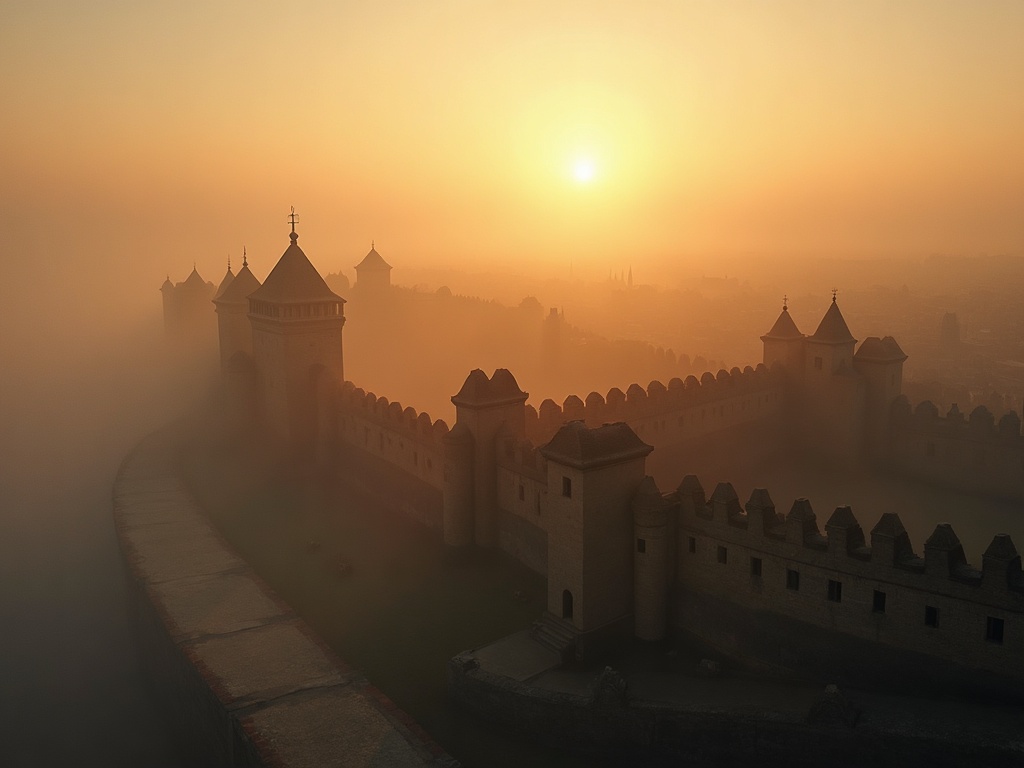
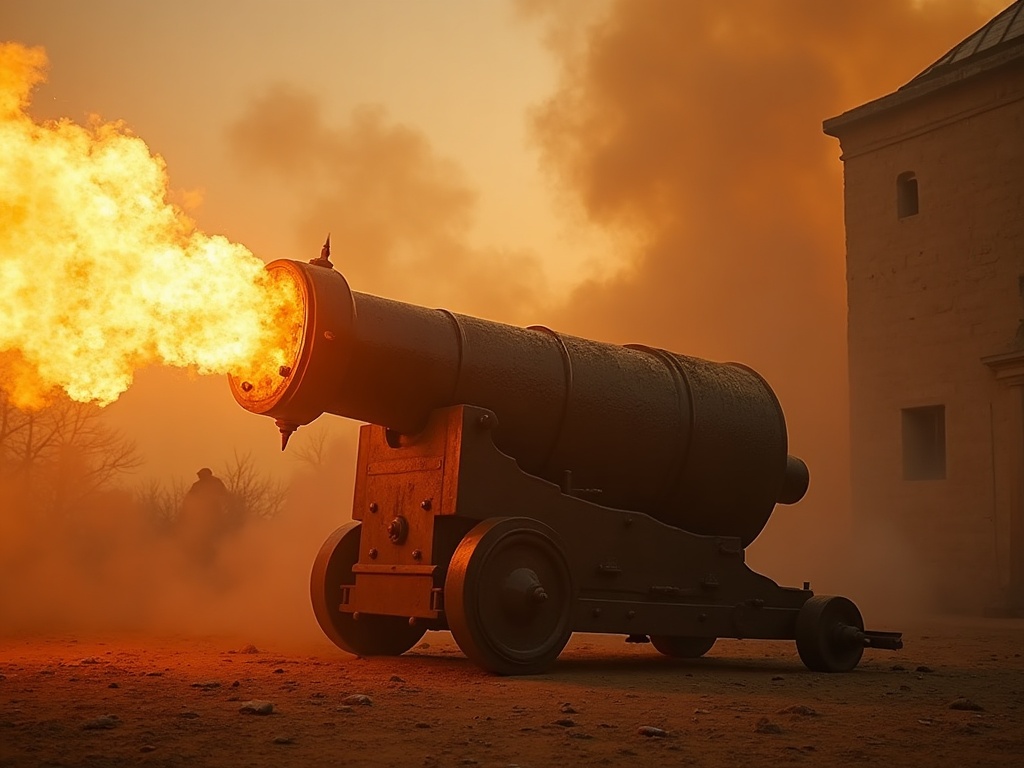
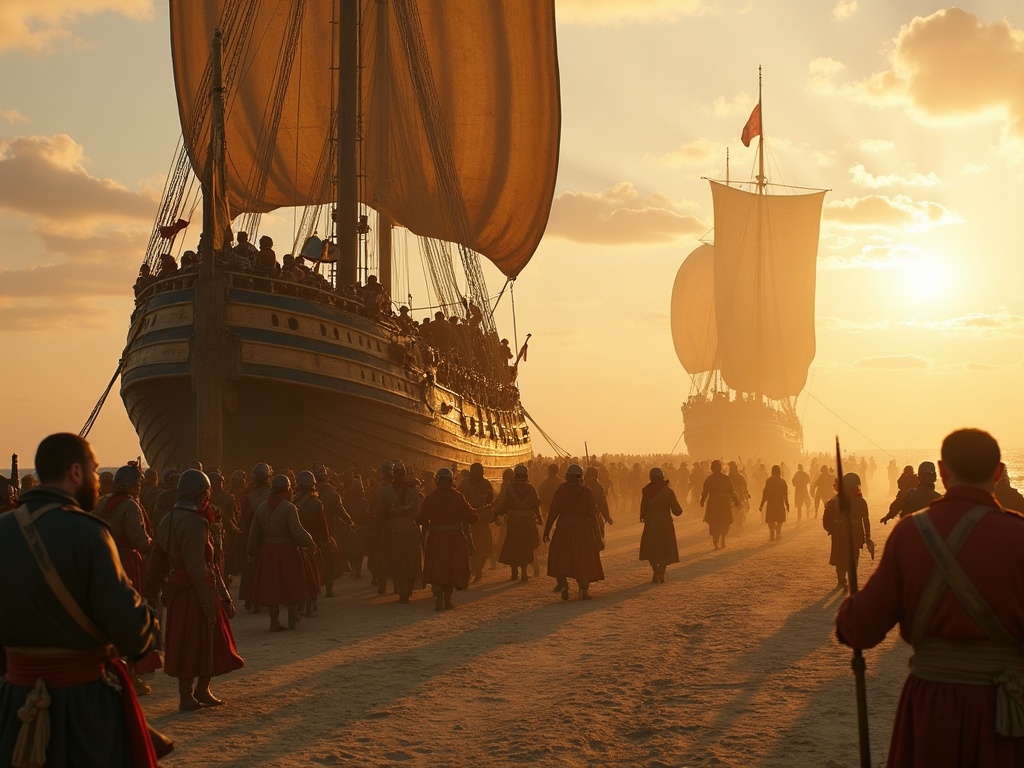
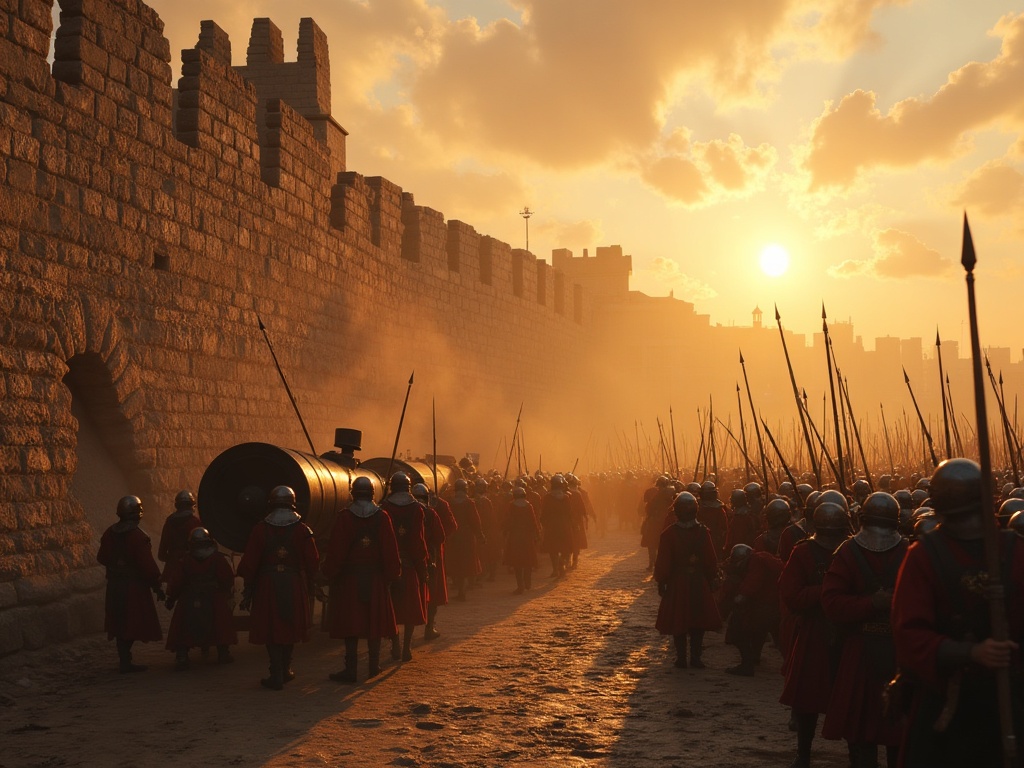
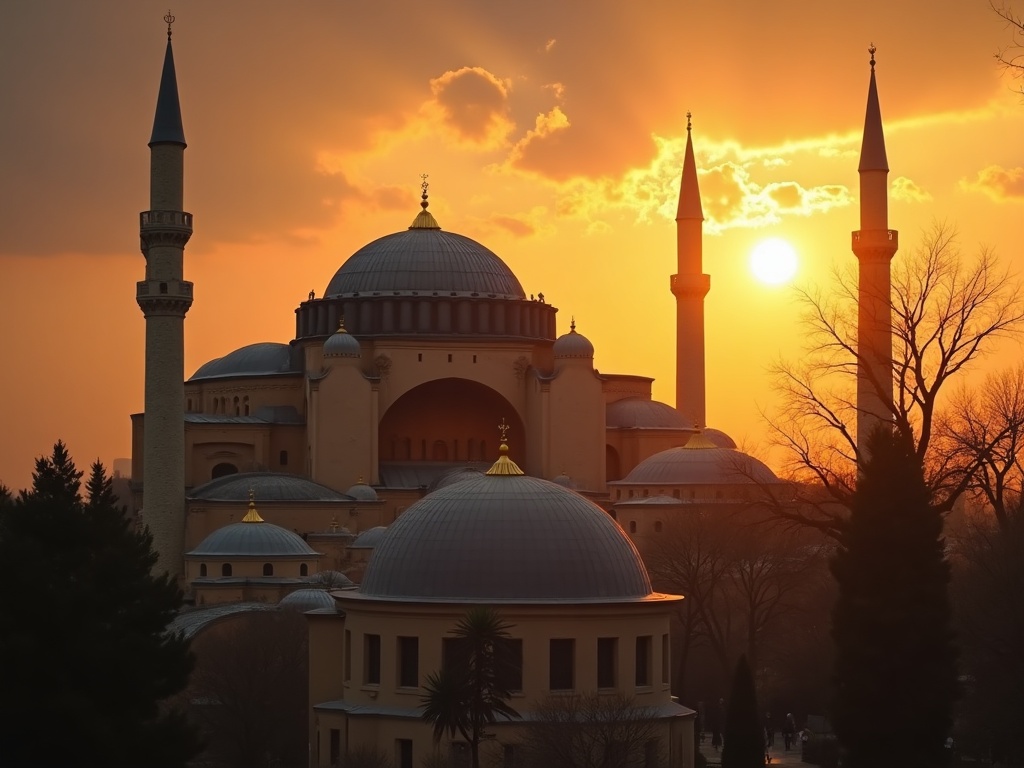
Keyframes / storyboard — the siege as five cinematic moments
Each beat is a native 9:16 cinematic still from flux-dev: hook → context → key moments → significance. Per the playbook, date/place chyrons ("Constantinople · 1453") get added in post via hyperframes-lower-third, not baked into the image.
Tested verdict — honest, not inflated
Cinematic and atmospheric. flux-dev delivered five striking, mood-rich beats fast — the scale of the walls, the smoke, the dome all land emotionally. As a documentary feel, it's strong out of the box.
Accuracy is EVOCATIVE, not archaeologically precise. The imagery conveys the moment but does not depict verified 15th-century arms, armor, architecture, or geography. Verify all facts and dates against real sources before publishing — and pair the visuals with a fact-checked narration script.
This is the right ceiling for the format: a documentary that makes history felt, with the rigor living in the script, not the pixels.
Pipeline trace — the cap chain this reel ran
generate_project image=flux-dev, aspect=9:16, period-accurate prompts → 5/5 done
Wave 2 — finishing (per playbook) (optional)
ltx-q-i2v slow cinematic push on key scenes
chatterbox-tts authoritative narrator → minimax-music "epic documentary orchestral, solemn"
hyperframes-lower-third date/place chyrons → ffmpeg-burn-subtitles
ffmpeg-concat + ffmpeg-audio-mix + ffmpeg-export 9:16
Reproduce this — the playbook is open
Built from the history-explainer playbook — point it at any historical event, figure, or turning point and it writes the date-fact hook, the context, the key moments, and the takeaway, then renders one period-accurate cinematic scene per beat. Keep the rigor in the fact-checked script.