Anime panels with a critic in the loop
A six-page graphic novel featuring a human apprentice and a kitsune fox spirit — and the case study where the drift gate's honesty matters more than the artifacts.
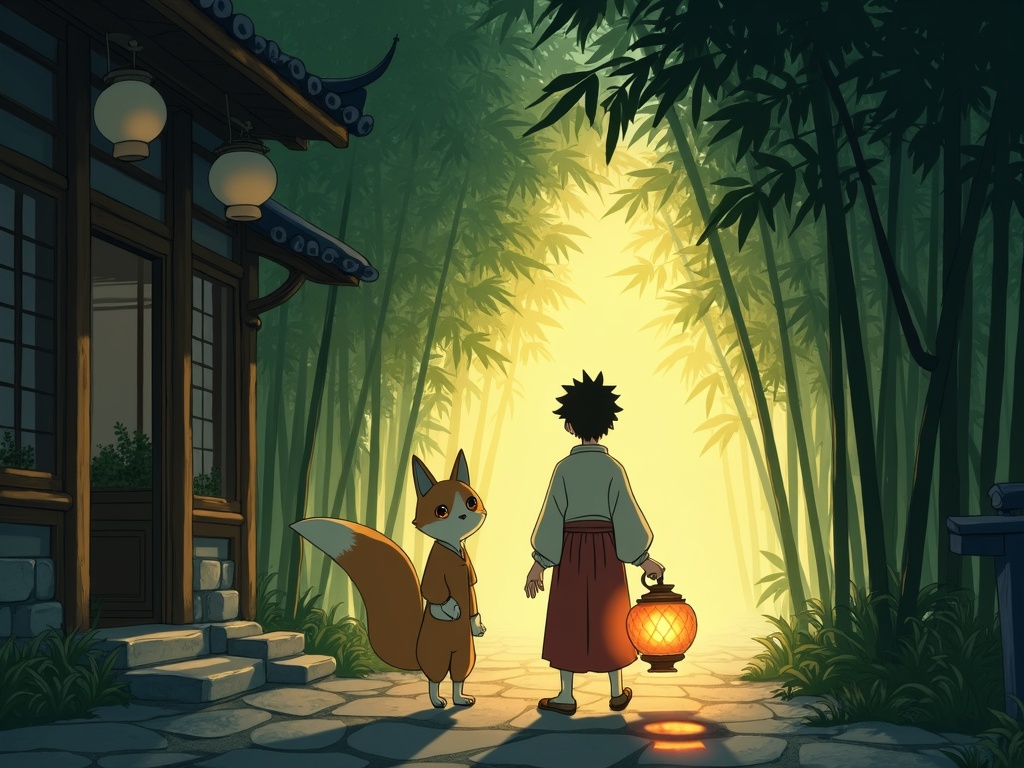
A young apprentice lantern-maker named Kai meets a nine-tailed kitsune fox spirit named Suzume. Six pages, two recurring characters, one consistent visual style. This brief is harder than the live-action film — anime cel-shaded panels with named distinguishing marks (Kai's blue kimono with white crane embroidery, Suzume's nine tails and amber eyes) are exactly what diffusion models drift on the hardest.
The flow
Same one-call surface as the cinematic short: generate_project with six scenes, character_anchor: "auto", anime-style prompts. The server fanned out, the drift gate ran on every page.
The six pages
Viewer URL: storyboard.daydream.monster/v/proj_979196233b01

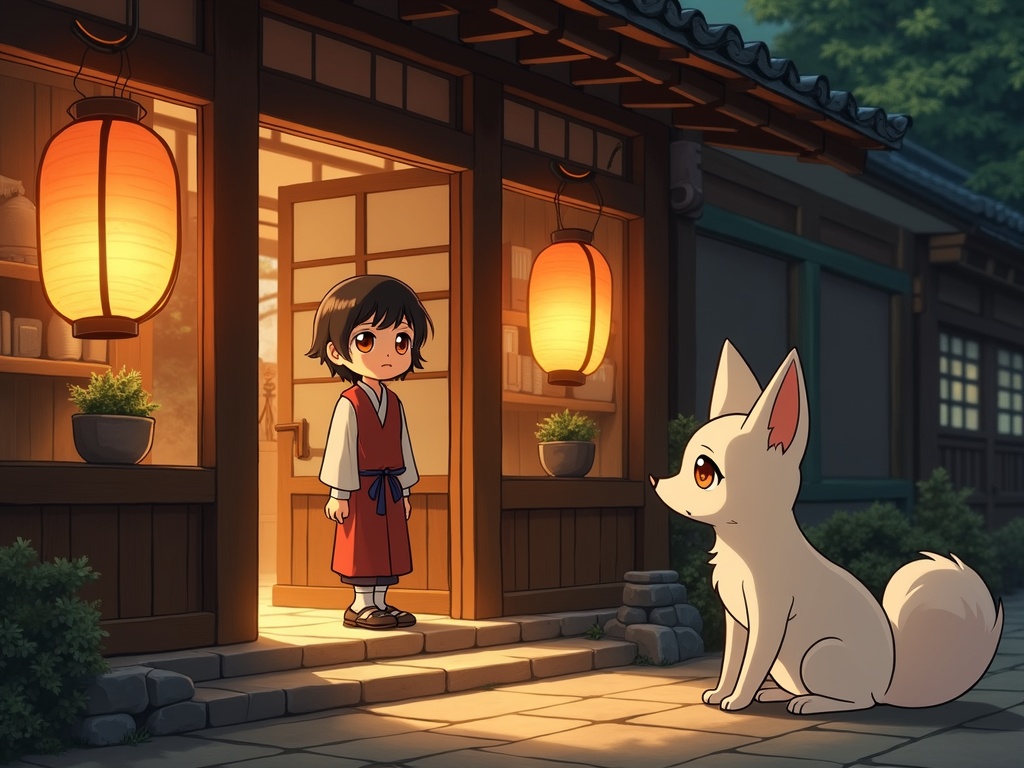
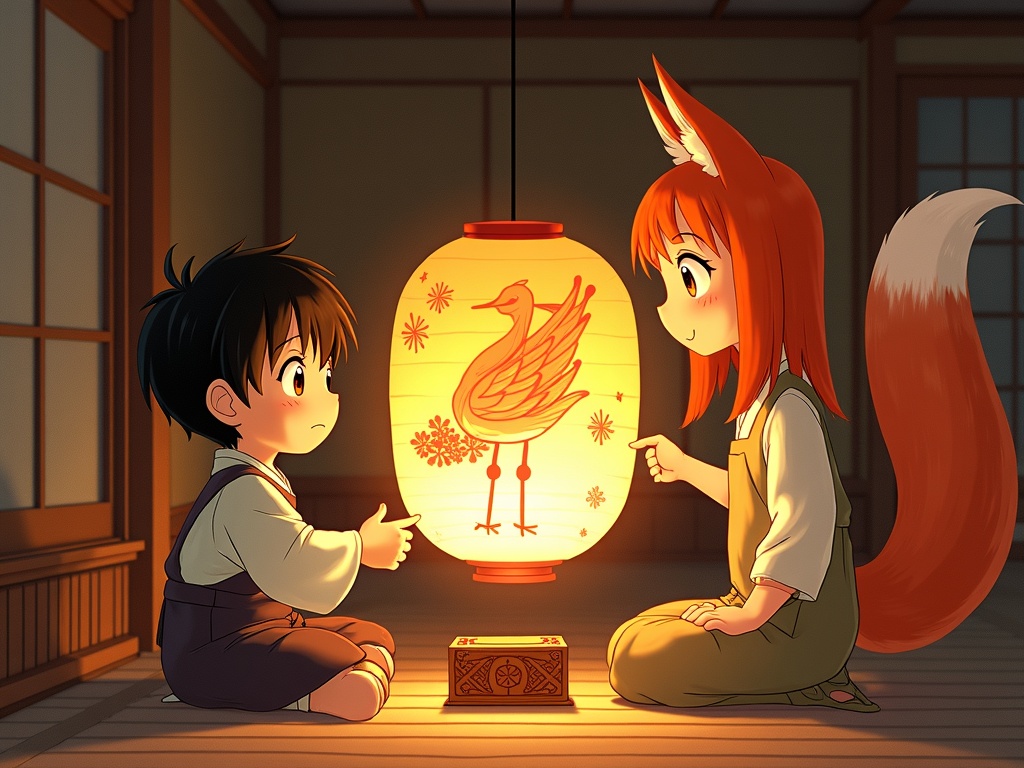
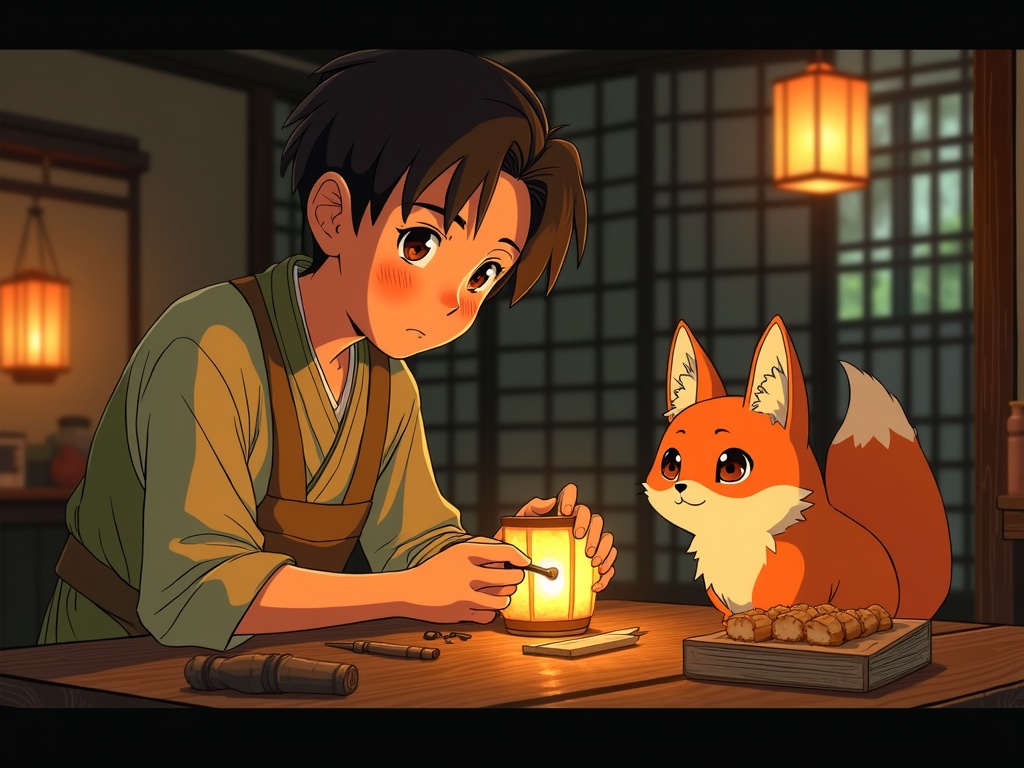
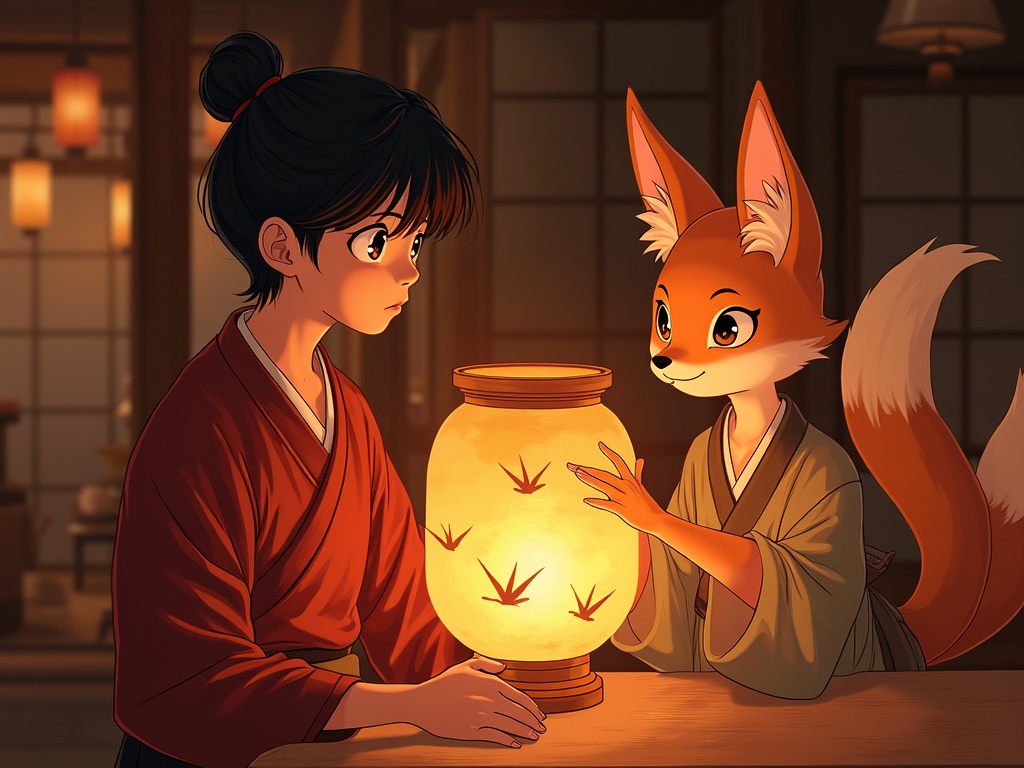
From still pages to motion comic
Page 5 — the apprentice lighting the spirit lantern — is the emotional pivot of the spread. Animating it gives the page a webtoon-style motion-comic beat: the lantern flares, ember sparks drift, Suzume's tails sway. One create_media action=animate model_override=seedance-i2v call, 5 seconds, 1 retry (the first run hit a transient worker abort and was retried; second attempt succeeded). Cost: ~$0.30.
Motion comic — Lantern Apprentice page 5, seedance-i2v, 5s, seed 2037346203 (after 1 retry).
Where the drift gate told the truth
The drift gate's final average — 0.27 — is honest about what happened. The kitsune was the hardest part: a multi-tailed fox spirit with a specific palette is exactly the kind of subject diffusion models hallucinate around. The gate logged it explicitly:
"The fox character in the scene is entirely different from Suzume in the anchor image, appearing as a different species or color." — drift_check, score 0.08
"The fox character, Suzume, is a completely different color and lacks her distinguishing multiple tails, while both characters appear different." — drift_check, score 0.14
Pages 1, 4, and 6 (where Suzume is partially obscured or off-frame) scored well. Pages 2, 3, and 5 (where Suzume is the focus) scored badly. The system kept retrying within its 5-retry budget but couldn't pull the score above 0.70 — and instead of pretending it had, it surfaced the score in the response payload for the agent to act on.
What the creator does next
For a 6-page comic where Suzume must look the same in every panel, the published anchor-and-retry pipeline is the wrong tool. The right tool — and the one the Z4 design accounts for — is a per-character LoRA trained from a curated set of Suzume reference images. The MCP already has the substrate:
submit_lora_traintakes a ZIP of training images and returns aweights_url+ trigger word.create_mediatakes alorafield with thatweights_urland bakes the character into every generation.- The drift gate in the run above captured three "stable enough" scenes into a
lora_training_readybucket — the start of an auto-LoRA pipeline.
This case study deliberately shows the workflow's failure mode and the upgrade path. A vendor that only ever publishes its happy-path demos is hiding where the workflow actually breaks. The Storyboard MCP surfaces the drift score in the response so the creator's agent can decide — ship, retry, or escalate to LoRA training.
How this compares for indie comic workflows
| Capability | Storyboard MCP | Midjourney Niji | NovelAI | Krea / Recraft |
|---|---|---|---|---|
| Character anchor across multiple panels | Partial — anchor sheet + drift gate; LoRA path exists, auto-train pending | Manual --cref per shot | Character locks via tags | References per shot |
| Honest drift reporting | ✓ Per-shot 0–1 score + sub-scores + reasons | None | Tag-coverage estimate only | None |
| Multi-panel batch with parallel render | ✓ One generate_project call | Discord one-at-a-time | API queue | UI per-shot |
| LoRA training accessible to agents | ✓ submit_lora_train MCP tool | No | Yes (own training UI) | No |
| Public shareable viewer page | ✓ Auto-published | Discord-only | NovelAI gallery | UI export |
| Cost for 6-page anime spread | ~$0.30 | ~$0.55 (Standard) | ~$0.40 (Anlas) | ~$0.70 |
The agent's takeaway
For a 6-page spread of recurring named characters with distinguishing marks, the right pipeline is:
- First pass with
generate_project+character_anchor: "auto". Cheap, fast, gives you the layout. - Read the
consistency_logdrift scores. Identify the characters that scored below 0.70 — those need LoRA. - Use the
lora_training_readybucket's captured URLs as the starter dataset. Top up with manual reference images if needed. - Submit
submit_lora_train. Wait 5–15 minutes. - Re-run
generate_projectwith the LoRA attached. The drift scores climb back into the 0.85+ range.
This is the workflow honest indie creators want — the system grades, surfaces, suggests, then lets them upgrade tools as the brief gets harder. No magic, no oversell.
Run a comic spread yourself
Submit your own pages: mcp__storyboard__generate_project with character_anchor: "auto" + a style like "anime cel-shaded panel illustration, Studio Ghibli warmth". Read the drift scores. Decide whether you need LoRA.